Introduction: A New Arena of Competition
Esports has transformed from a niche pastime into a global cultural force that rivals traditional sports in scale, passion, and influence. What once involved small groups of players competing in local venues has evolved into packed arenas, millions of online viewers, and professional athletes whose careers are defined by digital mastery. Esports is not merely about playing games; it is about strategy, teamwork, discipline, and performance under pressure. This blog explores the journey, structure, impact, and future of esports, revealing why it has become one of the most compelling phenomena of the modern era.
The Origins of Competitive Gaming
Competitive gaming did not emerge overnight. Its roots can be traced back to early arcade competitions where players chased high scores and local recognition. As home consoles and personal computers became widespread, competition moved into living rooms and online spaces. Multiplayer games introduced the idea of ranked play, ladders, and organized tournaments. These early systems laid the foundation for what would later become professional esports leagues.
The turning point came with improved internet infrastructure and live broadcasting technology. Players from different regions could compete in real time, and spectators could watch matches as they happened. This shift transformed gaming from a solitary or local activity into a shared global experience. The sense of community and rivalry grew rapidly, setting the stage for esports to become a legitimate competitive field.
What Defines Esports Today
Esports refers to organized, competitive video gaming where individuals or teams compete under standardized rules for rankings, prizes, and prestige. Unlike casual gaming, esports emphasizes consistent performance, structured training, and professional oversight. Players specialize in specific games, mastering mechanics, strategies, and team coordination at an elite level.
Modern esports features leagues, seasonal tournaments, coaching staff, analysts, and support teams. Matches are often played on patches or versions that ensure competitive balance. Just like traditional sports, esports has referees, regulations, and disciplinary systems to maintain fairness and integrity. This professional framework is what separates esports from everyday gaming.
Popular Esports Genres and Games
Esports spans a wide range of game genres, each offering a unique competitive experience. Multiplayer online battle arena games focus on teamwork, map control, and tactical decision making. First person shooters emphasize precision, reaction time, and coordination. Real time strategy games reward planning, adaptability, and long term vision. Sports simulation games replicate real world athletics in a digital format, blending familiarity with competitive depth.
The diversity of genres allows esports to appeal to different audiences and skill sets. Some players thrive in fast paced, high intensity environments, while others excel in slower, more strategic contests. This variety has helped esports grow beyond a single identity and become a broad competitive ecosystem.
The Life of a Professional Esports Player
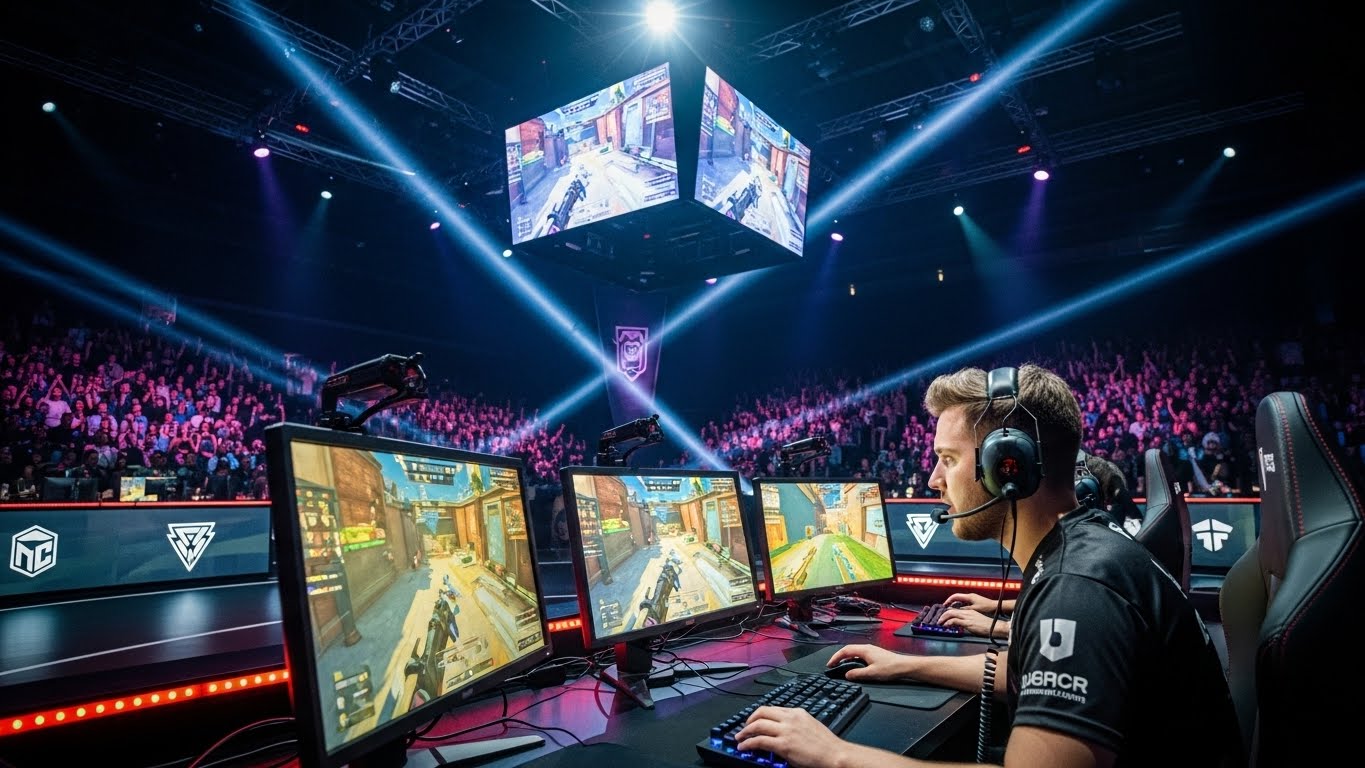
Becoming a professional esports player requires far more than raw talent. Most players begin at a young age, spending years refining their skills and climbing competitive rankings. Daily routines often include long practice sessions, strategy discussions, physical exercise, and mental conditioning. Contrary to stereotypes, many professional players follow strict schedules designed to maximize performance and longevity.
Team based esports demand strong communication and trust. Players must understand their roles and adapt to teammates’ strengths and weaknesses. Coaches and analysts play a crucial role by reviewing gameplay, developing strategies, and preparing teams for opponents. At the highest level, small decisions can determine the outcome of an entire season.
Esports as Entertainment
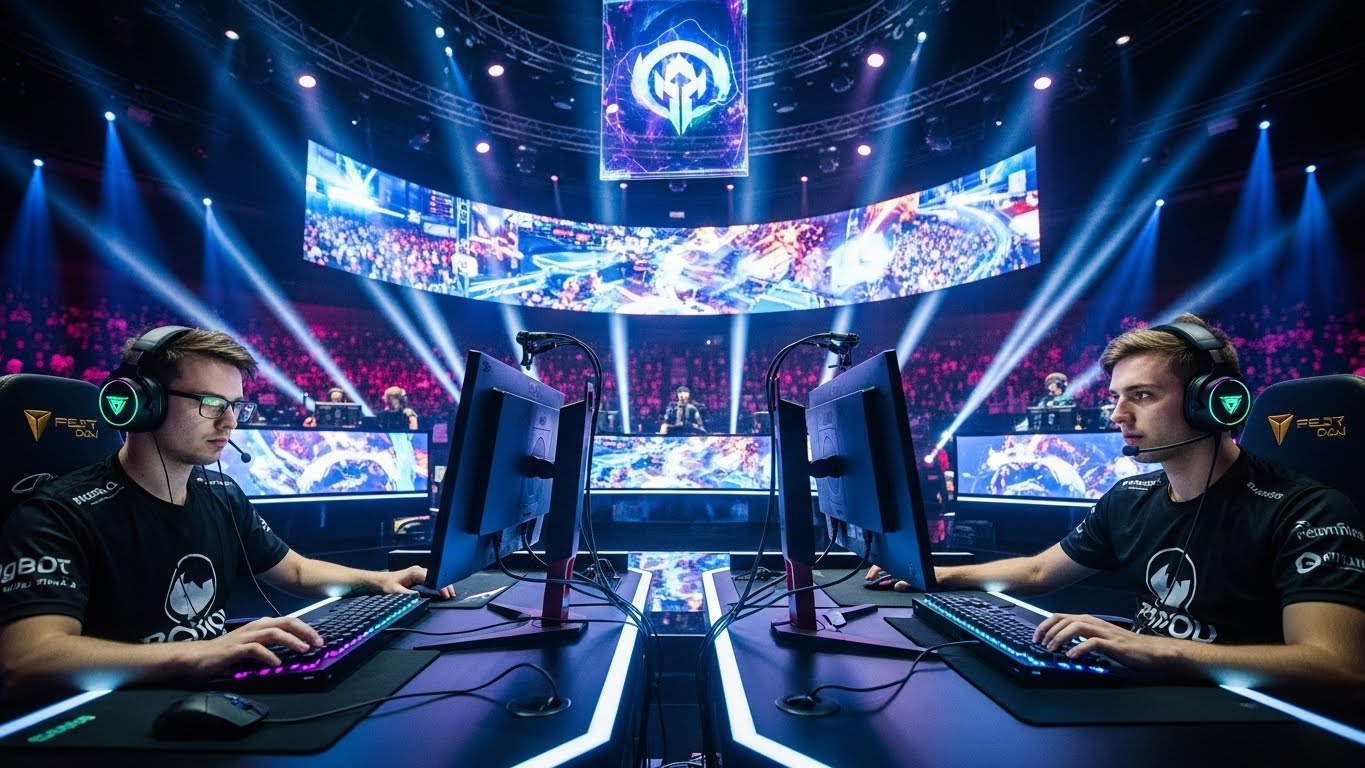
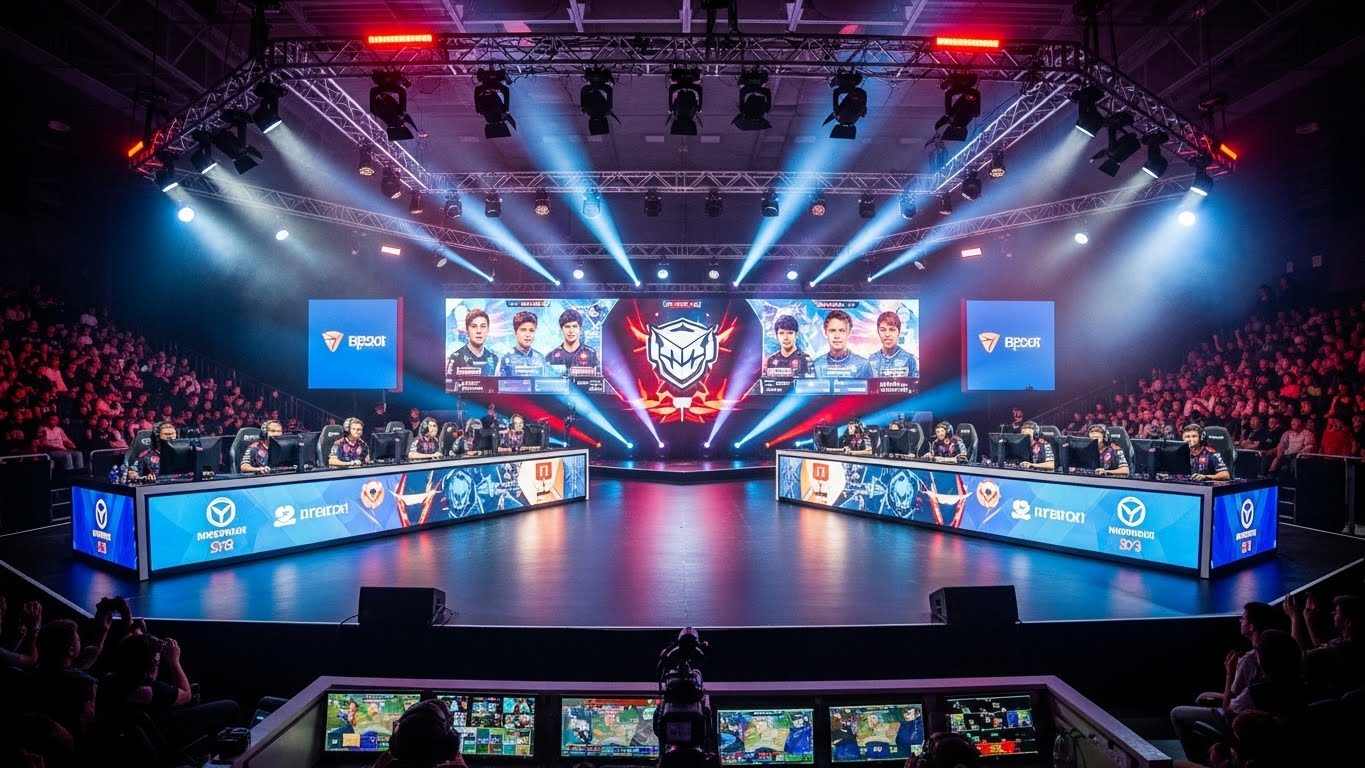
One of the key drivers of esports growth is its value as entertainment. Spectators are drawn to the drama of close matches, the personalities of star players, and the evolving narratives of rivalries and championships. Live events combine competition with production elements such as commentary, visual effects, and crowd interaction, creating an immersive experience.
Online broadcasts allow fans to engage through chat, predictions, and social interaction. This level of participation makes esports feel interactive and community driven. Viewers are not just watching; they are part of a shared moment that unfolds in real time. This connection has helped esports build loyal fan bases around the world.
Economic Impact and Career Opportunities
Esports has grown into a significant economic sector. Revenue streams include sponsorships, advertising, merchandise, ticket sales, and media rights. Teams and organizations operate as businesses, managing branding, partnerships, and long term growth. Major tournaments offer substantial prize pools, attracting talent from across the globe.
Beyond playing, esports creates a wide range of career opportunities. Roles include coaching, event management, production, marketing, journalism, and software development. Educational institutions have begun offering programs related to esports management and game design. This expanding ecosystem shows that esports is not just a trend but a sustainable industry.
Cultural Influence and Global Reach
Esports transcends geographical and cultural boundaries. Players and fans from different countries compete and interact daily, sharing a common language of gameplay and competition. International tournaments showcase diverse styles and strategies, highlighting how culture can influence play.
This global nature has also shaped youth culture. Esports influences fashion, music, language, and online behavior. For many young people, esports athletes are role models who demonstrate dedication, resilience, and creativity. The visibility of esports on mainstream platforms has helped legitimize gaming as a meaningful pursuit.
Challenges Facing the Esports Industry
Despite its success, esports faces several challenges. Player burnout is a major concern, as intense schedules and high expectations can take a toll on mental and physical health. Organizations are increasingly aware of the need for wellness programs and balanced lifestyles.
Another challenge is maintaining competitive integrity. Issues such as cheating, match fixing, and unfair practices can damage trust. Strong governance and transparent rules are essential to protect the credibility of esports. Additionally, the industry must address inclusivity, ensuring opportunities and safe environments for players of all backgrounds.
The Role of Technology in Esports Growth
Technology is at the heart of esports. Advances in hardware improve performance and consistency, while software updates shape gameplay and balance. Broadcasting tools enhance viewer experience through high quality visuals, replays, and data analysis.
Emerging technologies such as virtual reality and artificial intelligence may further transform esports. Training tools powered by data analysis can help players identify weaknesses and improve faster. As technology continues to evolve, esports will adapt and find new ways to innovate.
Esports and Traditional Sports: A Shared Future
Rather than competing with traditional sports, esports increasingly intersects with them. Many sports organizations have invested in esports teams or leagues, recognizing shared values such as competition, fandom, and entertainment. Athletes from traditional sports have shown interest in gaming, while esports players adopt training methods inspired by physical sports.
This convergence suggests a future where digital and physical competition coexist. Both forms of sport can learn from each other, blending tradition with innovation to reach broader audiences.
The Future of Esports
The future of esports appears promising and dynamic. As infrastructure improves and acceptance grows, esports is likely to reach even more mainstream audiences. Grassroots programs and amateur leagues will continue to feed talent into the professional scene. Increased regulation and standardization may provide stability and long term growth.
Esports will also continue to evolve creatively. New games, formats, and experiences will emerge, keeping the industry fresh and engaging. What remains constant is the human element: the drive to compete, improve, and connect through shared passion.
Conclusion: More Than a Game
Esports is more than competitive gaming; it is a reflection of how technology, culture, and human ambition intersect. It offers a new way to understand competition in a digital age, where skill and strategy matter as much as physical ability. As esports continues to grow, it challenges traditional ideas of sport and entertainment, proving that meaningful competition can thrive beyond the screen. Its story is still being written, and its impact will be felt for generations to come.