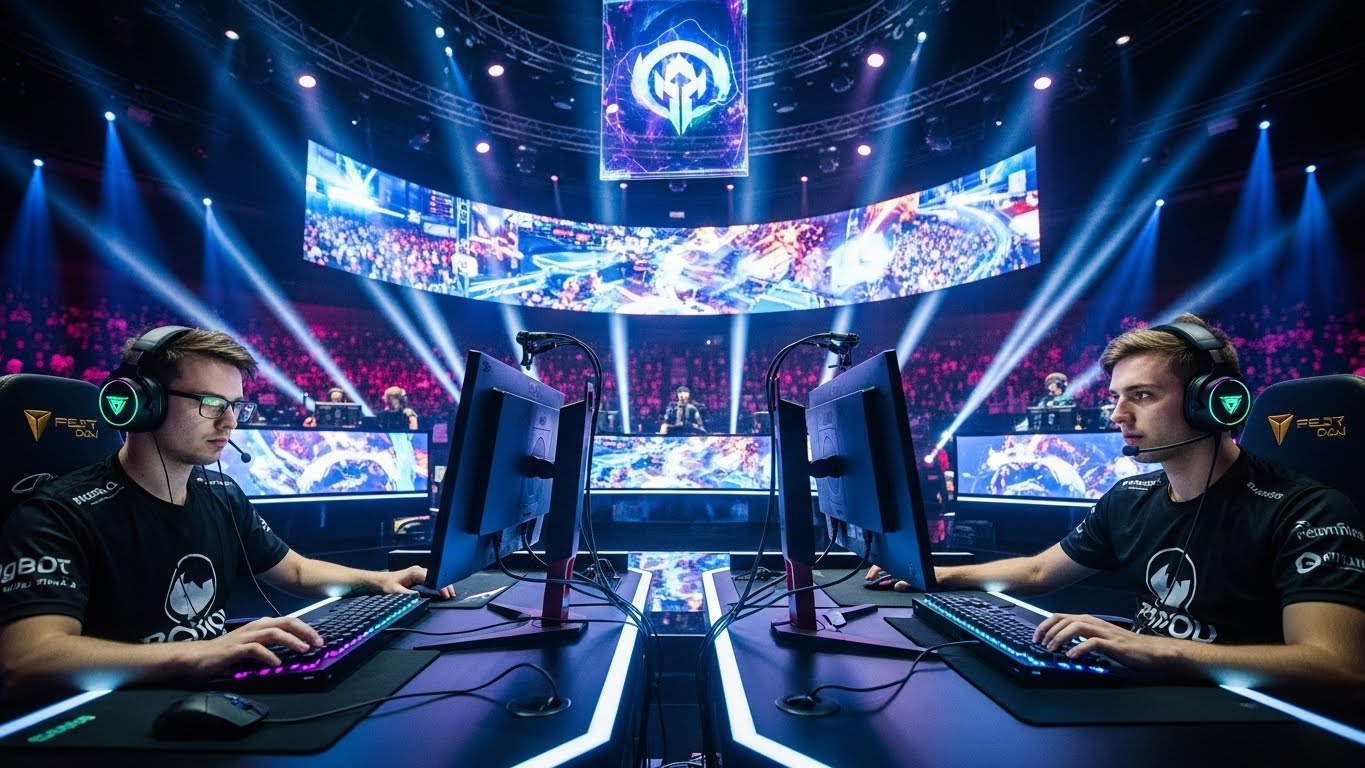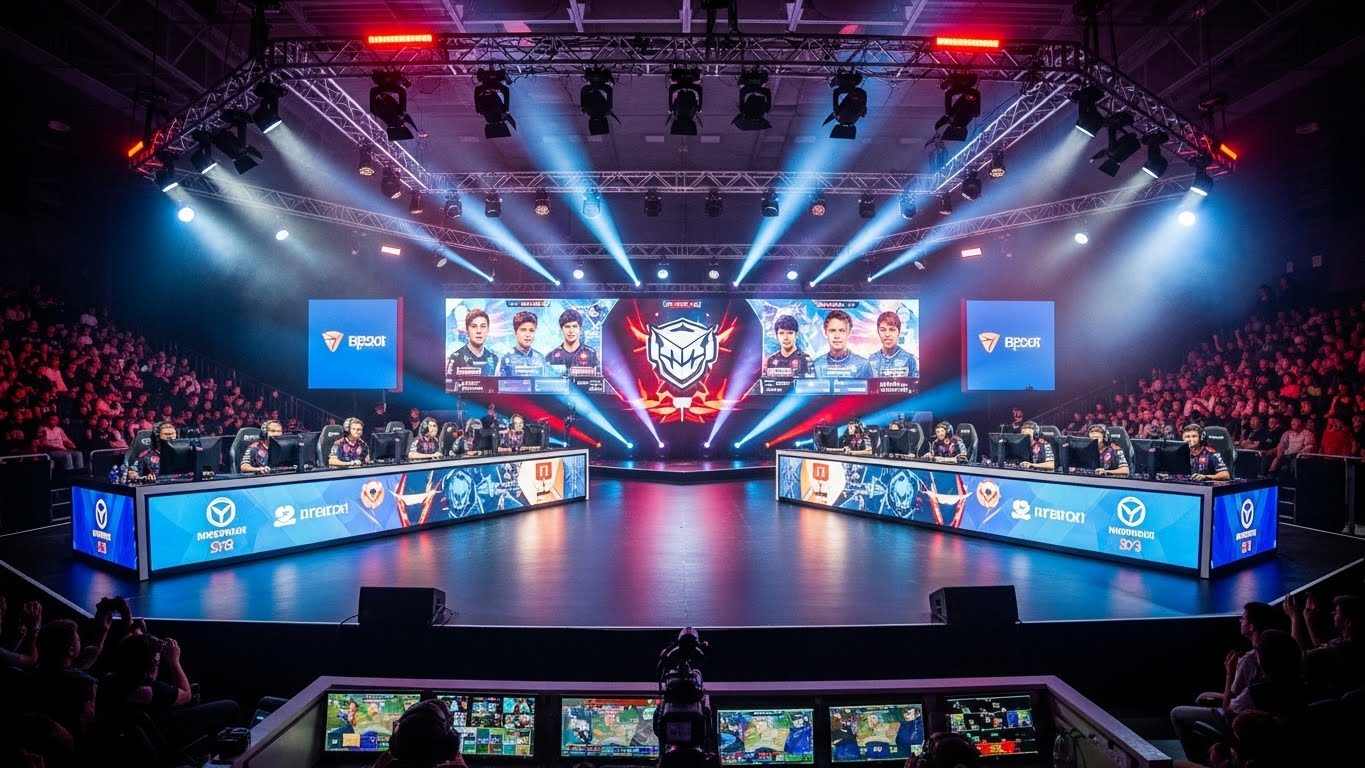
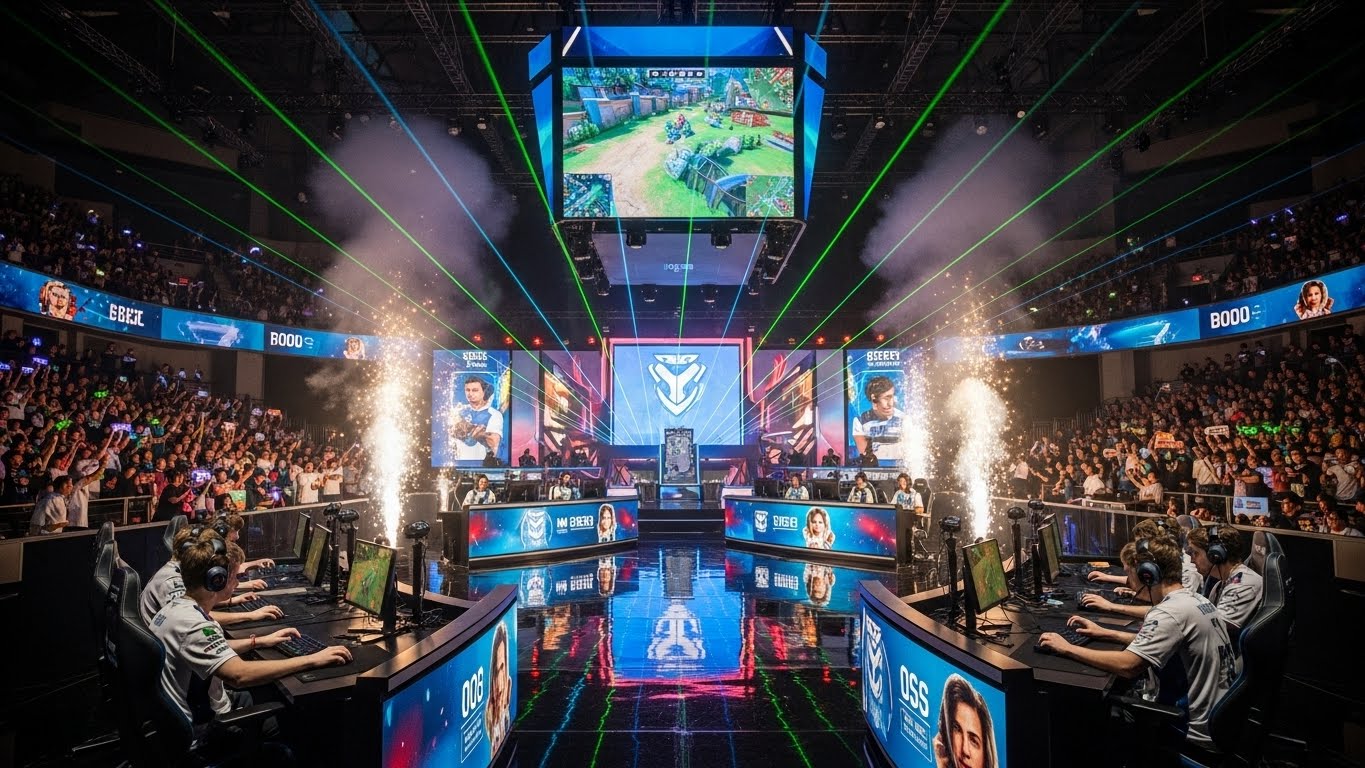
Esports has rapidly evolved from casual video game competitions into a global phenomenon that rivals traditional sports in popularity, scale, and influence. What was once seen as a niche hobby is now a professional industry with dedicated athletes, international tournaments, massive audiences, and cultural significance. Esports represents a new era of competition driven by technology, strategy, and community. This blog explores the origins of esports, its structure, social and economic impact, challenges, and the future of competitive gaming.
The Origins of Competitive Gaming
The roots of esports can be traced back to the early days of video gaming. In the late twentieth century, players competed for high scores in arcade games, often informally challenging friends and strangers. These early competitions were simple, but they planted the idea that video games could be more than solo entertainment.
As home computers and gaming consoles became more advanced, multiplayer games emerged, allowing players to compete directly against one another. Local area network gaming and early online play expanded competition beyond physical spaces. These developments transformed gaming into a shared, competitive experience and laid the foundation for organized esports.
The Transition from Casual Play to Professional Esports
The shift from casual gaming to professional esports occurred when competition became structured and skill-based. Players began dedicating hours each day to practice, mastering mechanics, strategies, and teamwork. Competitive games started rewarding precision, decision-making, and coordination rather than chance.
Teams were formed, tournaments were organized, and prize money was introduced. Coaching, analysis, and training routines became common. This professionalization changed public perception, proving that esports required discipline, commitment, and high-level performance similar to traditional sports.
Understanding the Esports Ecosystem
Esports operates within a complex and organized ecosystem. Competitive games are divided into genres such as multiplayer battle arenas, first-person shooters, real-time strategy games, and digital sports simulations. Each genre demands different skills, ranging from rapid reflexes to deep strategic thinking.
Professional teams consist of players with defined roles, coaches who guide strategy, analysts who study opponents, and support staff who manage health and logistics. Tournaments follow structured formats, including qualifiers, group stages, and championship matches. Rules, regulations, and fair play standards ensure consistency and integrity across competitions.
The Life of an Esports Athlete
Being an esports athlete requires more than gaming talent. Professional players maintain strict training schedules, often practicing for many hours each day. They study game mechanics, review match footage, and work closely with teammates to refine strategies.
Mental focus is critical, as competitive matches demand fast decision-making under pressure. Physical health is also important, with many teams encouraging exercise, proper posture, and rest to prevent injuries. The life of an esports athlete is demanding, competitive, and highly disciplined.
Mental Strength and Performance Pressure
Esports competition places significant mental pressure on players. Matches can be decided in seconds, and mistakes are often broadcast to millions of viewers. Players must manage stress, maintain confidence, and recover quickly from losses.
Mental resilience is developed through experience, coaching, and self-awareness. Many teams emphasize communication, emotional control, and mindset training. Success in esports depends not only on skill but also on the ability to stay calm, focused, and adaptable in high-stakes situations.
Technology as the Backbone of Esports
Technology is the foundation of esports. High-performance hardware, responsive controls, and stable internet connections are essential for fair competition. Game developers play a key role by maintaining balance, fixing exploits, and updating content to keep competition fresh.
Broadcasting technology has also fueled esports growth. High-quality visuals, professional commentary, and real-time analysis make esports accessible and engaging for spectators. Technology enables global participation, allowing players and fans to connect regardless of location.
Community and Fan Culture in Esports
Esports thrives on its community. Fans actively engage with teams, players, and events through discussions, watch parties, and creative expression. This interaction creates strong emotional connections and loyalty.
Unlike traditional sports, esports fans often communicate directly with players, creating a sense of accessibility and closeness. Fan culture includes shared language, inside jokes, and traditions unique to each game. This strong community identity is one of the defining features of esports.
Economic Growth and Industry Influence
The esports industry has become a significant economic force. Revenue comes from sponsorships, advertising, merchandise, tournament prizes, and media production. Brands invest heavily in esports to reach digitally native audiences.
Esports also creates jobs across multiple sectors, including event production, content creation, coaching, marketing, and software development. Large tournaments contribute to local economies by attracting visitors and generating employment. The financial growth of esports highlights its importance beyond entertainment.
Education and Skill Development Through Esports
Esports is increasingly recognized for its educational value. Schools and universities have begun offering esports programs that teach teamwork, leadership, communication, and strategic thinking. Competitive gaming encourages goal setting, discipline, and problem-solving.
Players develop transferable skills such as time management, adaptability, and collaboration. These abilities are valuable in academic and professional environments. Esports demonstrates that learning can occur in modern, engaging formats aligned with digital culture.
Ethical and Regulatory Challenges
Despite its growth, esports faces ethical challenges. Issues such as cheating, unfair play, and lack of standardized regulation can threaten competitive integrity. Different games and regions operate under varying rules, making consistency difficult.
Player welfare is another concern. Young players may experience burnout, unstable careers, or exploitation without proper support. Establishing ethical standards, fair contracts, and health protections is essential for the long-term sustainability of esports.
Diversity and Inclusion in Esports
Esports has the potential to be inclusive, as physical limitations are less restrictive than in traditional sports. However, challenges such as gender imbalance, online harassment, and underrepresentation remain.
Efforts to promote diversity are growing, with initiatives supporting women, marginalized communities, and new players. Inclusive environments strengthen esports by expanding participation, fostering innovation, and creating healthier communities.
The Global Nature of Esports
Esports is inherently global. Players from different countries compete together, and audiences span continents. International tournaments showcase diverse playstyles and cultural perspectives.
This global reach promotes cultural exchange and understanding. Esports creates shared experiences that transcend borders, language, and background. It represents a new form of global competition built on technology and shared passion.
The Future of Esports
The future of esports is filled with possibility. Advances in technology will continue to improve gameplay, broadcasting, and fan engagement. New games will emerge, while established titles evolve to maintain competitive balance.
Greater emphasis on mental health, ethics, and inclusivity will shape the industry’s direction. As esports becomes more integrated into mainstream culture, it will influence education, media, and digital communities worldwide.
Conclusion
Esports has transformed competitive gaming into a global movement that blends skill, technology, and community. It has created new careers, redefined competition, and connected people across the world. From humble beginnings to packed arenas and global audiences, esports reflects the changing nature of sports in the digital age.
While challenges remain, the growth of esports demonstrates its lasting potential. It is more than a trend or a game; it is a cultural force shaping how people compete, connect, and create. Esports stands as a symbol of modern competition, proving that digital arenas can produce real champions and meaningful experiences.