Introduction: Redefining Competition in the Digital Age
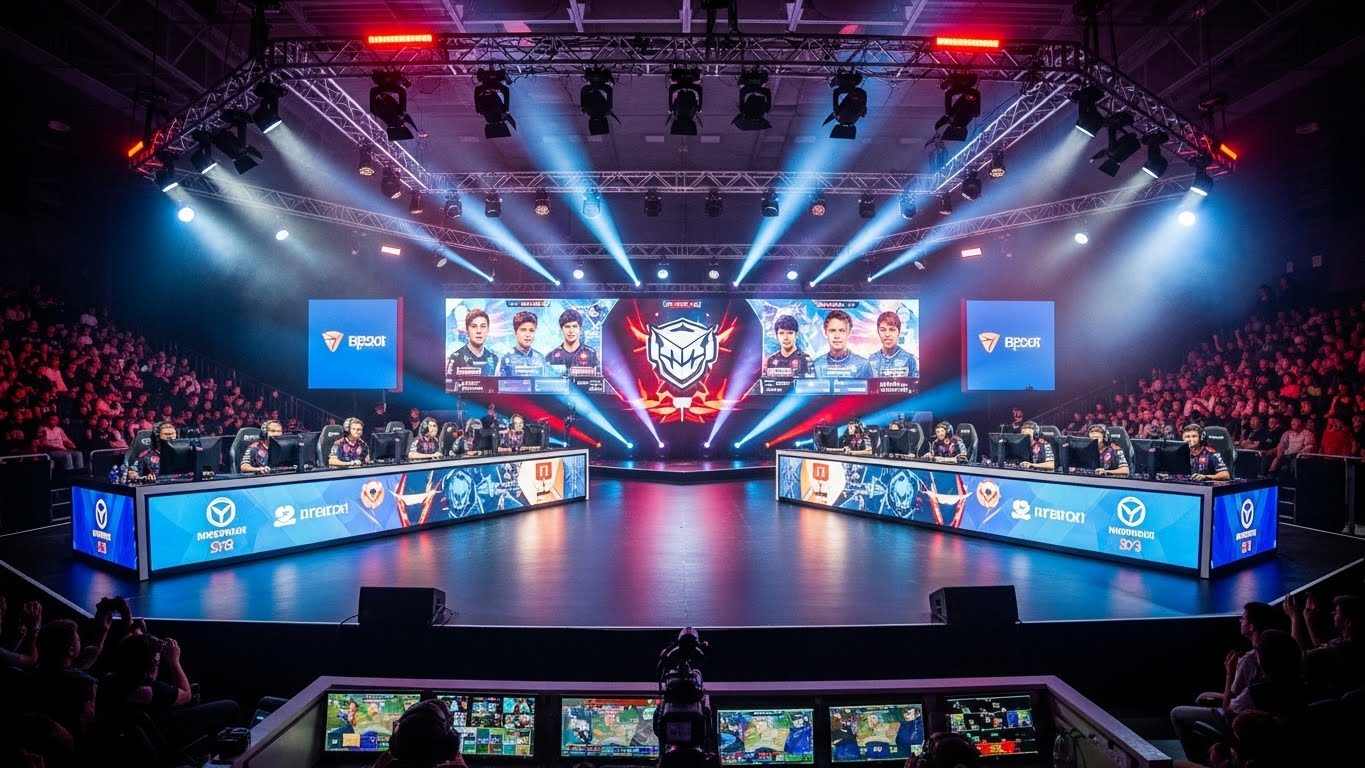
Esports has rapidly transformed the meaning of competition in the modern world. What was once considered a casual pastime has grown into a professional, global industry with millions of fans, elite players, and massive tournaments. Esports blends technology, strategy, entertainment, and community into a single dynamic ecosystem. Today, it stands alongside traditional sports in terms of viewership, influence, and economic impact. This blog explores the rise of esports, its structure, cultural significance, challenges, and future potential in a rapidly evolving digital era.
The Early Roots of Competitive Gaming
The foundations of esports were laid long before it gained mainstream attention. In the early days of video gaming, players competed for high scores in arcades and local gaming centers. These informal competitions created a sense of rivalry and achievement. As personal computers and gaming consoles became more accessible, multiplayer games allowed players to challenge each other from different locations. This shift from local competition to connected play marked the beginning of organized competitive gaming and planted the seeds for modern esports.
The Rise of Online Multiplayer Games
The true expansion of esports began with the growth of online multiplayer games. Fast internet connections enabled real-time competition between players across cities and countries. Games designed with balance, strategy, and skill progression attracted dedicated communities. Players began forming teams, practicing strategies, and competing in structured tournaments. These games emphasized not only mechanical skill but also teamwork, communication, and adaptability, qualities that would later define professional esports.
From Hobby to Professional Industry
Esports evolved from a hobby into a professional industry as tournaments grew in scale and popularity. Prize pools increased, sponsorships emerged, and organizations formed to manage teams and events. Professional esports teams now operate similarly to traditional sports clubs, employing coaches, analysts, managers, and support staff. This professional structure legitimized esports as a career option and attracted investments from major brands and media companies.
Life of a Professional Esports Player
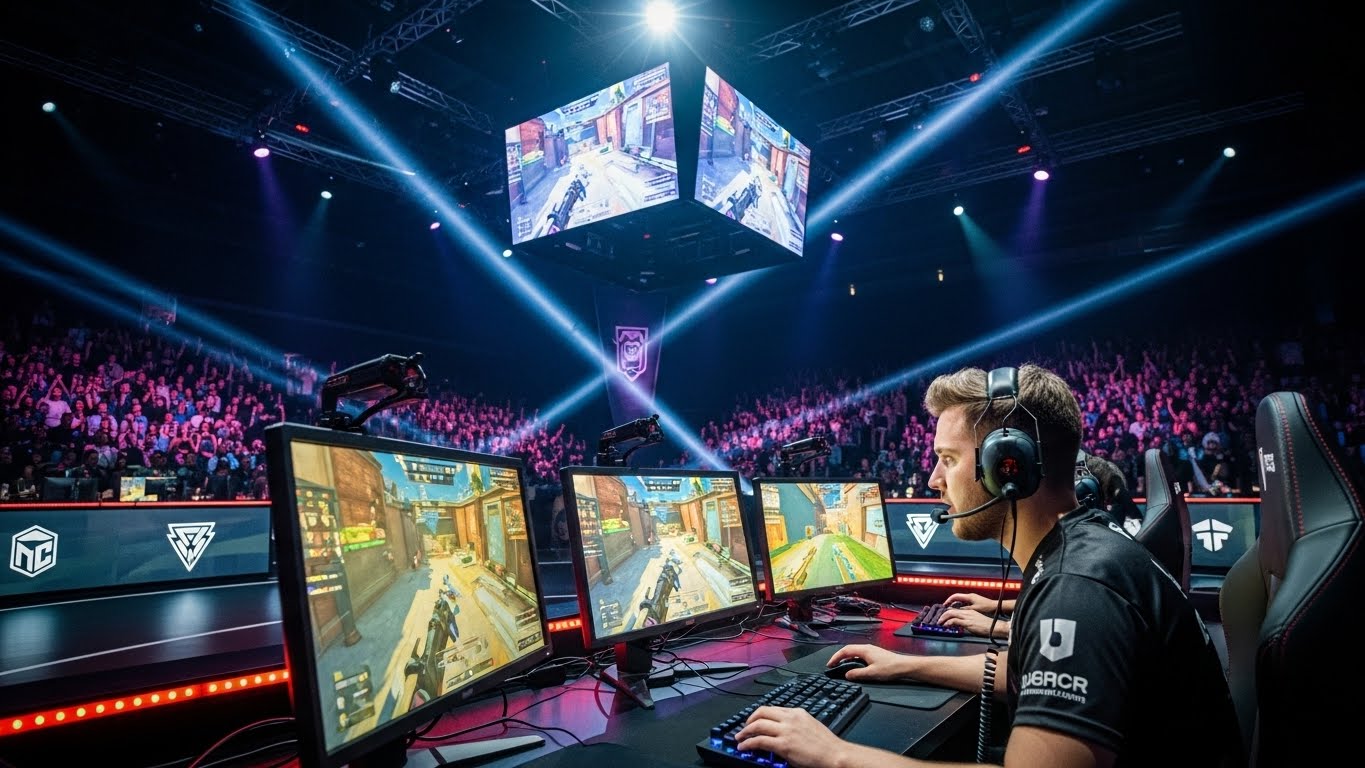
Professional esports players dedicate immense time and effort to their craft. Daily training sessions involve refining mechanics, studying opponents, and developing strategies. Mental preparation is just as important as physical readiness, as players must maintain focus under pressure and adapt quickly to changing situations. Many teams emphasize fitness, nutrition, and mental health to ensure long-term performance. The discipline required to succeed in esports mirrors that of traditional athletes, highlighting the seriousness of competitive gaming.
The Importance of Strategy and Teamwork
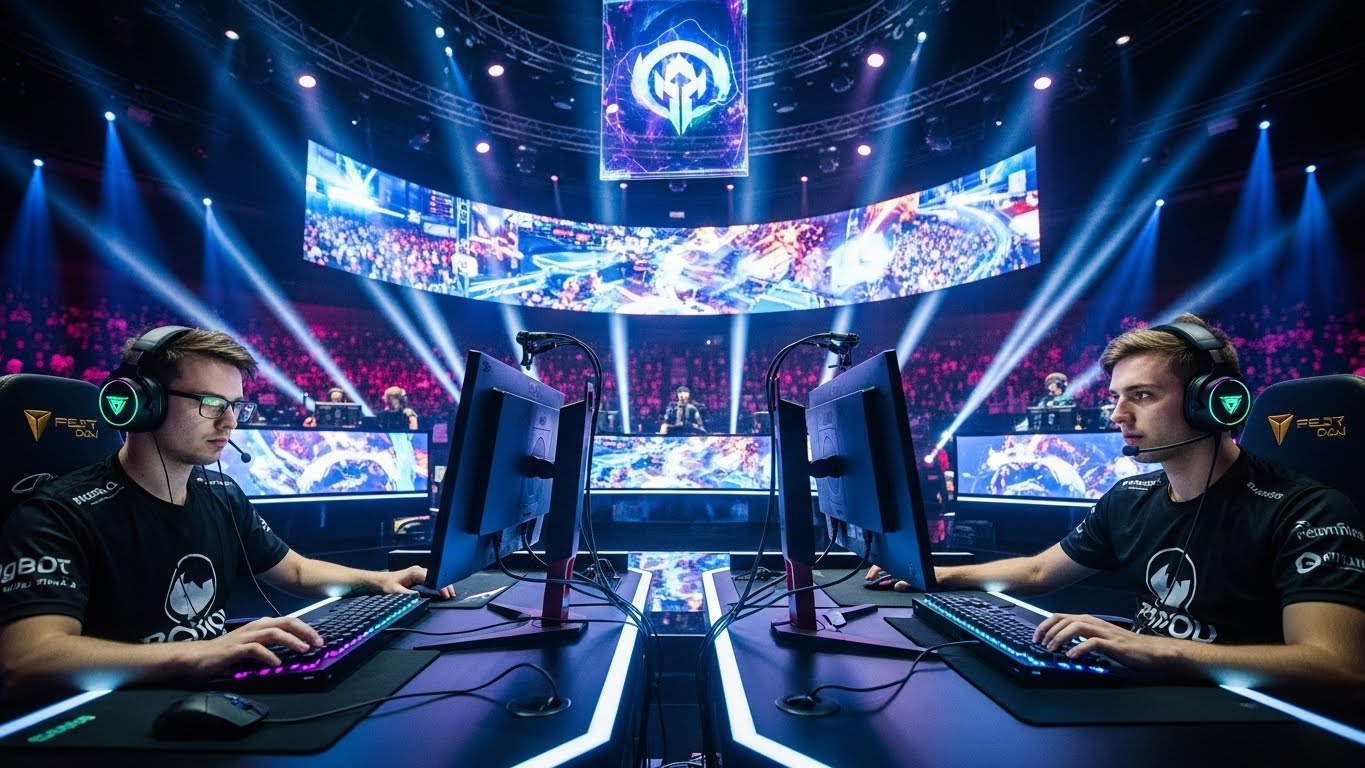
Esports is often misunderstood as simple gameplay, but at the professional level, it is deeply strategic. Matches involve complex decision-making, coordination, and adaptability. Team-based esports require players to understand their roles, communicate effectively, and execute strategies with precision. Coaches and analysts study gameplay data to identify strengths, weaknesses, and opportunities. This strategic depth is a major reason why esports captivates audiences and continues to grow as a spectator sport.
Streaming and the Growth of Esports Audiences
Streaming platforms have played a crucial role in the growth of esports. Fans can watch live matches, follow their favorite players, and engage with communities in real time. Streaming has made esports accessible to a global audience, allowing fans to experience the excitement regardless of location. Commentators and analysts enhance the viewing experience by explaining strategies and providing insights, making esports enjoyable even for newcomers.
Fan Culture and Community Engagement
Esports thrives on its passionate fanbase. Fans do more than watch matches; they actively participate in discussions, create content, and support teams with loyalty and enthusiasm. Online communities bring together people from different backgrounds, united by shared interests. Live events amplify this sense of belonging, as fans gather to celebrate competition and community. This strong fan culture gives esports a unique identity and emotional connection.
Global Reach and Cultural Influence
One of the defining features of esports is its global nature. Players from different countries compete on equal digital platforms, breaking down geographical barriers. International tournaments showcase diverse cultures and playstyles, promoting cross-cultural understanding. Esports has also influenced fashion, music, and digital culture, shaping trends beyond gaming. Its global reach demonstrates how technology can unite people through shared passions.
Esports and Education
Esports is increasingly recognized for its educational value. Competitive gaming develops skills such as problem-solving, critical thinking, teamwork, and communication. Some schools and universities now offer esports programs, integrating competition with academic development. These initiatives help legitimize esports as a constructive activity and provide pathways for students to pursue careers in gaming-related fields.
Economic Impact of Esports
The esports industry has grown into a significant economic force. Revenue streams include sponsorships, advertising, merchandise, ticket sales, and media rights. Investments continue to pour into teams, tournaments, and infrastructure. Cities hosting major esports events benefit from tourism and global exposure. This economic growth reflects the industry’s stability and long-term potential.
Technology Driving Esports Forward
Advancements in technology have been essential to the success of esports. High-performance gaming hardware, low-latency internet, and advanced broadcasting tools enhance both gameplay and viewing experiences. Data analytics and artificial intelligence help teams analyze performance and improve strategies. As technology continues to evolve, it will further shape how esports is played, watched, and managed.
Challenges Facing the Esports Industry
Despite its growth, esports faces challenges that must be addressed. Player burnout is a major concern due to intense training schedules and competitive pressure. Issues related to fair play, cheating, and inconsistent regulations across regions also exist. Additionally, the industry must work towards greater inclusivity and diversity to ensure equal opportunities for all participants. Addressing these challenges is vital for sustainable growth.
Esports and Traditional Sports
The relationship between esports and traditional sports continues to strengthen. Many sports organizations have invested in esports teams, recognizing shared values of competition, discipline, and fan engagement. Training techniques, performance analytics, and mental conditioning methods are increasingly shared between the two worlds. This convergence highlights the legitimacy of esports as a modern form of competition.
Career Opportunities Beyond Playing
Esports offers a wide range of career opportunities beyond professional gameplay. Roles in event management, broadcasting, marketing, content creation, coaching, and game development support the industry’s growth. These careers allow individuals to contribute their skills and passions to esports without being professional players, expanding the industry’s reach and impact.
The Future of Esports
The future of esports looks promising and dynamic. Emerging technologies such as virtual reality and augmented reality may redefine how competitions are experienced. Grassroots programs and youth initiatives will continue to nurture new talent. As esports gains further recognition, it may become even more integrated into mainstream culture, education, and entertainment.
Conclusion: A New Era of Competitive Entertainment
Esports represents a new era of competition shaped by technology, creativity, and community. From its humble beginnings to its current status as a global industry, esports has redefined what it means to compete and connect. It offers opportunities for players, fans, and professionals while inspiring innovation and collaboration. As the digital world continues to evolve, esports will remain a powerful force, proving that competition in virtual arenas can deliver real passion, skill, and glory.