Introduction
In the past few decades, a quiet revolution has been taking place in the world of sports and entertainment. What was once considered a niche hobby has now become a cultural and economic powerhouse: esports. Competitive video gaming, or esports, has transformed from a casual pastime into a global phenomenon, attracting millions of fans, players, and organizations across the world. From small local tournaments to grand international leagues, esports has cemented itself as a major player in the entertainment industry, rivaling traditional sports in terms of viewership, revenue, and influence. This blog delves into the rise of esports, its significance, its impact on society, and what the future holds for this booming industry.
The Origins of Esports: From Arcade Games to Global Competitions
Esports as we know it today didn’t appear overnight. Its origins trace back to the early days of video gaming in the 1970s. During this time, the concept of competitive gaming was born in small local competitions, often revolving around arcade machines. Games like Space Invaders and Pong were early pioneers of competitive gaming, as players began to challenge each other for the highest scores.
The next major milestone in esports came in the 1990s with the rise of personal computers and online gaming. Titles like Doom, Warcraft, and StarCraft began to cultivate passionate communities of players who competed in organized tournaments. However, it wasn’t until the early 2000s, with the widespread availability of high-speed internet, that esports truly exploded onto the scene. With the ability to connect players from all over the world in real-time, competitive gaming entered a new era, eventually leading to the formation of global leagues and the establishment of esports as a legitimate career path.
The Growth of Esports: From Underground Culture to Global Industry
The early 2000s marked a period of rapid growth for esports. Games like Counter-Strike, Warcraft III, and League of Legends helped turn competitive gaming into a global spectacle. In 2003, the creation of the World Cyber Games (WCG) and Major League Gaming (MLG) marked the beginning of professional esports leagues, bringing together the world’s best players for large-scale tournaments.
At the same time, the rise of platforms like Twitch revolutionized how esports was consumed. Streaming services made it possible for fans to watch live gameplay from professional players in real-time. This not only opened up new avenues for fans to engage with their favorite players and teams but also created new opportunities for players to build their own personal brands. The rise of YouTube and social media further fueled the growth of esports, with creators and influencers helping to spread the word about upcoming events, new games, and even lifestyle content related to gaming.
Over the next decade, esports began to attract serious investment, with major corporations, tech companies, and even traditional sports organizations taking notice. By the mid-2010s, esports had solidified its place as a legitimate form of entertainment, with large-scale sponsorship deals, million-dollar prize pools, and media rights deals becoming common. In fact, esports was now recognized as a multi-billion-dollar industry, rivaling even the biggest traditional sports in terms of revenue and viewership.
The Esports Ecosystem: Teams, Players, and the Business Behind the Game
One of the key factors behind the success of esports is the complex ecosystem that supports it. At its core, esports revolves around professional teams, players, and tournaments, each of which plays a critical role in the overall structure of the industry.
Esports Teams and Organizations
Professional esports teams are the backbone of the industry. These teams are composed of highly skilled players who represent organizations and compete in various leagues and tournaments. These teams often operate like traditional sports clubs, with coaching staff, analysts, psychologists, and managers supporting players in their pursuit of victory. Some of the most well-known esports organizations include Team Liquid, Cloud9, and Fnatic, each of which fields teams across multiple titles like League of Legends, Dota 2, CS:GO, and Valorant.
The Role of Players
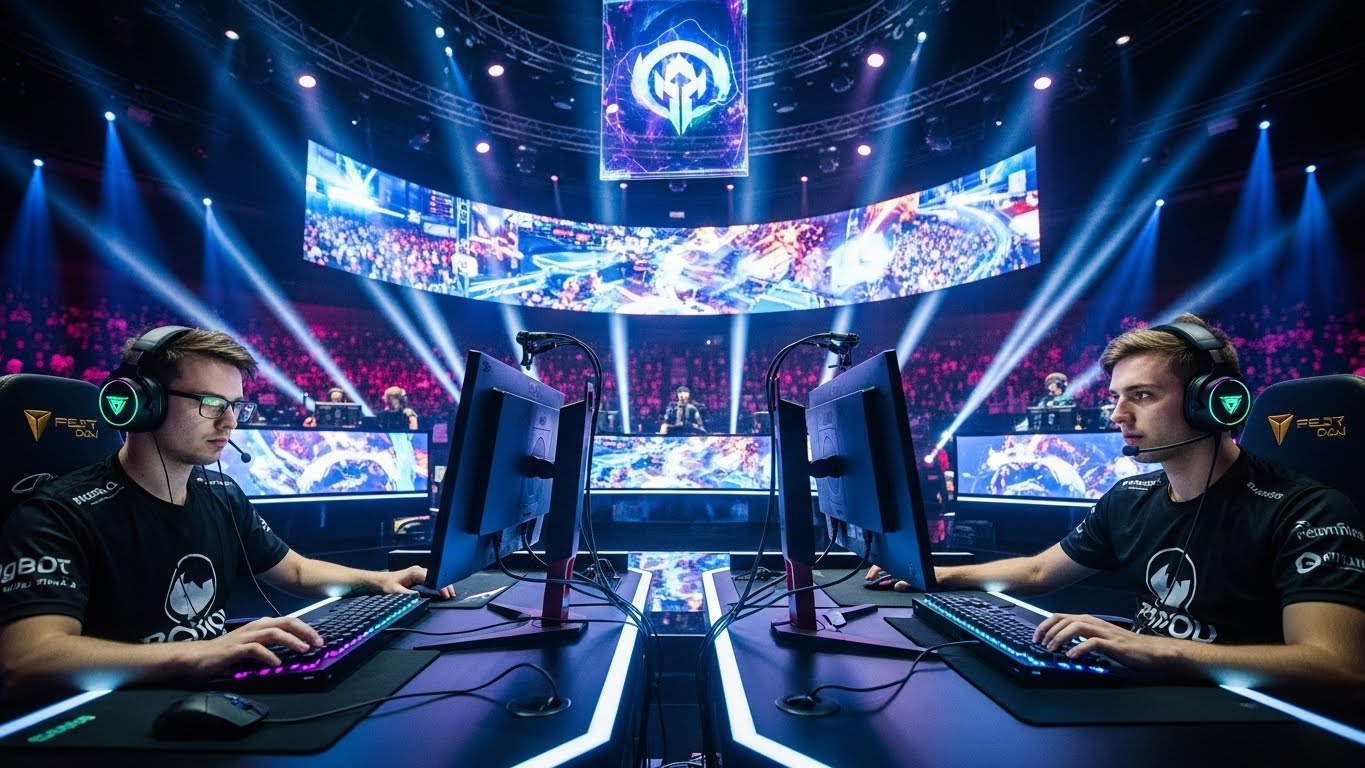
Esports athletes are a unique breed, dedicating countless hours to practicing, strategizing, and competing. Unlike traditional athletes, esports players typically start their careers at a much younger age, often joining teams as teenagers. Success in esports requires not just excellent mechanical skills, but also strong teamwork, communication, and mental fortitude. Players spend hours practicing specific strategies, reviewing match footage, and staying in peak physical and mental condition. This level of commitment has led to the rise of a new generation of professional gamers who make their living through prize money, sponsorships, streaming, and merchandise.
Tournaments and Competitions
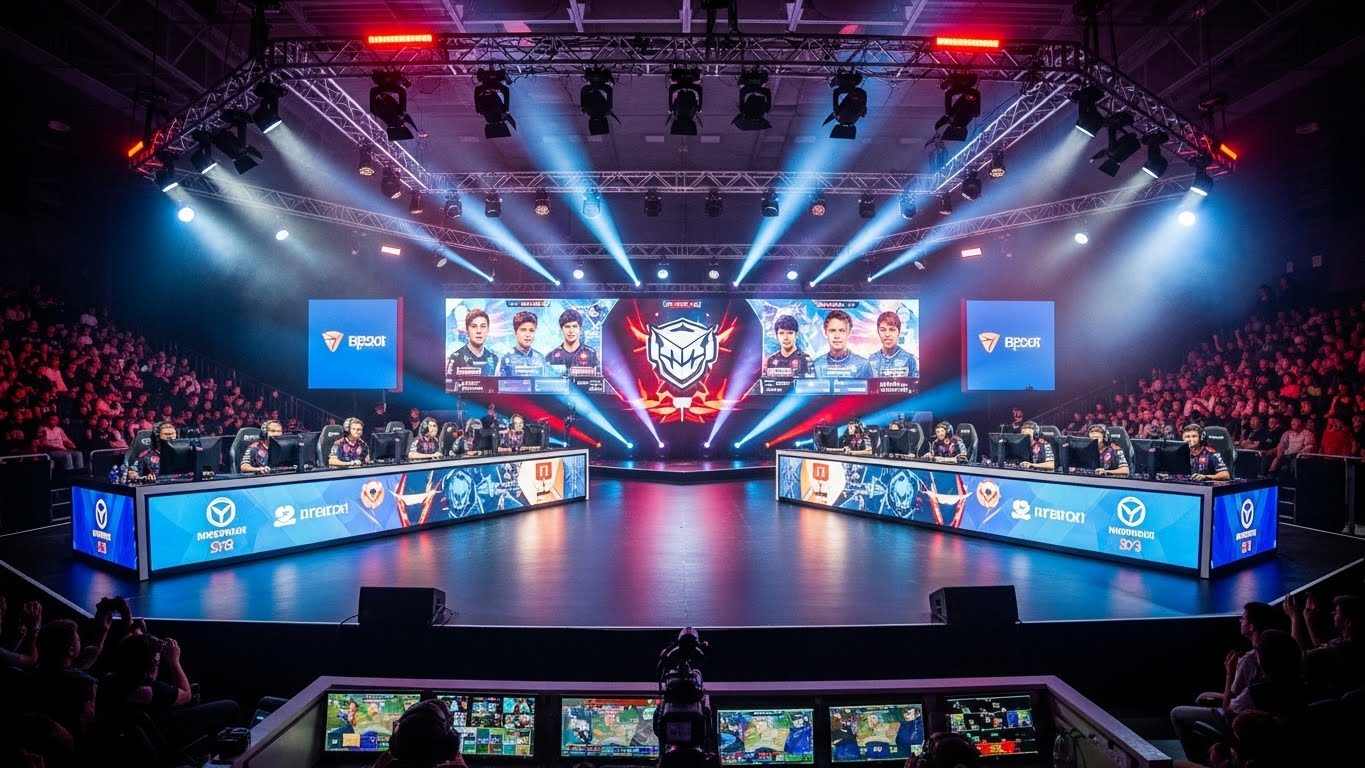
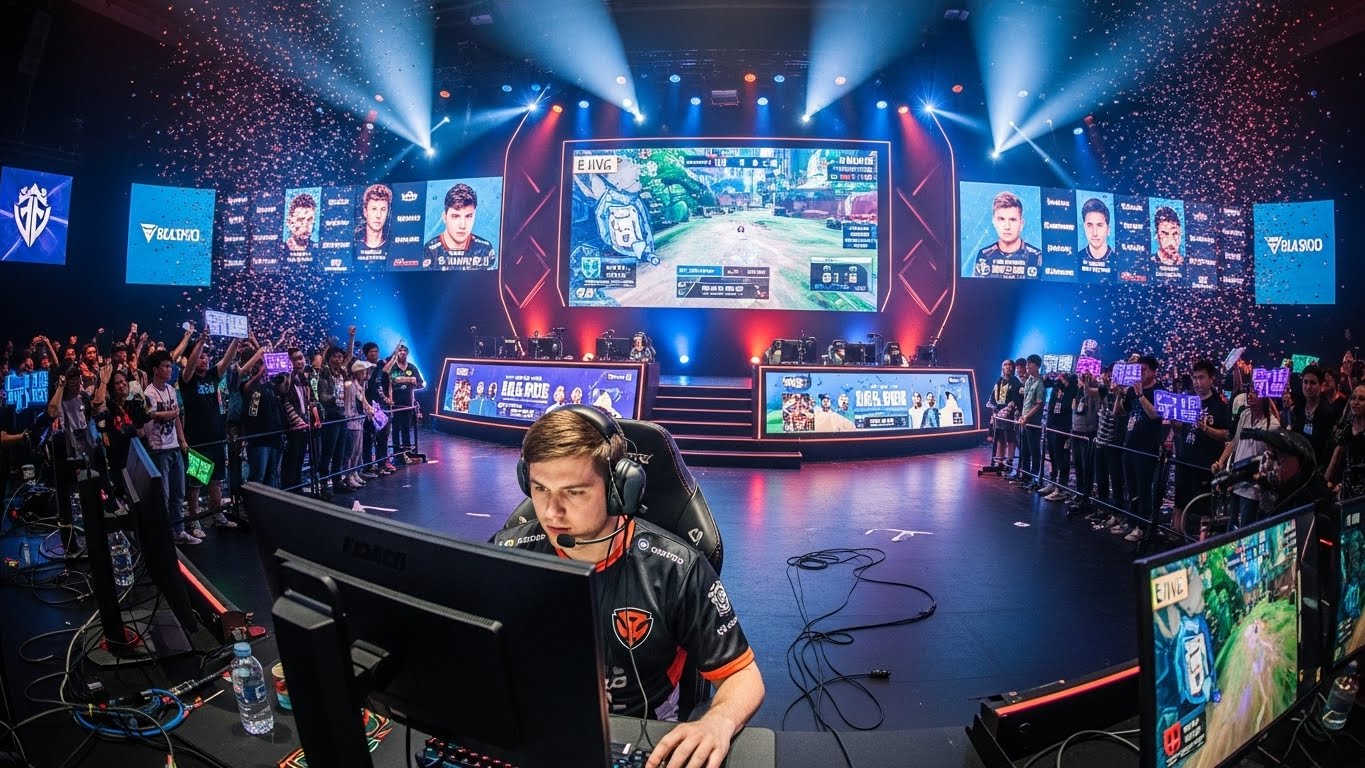
At the heart of the esports world are the tournaments and competitions where players and teams compete for glory and cash prizes. From massive international events like The International (the world championship for Dota 2) to regional leagues like the League of Legends World Championship, esports competitions draw in millions of viewers and offer prize pools that can exceed tens of millions of dollars. These tournaments are often broadcast live across multiple platforms, allowing fans to watch their favorite players and teams compete in real-time.
Esports Sponsors and Partners
The financial growth of esports has been largely driven by sponsorships and partnerships with major brands. Just like traditional sports, esports teams and events attract sponsorships from global brands across various industries, including technology, beverage companies, fashion, and automotive brands. Companies like Intel, Coca-Cola, and Red Bull have all invested heavily in esports, recognizing its massive potential as a marketing tool to reach a young, tech-savvy audience. These sponsorships help fund teams, events, and players, while also creating valuable brand exposure for companies.
The Global Fanbase: Connecting Players and Spectators
One of the most unique aspects of esports is its ability to create a truly global fanbase. Unlike traditional sports, which often have regional or national fanbases, esports transcends borders. Fans from all over the world support teams and players from different countries, often forming communities around specific games or regions. This global reach has been made possible by streaming platforms like Twitch, which allow fans to watch live competitions from anywhere at any time.
Moreover, esports fans are highly engaged with their favorite players and teams. Social media platforms like Twitter, Instagram, and TikTok allow fans to interact directly with players, share content, and participate in discussions. This level of engagement has turned esports into a highly interactive and community-driven experience, with fans playing an integral role in the growth of the industry.
The Impact of Esports on Society
Esports is not just about entertainment. It has also had a significant cultural and social impact. For many people, gaming and esports provide a sense of community and belonging. Players, fans, and content creators have formed tight-knit communities where they share their passion for gaming, exchange strategies, and celebrate victories together. This sense of community has helped break down barriers and create a more inclusive space for individuals from all walks of life.
In addition, esports has encouraged the development of skills like problem-solving, teamwork, and critical thinking. Players must constantly adapt their strategies, communicate effectively with teammates, and think on their feet during high-pressure situations. These skills can be transferable to real-world situations, making esports a valuable tool for personal development.
Moreover, esports is increasingly being recognized as a legitimate career path, with universities and colleges offering scholarships and degree programs in esports management, game design, and related fields. This has opened up new opportunities for young people who are passionate about gaming and esports but may not have considered it as a viable career option.
The Future of Esports: What Lies Ahead
As esports continues to grow, its future looks incredibly bright. The next frontier for the industry lies in expanding its reach into new markets and exploring emerging technologies. The rise of mobile esports, particularly in regions like Asia, is expected to play a significant role in the future of competitive gaming, as smartphones become the primary gaming device for millions of players.
Another exciting development is the potential for virtual reality (VR) and augmented reality (AR) to revolutionize how esports is played and consumed. These technologies could offer new, immersive ways to experience esports competitions, creating a deeper connection between players and fans.
In addition, esports may continue to integrate more closely with traditional sports. Already, we’re seeing crossover events, with traditional sports organizations like the NBA and NFL investing in esports leagues and tournaments. This trend is likely to continue, as the lines between esports and traditional sports continue to blur.
Conclusion
Esports has evolved from a niche hobby into a global entertainment powerhouse. With millions of players, fans, and organizations driving its growth, esports is redefining what it means to be a competitor in the modern age. It’s an industry that blends skill, strategy, entertainment, and technology in a way that is uniquely appealing to a new generation of fans and players.
As esports continues to expand its influence, the future of competitive gaming looks brighter than ever. Whether you’re a player, a fan, or someone looking to explore this exciting world, there’s never been a better time to dive into the world of esports. The digital revolution is here, and it’s changing the future of competition forever.