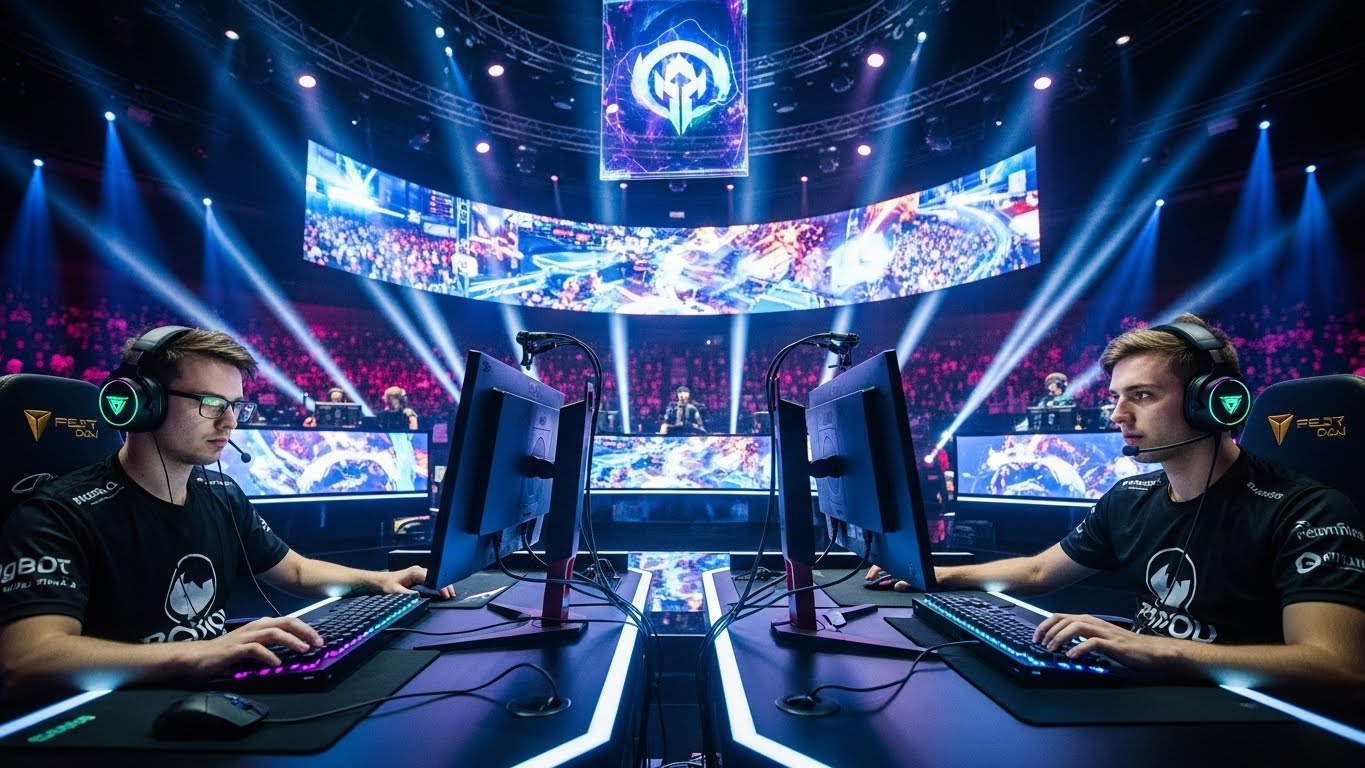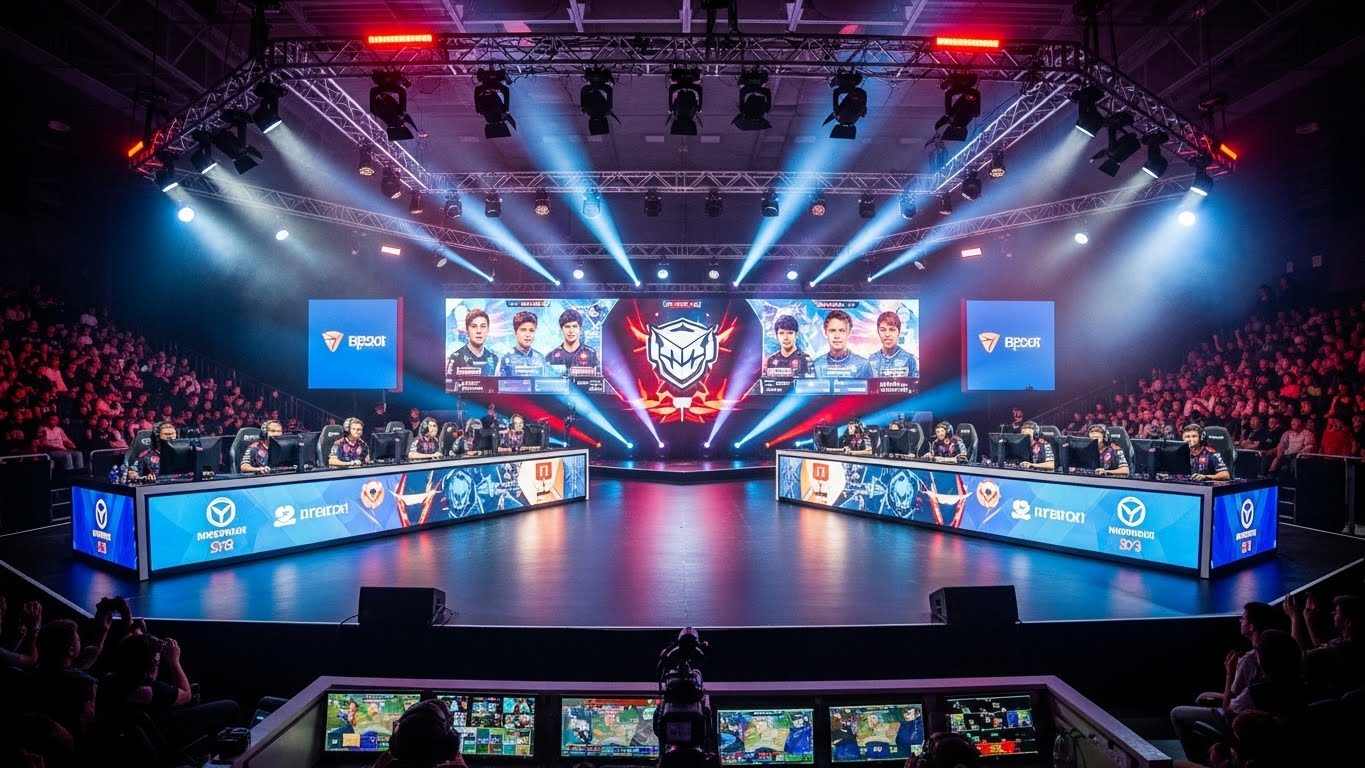
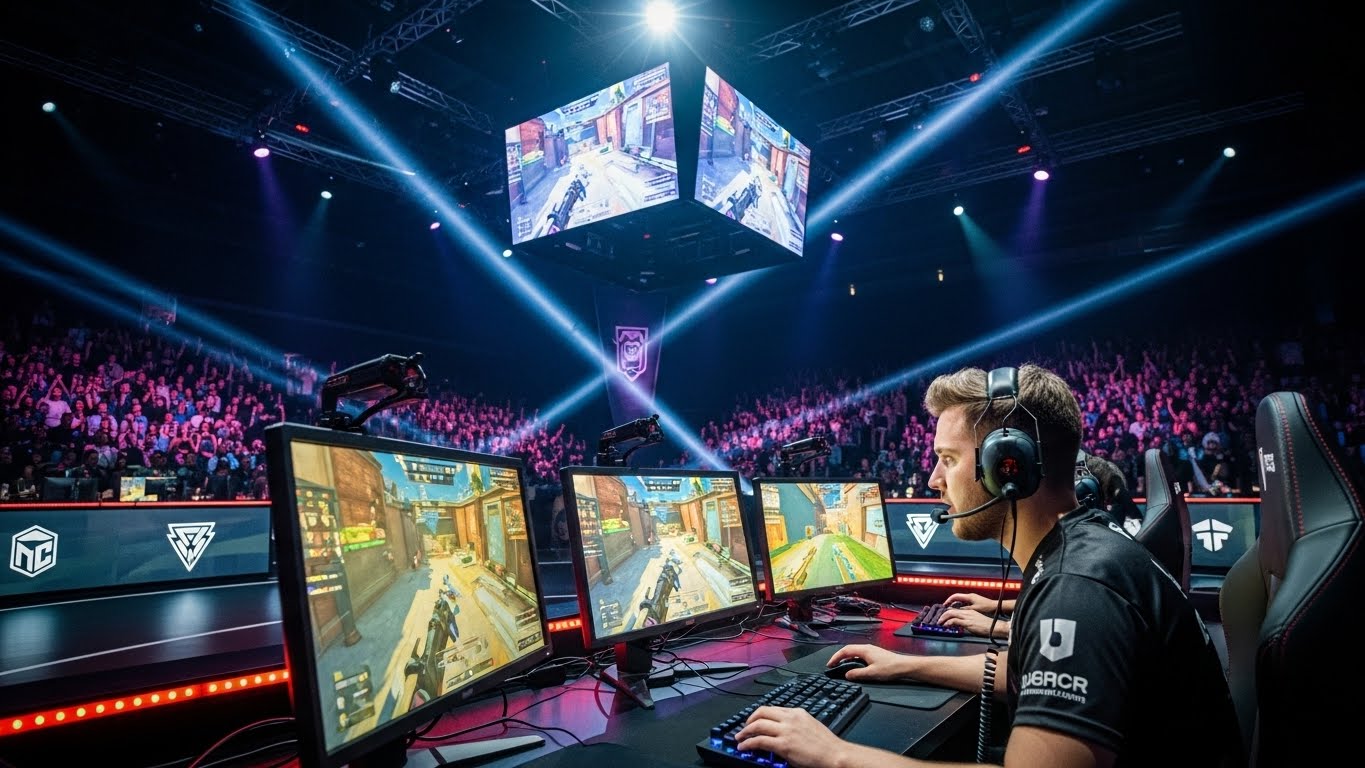
Esports has emerged as one of the most influential forms of modern entertainment, transforming competitive video gaming into a global sporting phenomenon. Once confined to small rooms and local tournaments, esports now fills massive arenas, attracts millions of viewers, and creates professional careers for players around the world. More than just games, esports represents discipline, strategy, teamwork, and innovation in the digital age. This blog explores how esports evolved, how it functions today, and why it continues to reshape the idea of sport and competition.
The Early Days of Competitive Gaming
The roots of esports lie in the earliest multiplayer video games. In the beginning, competition was informal, often limited to friends competing for high scores or local bragging rights. Arcade machines encouraged competition by displaying leaderboards, creating a desire to outperform others.
As personal computers and gaming consoles became more powerful, multiplayer gaming expanded. Local network competitions allowed players to face each other directly, fostering a sense of rivalry and skill-based competition. These early matches were small in scale, but they planted the idea that video games could be competitive, organized, and spectator-friendly.
The Shift Toward Organized Competition
Esports began to take shape when competitions became structured. Tournaments introduced rules, brackets, and prizes, encouraging players to train seriously. Skill, strategy, and teamwork became essential elements of success.
Communities formed around specific games, and competitive rankings helped identify top players. The rise of online play allowed competitors from different regions to face one another, dramatically increasing the scale of competition. This shift marked the transition from casual gaming to a recognized competitive discipline.
Defining Esports as a Sport
Esports shares many characteristics with traditional sports. Players train regularly, teams follow structured schedules, and competitions are governed by rules. Matches require strategy, communication, reflexes, and mental endurance.
What differentiates esports is its digital foundation. Instead of physical fields or courts, competition takes place in virtual arenas. Despite this difference, the dedication, preparation, and pressure experienced by esports athletes mirror those of traditional athletes, reinforcing esports as a legitimate form of sport.
The Esports Ecosystem Explained
The esports ecosystem is complex and highly organized. At its core are competitive games, often categorized into genres such as strategy-based games, shooters, and team-based tactical games. Each genre emphasizes different skills, from rapid reaction times to deep strategic planning.
Professional teams consist of players with specialized roles, coaches who develop tactics, analysts who study opponents, and managers who handle logistics. Tournament organizers create competitive formats, while broadcasters present matches to global audiences. This interconnected system allows esports to function smoothly at a professional level.
Life Inside an Esports Team
Being part of an esports team requires intense commitment. Players often practice for many hours each day, focusing on mechanical skills, teamwork, and strategic coordination. Practice sessions include scrimmages against other teams, video reviews, and communication drills.
Team chemistry plays a critical role in success. Players must trust one another, communicate clearly, and adapt quickly during matches. Outside of competition, teams often follow routines that include physical exercise, mental training, and rest to maintain peak performance.
Mental Focus and Competitive Pressure
Mental strength is one of the most important qualities in esports. Matches are fast-paced, and decisions must be made in seconds. A single mistake can determine the outcome of a game, especially at the highest level of competition.
Players face constant pressure from opponents, teammates, and large audiences. Managing stress, maintaining confidence, and staying focused are essential skills. Many professional teams emphasize mental coaching to help players perform consistently and cope with competitive demands.
Technology as the Foundation of Esports
Technology is the backbone of esports. High-performance hardware ensures smooth gameplay, while stable internet connections are critical for fair competition. Game developers play a vital role by maintaining balance, fixing technical issues, and updating games to keep competition fresh.
Broadcasting technology has also driven esports growth. High-quality visuals, live commentary, instant replays, and data overlays make matches exciting to watch. These innovations have turned esports into a polished spectator experience that rivals traditional sports broadcasts.
Esports and Global Community
One of esports’ greatest strengths is its global community. Players and fans from different countries connect through shared passion and competition. International tournaments bring together diverse cultures, showcasing different playstyles and strategies.
Fans actively participate by supporting teams, discussing strategies, and creating content inspired by their favorite games. This strong sense of community builds loyalty and identity, making esports more than just competition—it becomes a shared global culture.
Economic Impact of Esports
Esports has become a powerful economic force. Revenue is generated through sponsorships, advertising, tournament prizes, merchandise, and media production. Companies invest in esports to reach digitally connected audiences, driving rapid industry growth.
Esports also creates jobs across many fields, including event production, content creation, coaching, design, and software development. Large tournaments boost local economies by attracting visitors and generating employment. The financial growth of esports highlights its importance as a modern industry.
Education and Skill Development Through Esports
Esports promotes valuable skills that extend beyond gaming. Players develop teamwork, communication, leadership, and problem-solving abilities. These skills are applicable in academic and professional environments.
Educational institutions have begun recognizing esports as a legitimate extracurricular activity. Organized programs encourage discipline, time management, and strategic thinking. Esports demonstrates that learning can happen through modern, interactive experiences aligned with digital culture.
Ethical Concerns and Player Welfare
As esports grows, ethical challenges have emerged. Issues such as cheating, unfair contracts, and lack of standardized regulation can undermine competitive integrity. Ensuring fair play and transparency is essential for maintaining trust.
Player welfare is also a concern. Many players begin their careers at a young age and face intense pressure, burnout, and uncertain career longevity. Providing health support, career guidance, and ethical management practices is critical for long-term sustainability.
Diversity and Inclusion in Esports
Esports has the potential to be highly inclusive, as physical limitations are less restrictive than in traditional sports. However, challenges such as gender imbalance and online harassment still exist.
Efforts to promote inclusivity are increasing, with initiatives supporting women and underrepresented groups. Creating welcoming environments strengthens the community, expands participation, and encourages innovation. Diversity ensures that esports reflects the global audience it serves.
Esports as a Cultural Movement
Beyond competition, esports is a cultural movement. It influences fashion, language, media, and digital creativity. Esports personalities become role models, and major tournaments become cultural events that define moments in modern entertainment.
Streaming and fan interaction allow players to build personal brands and connect directly with audiences. This accessibility creates a unique relationship between competitors and fans, redefining how sports culture operates in the digital era.
The Future of Esports
The future of esports is filled with opportunity. Advancements in technology will continue to enhance gameplay, viewing experiences, and global connectivity. New competitive titles will emerge, while established games evolve to remain relevant.
Greater focus on regulation, mental health, and inclusivity will shape the industry’s future. As esports becomes more integrated into mainstream culture, it will influence education, entertainment, and digital communities worldwide.
Conclusion
Esports has grown from informal gaming competitions into a global digital sport defined by skill, strategy, and community. It has created new careers, redefined competition, and connected millions of people across the world.
While challenges remain, the continued growth of esports proves its lasting impact. It is not merely a trend but a transformation of how competition is experienced in the modern era. Esports stands as a symbol of innovation, dedication, and the evolving nature of sport in a digital world.