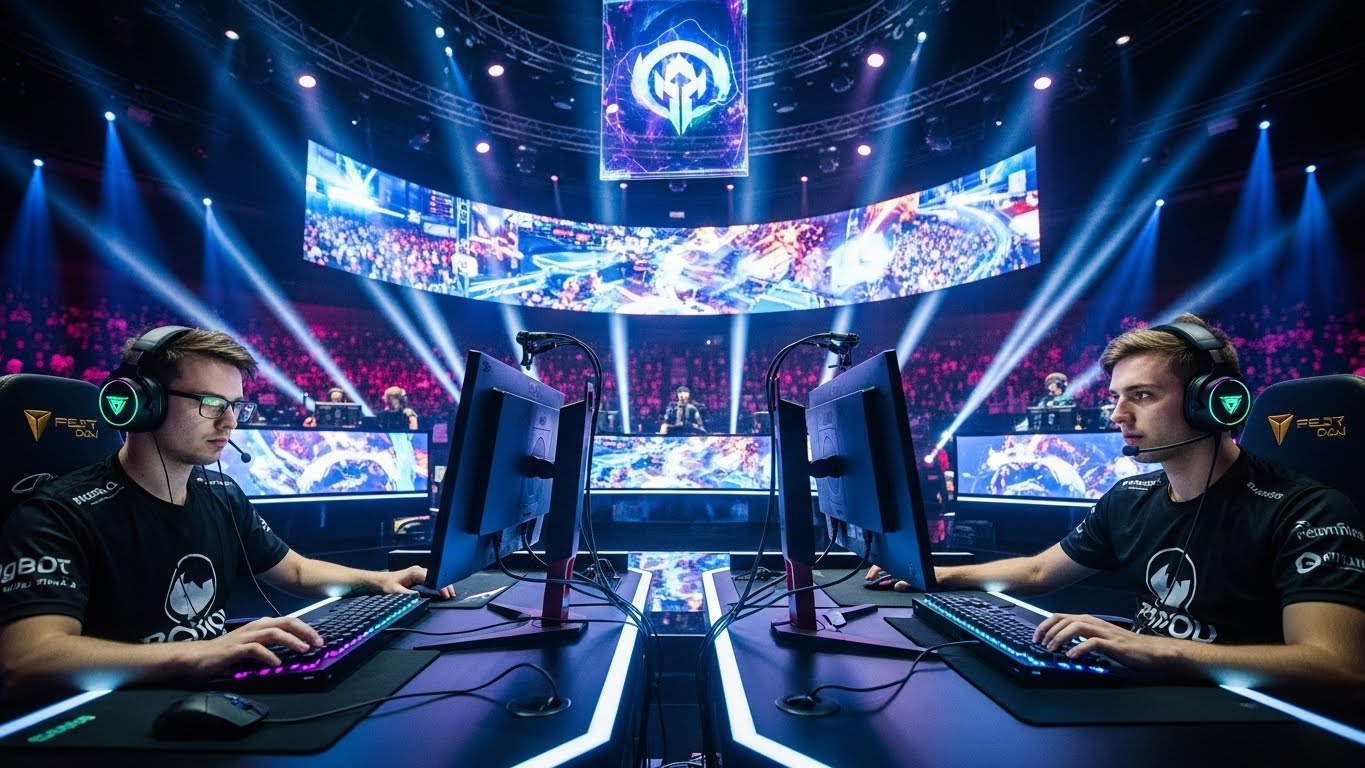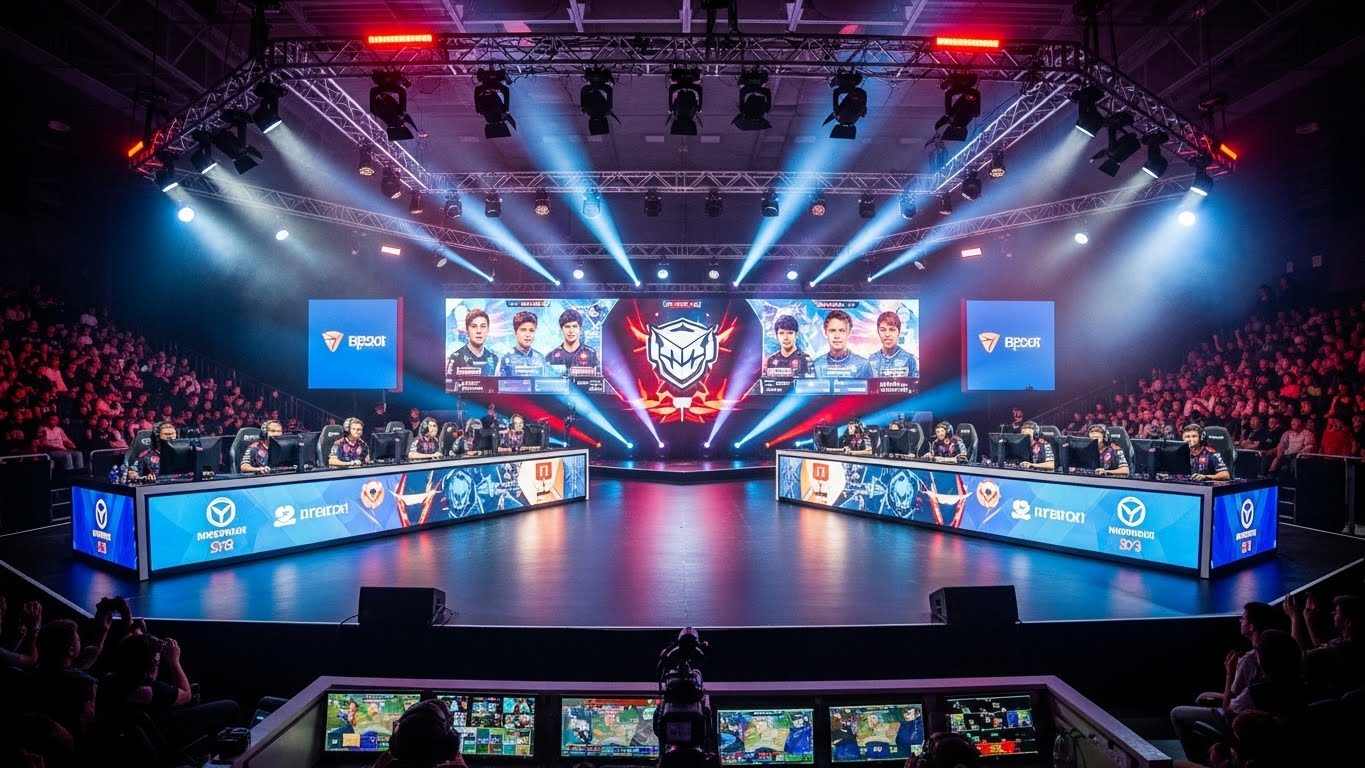
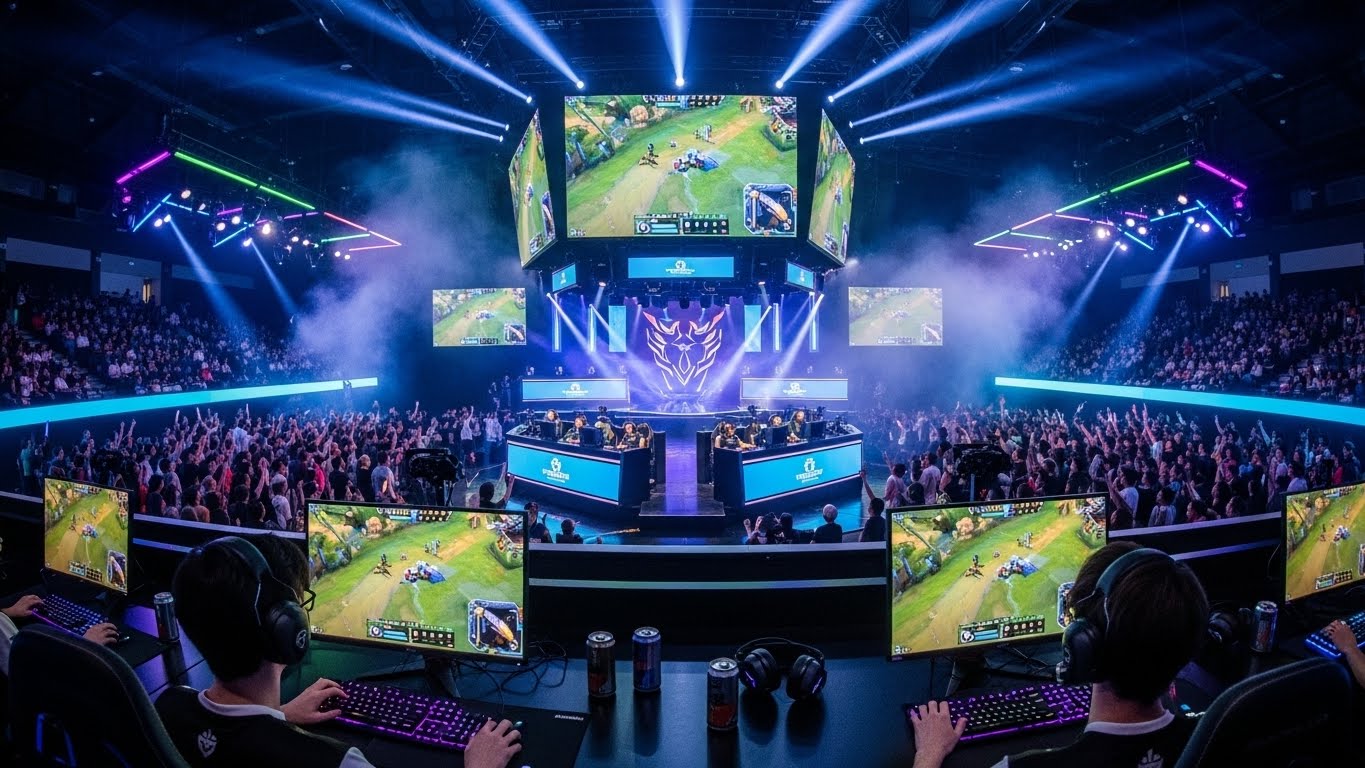
Esports has emerged as one of the most transformative forces in modern entertainment and competition. What once existed as casual gaming sessions among friends has grown into a structured, professional, and globally recognized industry. Millions of fans now watch esports tournaments, professional players train like elite athletes, and entire careers are built around competitive gaming. Esports is no longer just about playing video games; it is about strategy, discipline, community, and innovation. This blog explores how esports evolved, its influence on society, its challenges, and what the future holds for this digital revolution.
The Early Foundations of Esports
The story of esports began long before packed arenas and global championships. In the early days of video gaming, competition was informal and local. Arcade machines in the 1980s encouraged players to chase high scores, creating the first sense of competitive gaming. As home consoles and personal computers became more common, players started competing against each other rather than just the game itself.
The real turning point came with the rise of multiplayer games and internet connectivity. Players could now compete with others across cities and countries. Games that rewarded skill, strategy, and teamwork naturally gave rise to organized competitions. These early tournaments laid the groundwork for esports by proving that video games could be competitive, spectator-friendly, and deeply engaging.
The Transition from Hobby to Profession
As competitive gaming gained popularity, it began to resemble traditional sports in structure and commitment. Talented players dedicated countless hours to improving their skills, learning game mechanics, and developing strategies. Teams were formed, roles were assigned, and practice schedules became rigorous. What separated esports from casual gaming was discipline and consistency.
Professionalization followed quickly. Players began earning salaries, teams gained sponsors, and tournaments offered substantial prize pools. Esports organizations introduced coaching staff, analysts, and managers to support players. This transition transformed gaming from a leisure activity into a legitimate profession, attracting individuals who saw esports as a long-term career rather than a pastime.
Understanding the Structure of Esports
Esports operates within a well-defined ecosystem. Competitive games are typically categorized into genres such as multiplayer online battle arenas, first-person shooters, real-time strategy games, and sports simulations. Each genre demands a unique set of skills, ranging from mechanical precision to strategic planning and communication.
Teams often consist of players with specialized roles, ensuring balance and coordination during matches. Leagues and tournaments follow structured formats, including qualifiers, group stages, and playoffs. Rules are enforced by officials, and fairness is maintained through standardized settings and anti-cheating measures. This organized framework has helped esports gain credibility and maintain competitive integrity.
The Mental and Physical Demands of Esports
Contrary to the stereotype that gaming requires little effort, esports demands intense mental and physical discipline. Professional players must maintain exceptional focus, fast reaction times, and strategic awareness for extended periods. A single mistake can change the outcome of a match, making mental resilience a critical skill.
Physical health also plays an important role. Long practice hours can strain the eyes, wrists, and posture, prompting teams to incorporate fitness routines and ergonomic training. Mental health has become an equally important focus, as players face pressure from competition, public expectations, and performance consistency. Successful esports athletes balance gaming with rest, exercise, and mental conditioning.
The Role of Technology in Esports Growth
Technology is the backbone of esports. High-performance computers, advanced gaming peripherals, and reliable internet connections enable players to compete at the highest level. Game developers continuously update titles to maintain balance and fairness, ensuring competitive longevity.
Streaming technology has revolutionized how esports is consumed. Fans can watch live matches, analyze gameplay, and follow their favorite players in real time. Broadcasting innovations have enhanced viewer experience through professional commentary, instant replays, and interactive features. Without technological advancement, esports would not have achieved its current global reach.
Community and Culture in Esports
One of the most powerful aspects of esports is its community. Esports brings together people from different backgrounds, cultures, and countries through a shared passion. Fans engage in discussions, celebrate victories, and analyze strategies together, forming strong digital communities.
Esports culture values skill, creativity, and dedication. It has created its own language, traditions, and heroes. Unlike traditional sports, esports communities are deeply interactive, allowing fans to communicate directly with players and teams. This sense of accessibility strengthens loyalty and creates a more personal connection between competitors and audiences.
Economic Impact of the Esports Industry
The esports industry has become a major economic force. Revenue flows from sponsorships, advertising, merchandise, media rights, and live events. Brands see esports as an effective way to connect with younger, digitally native audiences. As a result, investment in esports continues to grow.
Esports events also contribute to local economies by creating jobs and attracting tourism. Production crews, event staff, marketing teams, and content creators all play roles in the industry. Beyond direct revenue, esports has stimulated growth in related sectors such as hardware manufacturing, software development, and digital media.
Education and Skill Development Through Esports
Esports has found a place in educational environments, challenging outdated perceptions of gaming. Schools and universities now offer esports programs that promote teamwork, leadership, communication, and strategic thinking. These programs recognize that competitive gaming develops valuable skills applicable beyond the screen.
Students involved in esports learn time management, goal setting, and problem-solving under pressure. Some institutions provide scholarships for esports athletes, further legitimizing competitive gaming as an educational pathway. Esports demonstrates that learning can occur in diverse and modern formats, aligning education with evolving interests and technologies.
Ethical Concerns and Industry Challenges
Despite its growth, esports faces significant challenges. Issues such as cheating, match-fixing, and performance-enhancing substances threaten competitive integrity. The lack of universal regulation across games and regions complicates enforcement and consistency.
Player welfare is another concern. Young players may experience burnout, exploitation, or unstable career paths. As esports matures, organizations must prioritize ethical standards, fair contracts, and long-term support systems. Addressing these challenges is essential to building a sustainable and trustworthy industry.
Diversity and Inclusion in Esports
Esports has the potential to be one of the most inclusive competitive spaces, yet barriers still exist. Gender imbalance, online harassment, and limited representation remain ongoing issues. However, progress is being made through initiatives that support underrepresented groups and promote respectful competition.
Inclusive esports environments encourage participation from a broader audience, strengthening the community and expanding the talent pool. By fostering diversity, esports can better reflect the global audience it serves and create opportunities for players who may not have access to traditional sports.
The Global Reach of Esports
Esports is inherently global. Players compete across continents, teams consist of international rosters, and tournaments are watched worldwide. This global reach promotes cultural exchange and mutual respect through competition.
Unlike traditional sports, esports does not require physical relocation to participate at a high level. Online competition allows players from remote areas to showcase their talent on international stages. This accessibility has helped esports grow rapidly and establish itself as a truly global form of competition.
The Future of Esports
The future of esports is filled with potential. Advancements in virtual reality, artificial intelligence, and immersive broadcasting may redefine how games are played and viewed. New titles will emerge, while established games will continue to evolve to meet competitive demands.
As esports integrates further into mainstream culture, its influence will extend beyond entertainment. Esports will shape conversations around technology, education, mental health, and global connectivity. With responsible growth and ethical leadership, esports can become a lasting pillar of modern competition.
Conclusion
Esports has transformed from a niche activity into a global industry that redefines what competition means in the digital age. It combines skill, strategy, technology, and community in ways that traditional sports never could. Through professionalization, innovation, and cultural impact, esports has proven that competition is no longer limited to physical arenas.
While challenges remain, the continued growth of esports reflects a shift in how society values digital skill and collaboration. Esports is not just about winning games; it is about connection, creativity, and the pursuit of excellence in a new era. From pixels to podiums, esports stands as a testament to how far competitive gaming has come and how much further it can go.