
Introduction
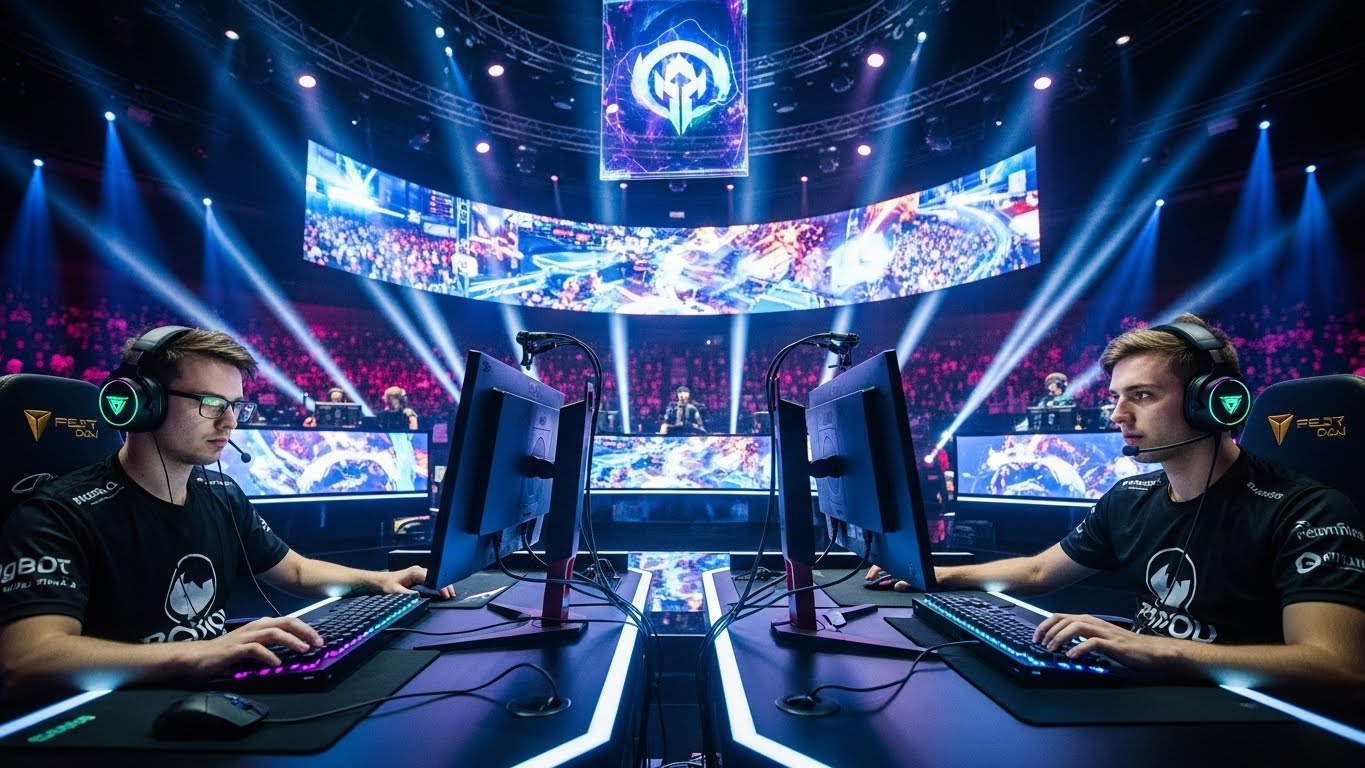
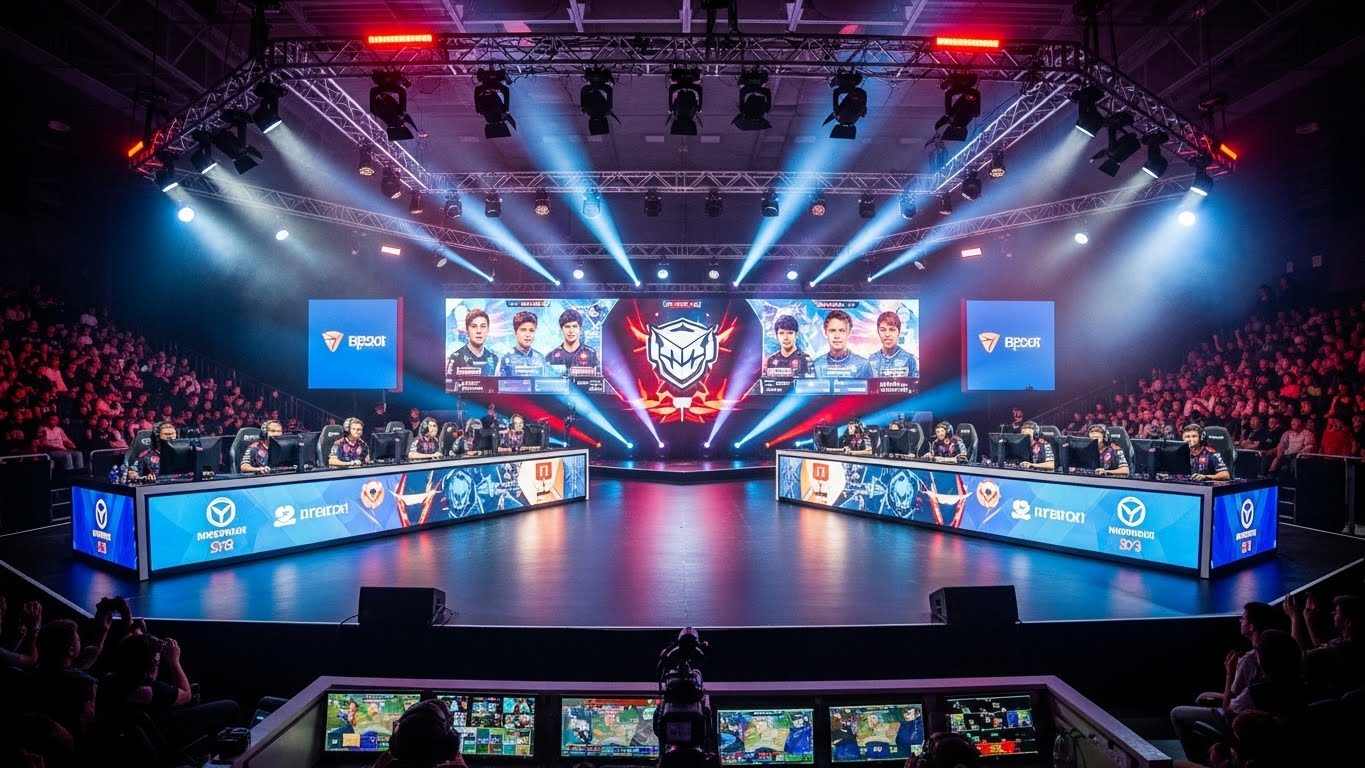
Esports, or electronic sports, has emerged as one of the fastest-growing sectors in global entertainment. Once dismissed as a niche hobby for gamers, esports has evolved into a professional industry, attracting millions of players, viewers, and investors worldwide. Competitive gaming now spans multiple genres, platforms, and tournaments, offering players and audiences experiences comparable to traditional sports. Beyond competition, esports influences culture, technology, and the economy. This blog explores the rise of esports, its social and economic impact, technological innovations, and the future of competitive gaming.
The Origins of Esports
The roots of esports trace back to the late 1970s and 1980s, when competitive gaming tournaments began to emerge. Early events focused on arcade games such as Space Invaders and Pac-Man, with high-score competitions drawing crowds of enthusiasts. As home consoles and personal computers became widespread in the 1990s, the competitive landscape expanded. Games like Street Fighter, Mortal Kombat, and StarCraft laid the foundation for organized competitive gaming, establishing rules, rankings, and professional play.
The 2000s marked a turning point for esports, with online gaming enabling global competition. Multiplayer online games like Counter-Strike and Warcraft III allowed players to compete over the internet, connecting communities across continents. Early online tournaments and leagues offered cash prizes, setting the stage for esports to evolve into a legitimate professional sport.
The Popularity and Growth of Esports
Esports has experienced exponential growth over the past decade. Global audiences now number in the hundreds of millions, and prize pools for major tournaments reach millions of dollars. Popular esports titles such as League of Legends, Dota 2, Call of Duty, and Fortnite have cultivated massive fan bases, driving viewership on streaming platforms and social media.
The accessibility of esports contributes to its popularity. Unlike traditional sports, esports does not require physical infrastructure or expensive equipment to participate. Anyone with a computer, console, or mobile device can compete, creating a level playing field and attracting diverse players from around the world. This accessibility has helped esports expand into regions where conventional sports may have limited reach.
Esports as a Professional Career
Esports is no longer just a hobby; it has become a professional career path. Professional players compete in leagues, tournaments, and global championships, often earning substantial salaries, sponsorships, and prize money. Teams and organizations operate similarly to traditional sports franchises, managing players, coaching staff, analysts, and marketing professionals.
Beyond players, the esports industry provides careers in content creation, broadcasting, event management, and game development. Streamers and influencers have turned esports into a form of entertainment, drawing millions of viewers and creating new revenue streams. This professionalization has elevated esports, giving it legitimacy and opening opportunities for individuals to pursue gaming as a sustainable career.
The Cultural Impact of Esports
Esports has had a profound cultural impact, shaping entertainment, social interaction, and community identity. Esports tournaments and streaming events have become major cultural events, attracting global audiences and influencing popular media. Iconic esports players have become celebrities, inspiring fan communities and shaping gaming culture.
Esports also fosters inclusivity, providing platforms for players of different genders, backgrounds, and abilities to compete on equal terms. Online communities connect players and fans worldwide, promoting cultural exchange and collaboration. The social aspect of esports strengthens its influence, as fans interact through live chats, forums, and social media while following their favorite players and teams.
The Role of Technology in Esports
Technology drives the growth and evolution of esports. High-performance gaming hardware, fast internet connections, and sophisticated software enable competitive play and immersive experiences. Streaming platforms allow fans to watch live tournaments from anywhere in the world, while broadcasting technology brings esports events to large audiences, complete with commentary, analysis, and production value comparable to traditional sports.
Game development technology also contributes to esports. Developers continuously refine mechanics, balance gameplay, and create new competitive modes to enhance player engagement. Artificial intelligence is increasingly used for performance analysis, strategy development, and matchmaking, providing deeper insights for both players and teams.
Economic Impact of Esports
Esports has become a significant economic force, contributing billions of dollars annually to the global economy. Revenue comes from multiple sources, including tournament prize money, team sponsorships, merchandise sales, streaming subscriptions, and advertising. Major esports tournaments generate revenue comparable to traditional sports events, attracting corporate sponsors and media partnerships.
The economic influence of esports extends beyond players and teams. Event management companies, streaming platforms, game developers, and hardware manufacturers all benefit from the growth of esports. Additionally, cities and countries that host esports events see a boost in tourism, marketing, and local business opportunities. The economic ecosystem surrounding esports demonstrates its transformative power as an industry.
Esports and Education
Esports is increasingly recognized for its educational potential. Competitive gaming promotes skills such as strategic thinking, problem-solving, communication, and teamwork. Schools and universities have begun integrating esports programs, offering scholarships and organized leagues for students.
These programs teach not only technical skills but also leadership, collaboration, and time management. Participation in esports can foster personal development, preparing students for careers in technology, media, and entertainment. The educational value of esports highlights its potential beyond entertainment, demonstrating how gaming can nurture talent and critical life skills.
Challenges Facing Esports
Despite its growth, esports faces several challenges. The rapid pace of the industry creates pressure on players, leading to burnout, mental health issues, and intense competition. Addiction, toxicity in online communities, and unhealthy gaming habits are additional concerns that require ongoing attention from teams, developers, and regulatory bodies.
Esports also faces challenges related to regulation and legitimacy. Different countries have varying legal frameworks, affecting the organization of tournaments, prize distribution, and sponsorships. Establishing consistent standards and protections for players is crucial to ensure the industry’s long-term stability and credibility.
The Future of Esports
The future of esports is promising, with continued growth in technology, audience reach, and professional opportunities. Virtual reality and augmented reality may introduce new forms of competition, creating fully immersive experiences. AI and data analytics will continue to enhance player performance, game balance, and audience engagement.
Esports is likely to integrate further with mainstream media and traditional sports. Collaborations with broadcasters, sponsors, and entertainment platforms will expand visibility and cultural impact. As esports matures, it will continue to create professional opportunities, foster global communities, and redefine the boundaries of competition and entertainment.
Conclusion
Esports has transformed competitive gaming into a global phenomenon that shapes culture, technology, and society. From early arcade competitions to modern professional leagues, esports demonstrates the power of digital play to connect people, inspire careers, and create economic opportunities. It offers entertainment, education, and social interaction while pushing the boundaries of technological innovation.
While challenges such as player well-being, regulation, and community toxicity exist, the industry’s growth and adaptability ensure a bright future. Esports is more than just gaming; it is a cultural revolution, a professional arena, and a platform that reflects the evolving ways people play, compete, and connect in the digital age.