Introduction: The Digital Arena of the 21st Century
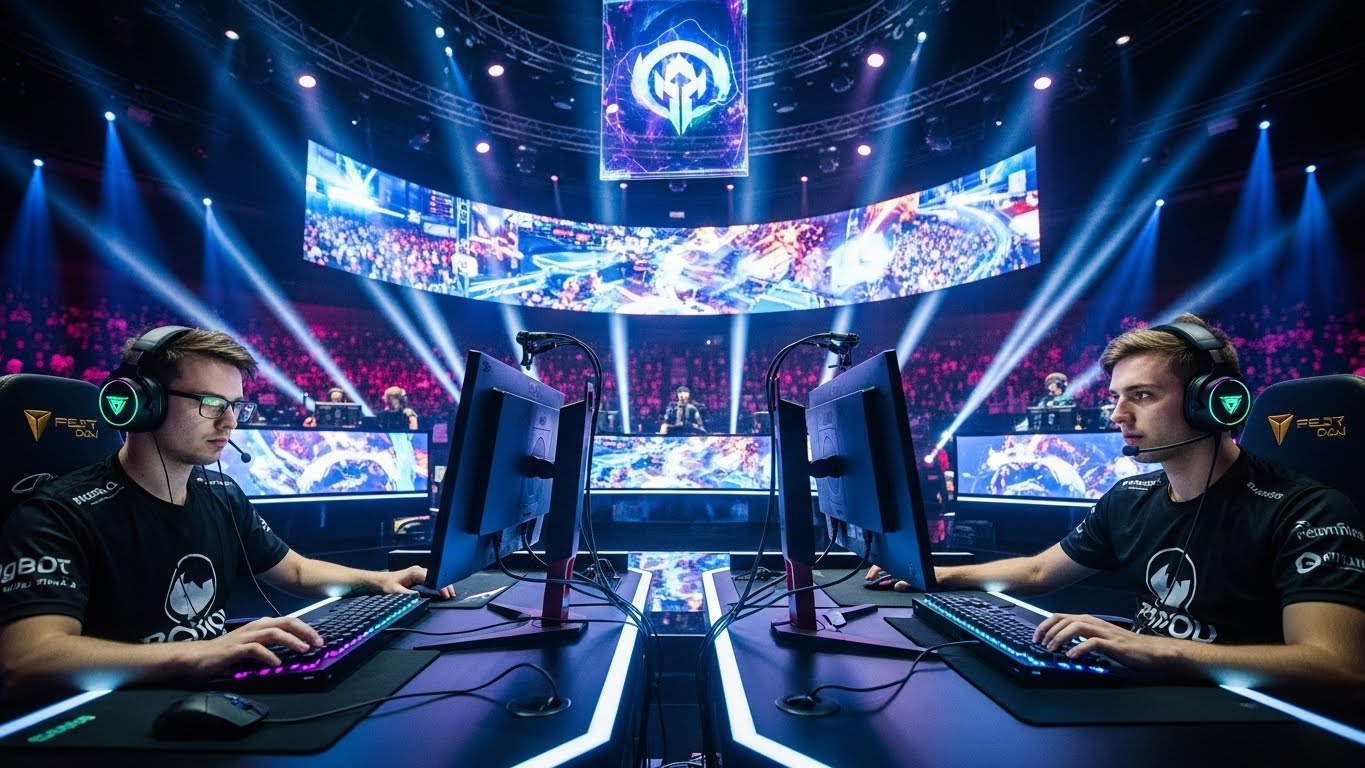
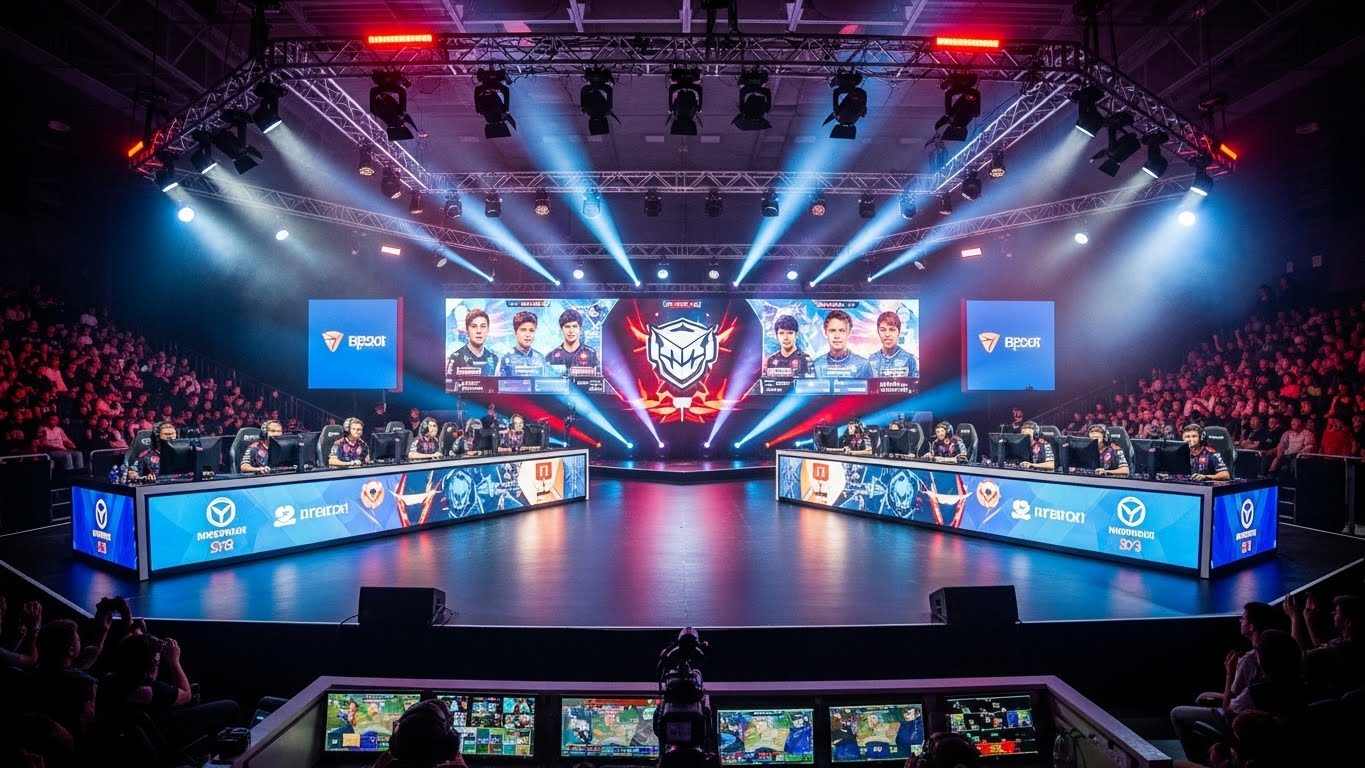
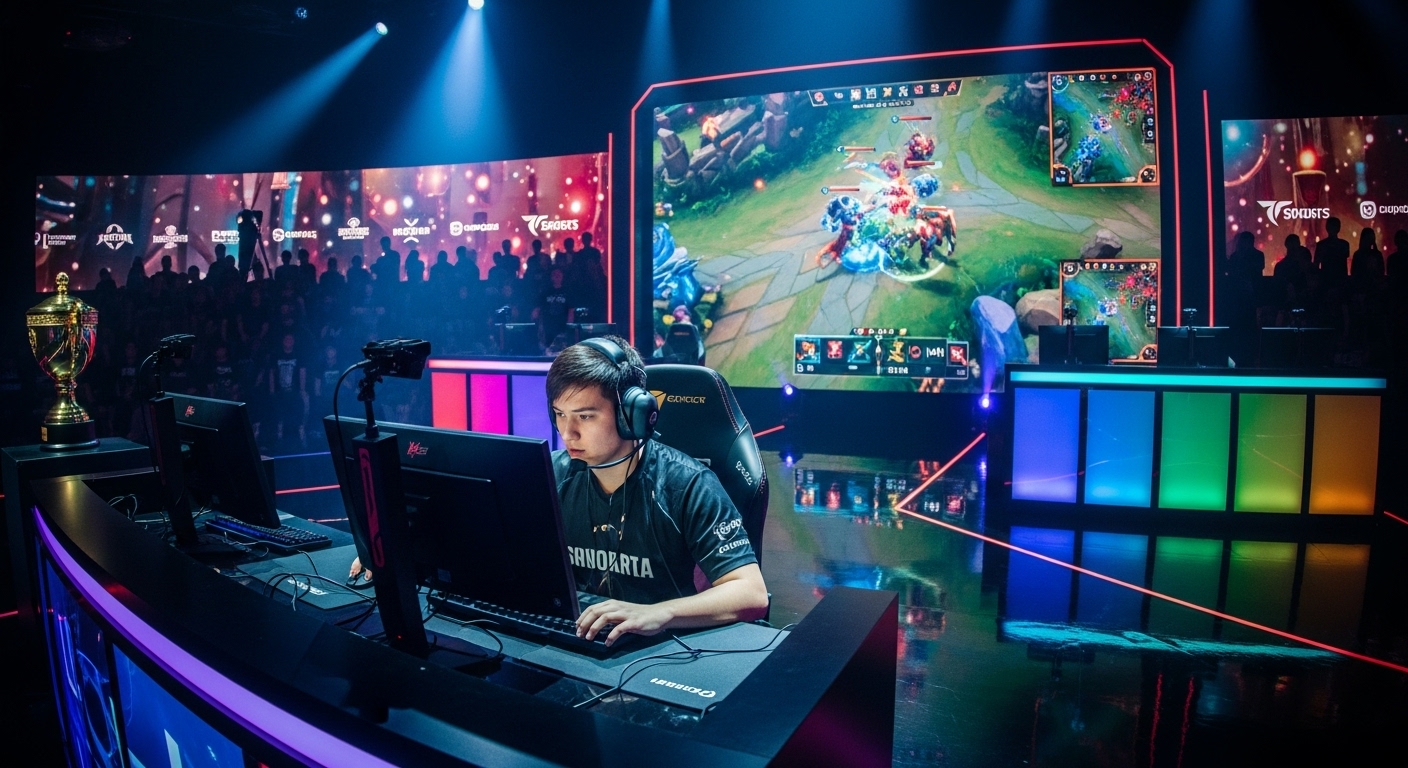
In the past, competitive sports were dominated by physical games like football, basketball, and cricket. However, the 21st century has witnessed the emergence of a new kind of competition — one that takes place not on fields or courts, but on digital screens. This phenomenon is known as esports, short for electronic sports. Esports represents organized, competitive video gaming, where professional players and teams compete in popular games before millions of spectators, both online and in physical arenas. What was once considered a pastime for hobbyists has transformed into a global industry worth billions of dollars, shaping a new culture of entertainment, competition, and technology.
The Evolution of Esports
The journey of esports began humbly. In the early 1980s, small gaming competitions were held for classic arcade titles like Space Invaders and Pac-Man. These local contests attracted enthusiasts who saw gaming as more than just fun — it was about skill, precision, and strategy. However, esports truly began to evolve in the late 1990s and early 2000s, fueled by the rise of personal computers and online multiplayer games.
Titles like StarCraft, Counter-Strike, and Warcraft III became the backbone of the first esports tournaments. These games introduced global communities of players who competed online, often representing teams or countries. The introduction of broadband internet made online competition faster and more reliable, allowing players to challenge opponents worldwide. As streaming platforms like Twitch and YouTube Gaming emerged, esports gained an unprecedented level of exposure, reaching millions of fans across the globe.
Popular Games That Shaped the Esports Landscape
Esports is not limited to one type of game or genre. It encompasses various categories, each with its own loyal fanbase and professional leagues.
1. Multiplayer Online Battle Arenas (MOBA):
Games like League of Legends and Dota 2 dominate this category. MOBA titles require players to work in teams, controlling characters with unique abilities to destroy the opponent’s base. These games demand teamwork, quick decision-making, and strategy, making them popular choices for international tournaments.
2. First-Person Shooters (FPS):
Titles such as Counter-Strike: Global Offensive, Valorant, and Call of Duty have long been staples in esports. They test a player’s reflexes, accuracy, and tactical thinking. FPS tournaments attract huge audiences, with teams competing for multi-million-dollar prize pools.
3. Battle Royale Games:
The rise of games like Fortnite and PUBG brought a new dimension to esports. These games combine survival mechanics with large-scale competition, where players must be the last one standing. Fortnite, in particular, has blurred the line between gaming and entertainment, with celebrity collaborations and massive global events.
4. Sports Simulations and Fighting Games:
FIFA, NBA 2K, and Street Fighter continue to represent the spirit of traditional sports and one-on-one competition in the esports ecosystem. They attract players who appreciate realism and technical mastery.
5. Real-Time Strategy and Card Games:
Games such as StarCraft II and Hearthstone appeal to players who prefer mental agility and strategic foresight. Though not as visually explosive as other genres, they are deeply respected within the community for their tactical complexity.
The Professional Esports Ecosystem
The structure of professional esports is remarkably similar to traditional sports. There are teams, coaches, analysts, and managers. Players undergo rigorous training sessions, practicing for hours each day to master gameplay mechanics, teamwork, and communication. Teams compete in organized leagues and tournaments that span from local qualifiers to global championships.
The financial aspect of esports has grown exponentially. Prize pools for top-tier events often exceed several million dollars. For example, major tournaments like The International for Dota 2 and the League of Legends World Championship offer record-breaking rewards. Sponsorships and brand endorsements have become major sources of income, with companies from industries like technology, energy drinks, and fashion investing heavily in esports organizations.
Moreover, esports organizations have begun to function like traditional sports franchises. They sign contracts with players, maintain training facilities, and even offer health and wellness programs to prevent burnout. The professionalization of the industry has helped esports gain legitimacy and attract attention from mainstream media and investors.
The Role of Streaming and Media
One of the biggest factors behind the meteoric rise of esports is streaming. Platforms like Twitch, YouTube Gaming, and Facebook Gaming have revolutionized how fans consume content. Unlike traditional sports, where broadcasting rights are controlled by television networks, esports thrives in an open digital environment where anyone can tune in to watch live matches, interviews, and behind-the-scenes footage.
Streaming has also democratized the industry. Aspiring players can showcase their skills online, building fanbases and catching the attention of professional teams. Commentators and analysts, often called “casters,” add entertainment value by providing play-by-play commentary, analysis, and humor, making esports broadcasts as exciting as any live sports event.
Social media further amplifies this effect. Highlights, memes, and short clips circulate rapidly, keeping fans engaged and growing the global esports community.
Esports as a Career Path
Once dismissed as a waste of time, gaming has now become a viable career choice. Professional players can earn significant incomes through tournament winnings, sponsorships, and streaming revenue. In addition to players, the esports ecosystem supports a range of professions including game designers, event organizers, coaches, analysts, commentators, and social media managers.
Many universities worldwide have even begun offering esports scholarships and degree programs in game management, digital marketing, and game design. Countries like South Korea, China, and the United States lead in recognizing esports as a legitimate career field. This institutional support not only nurtures talent but also legitimizes esports as an essential part of modern entertainment culture.
Global Impact and Cultural Significance
Esports is more than just competition; it is a global cultural movement. International tournaments bring together fans and players from all over the world, transcending language and national barriers. The shared excitement of cheering for teams, analyzing plays, and celebrating victories has built a sense of community among millions.
In countries like South Korea, esports has become part of national pride. Star players are treated like celebrities, appearing on television and endorsing major brands. Meanwhile, countries such as China and the United States have made significant investments in esports infrastructure, creating dedicated arenas and training facilities.
Esports has also been instrumental in bridging the gap between generations. Parents who once questioned gaming are now attending tournaments with their children. This evolving perception highlights how digital entertainment can foster understanding and shared experiences across age groups.
Challenges Facing the Esports Industry
Despite its growth, esports faces several challenges. One major issue is player burnout. Professional gamers often train for long hours, which can lead to physical and mental strain. The industry is gradually introducing measures such as health programs and rest periods to address this.
Another challenge is maintaining fair play and integrity. Cheating, match-fixing, and hacking pose threats to the credibility of competitions. Esports organizations have responded by implementing strict regulations, anti-cheat technologies, and disciplinary systems.
Furthermore, gender diversity remains limited. While female gamers have achieved notable success, the scene continues to be male-dominated. However, efforts are being made to create inclusive environments, encouraging women and marginalized groups to participate and thrive in esports.
Lastly, the sustainability of the industry is under discussion. With increasing commercialization, some fear that esports may prioritize profits over community values. Maintaining balance between business growth and authentic competition is crucial for the long-term health of the industry.
The Future of Esports
The future of esports looks brighter than ever. With advancements in technology such as virtual reality, augmented reality, and artificial intelligence, the way games are played and experienced will continue to evolve. Virtual arenas and immersive spectator experiences will redefine how audiences engage with esports.
Educational institutions are expected to play an even larger role, incorporating esports into academic programs and campus life. Governments in various countries are recognizing esports as an official sport, granting it the same status as traditional athletics. This recognition could open doors for inclusion in multi-sport events, such as the Olympics, in the near future.
As 5G and cloud gaming technologies mature, access to competitive gaming will become more inclusive, allowing players from developing regions to participate on a global stage. Esports will not just be about competition — it will be a universal language of entertainment, technology, and creativity.
Conclusion: A New Era of Competition
Esports has transformed from a niche hobby into a global phenomenon that redefines what it means to compete and entertain. It has bridged cultures, created new opportunities, and reshaped the entertainment industry for the digital age. With its combination of skill, strategy, and community, esports represents the future of global competition — a world where pixels, passion, and performance meet to create the ultimate sporting spectacle.
As technology continues to evolve and society becomes more digitally interconnected, esports will stand as a symbol of human adaptability and innovation. What began as simple gaming has now become a powerful force that inspires millions, proving that competition in the digital realm is just as real, emotional, and thrilling as any physical sport.