Introduction: The Rise of Esports
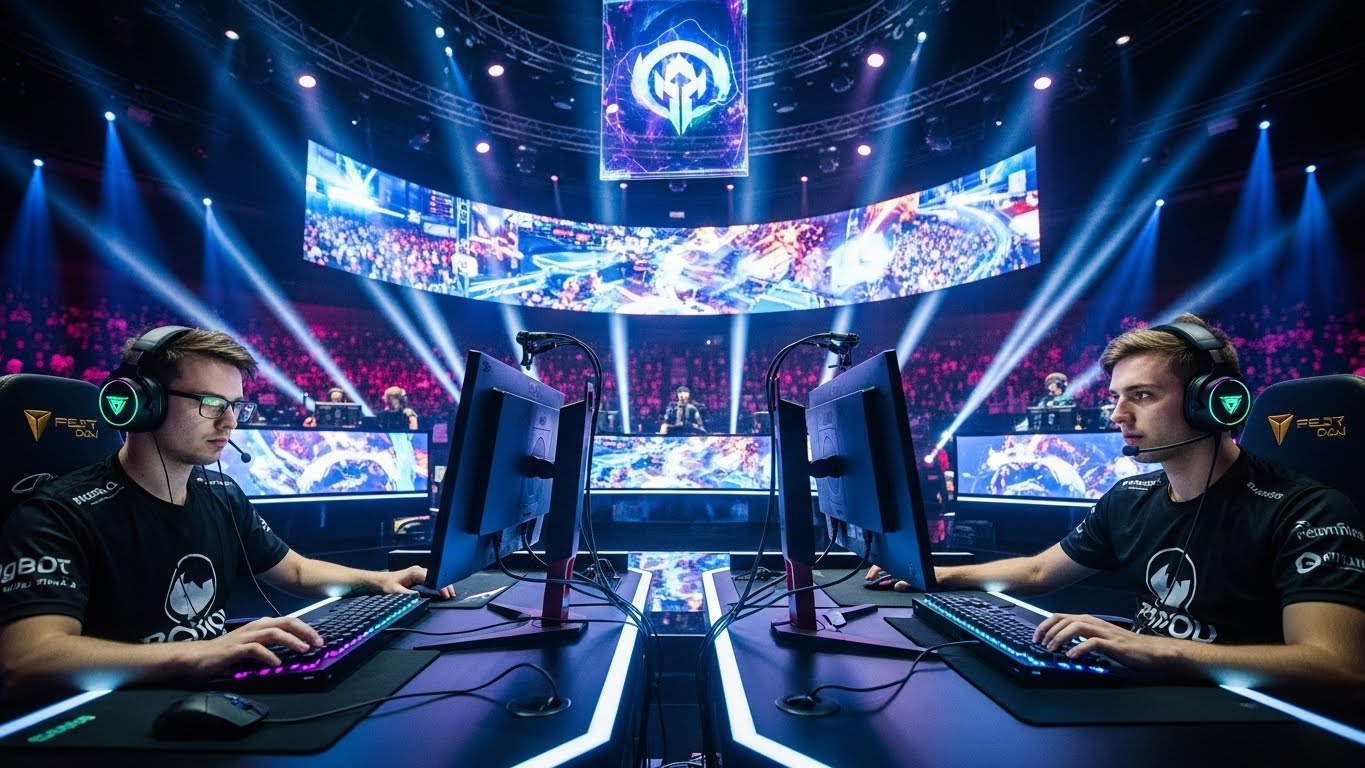
Esports, short for electronic sports, has evolved from niche gaming competitions into a global phenomenon. What once began as casual multiplayer games played among friends has transformed into a billion-dollar industry with professional players, teams, leagues, and massive international tournaments. Esports has not only redefined competition but has also created a new culture of entertainment, community, and professional opportunity. This blog explores how esports impacts players, fans, economies, and society at large.
The Evolution of Competitive Gaming
The roots of esports date back to the late 1970s and 1980s, when arcade games and early home consoles gained popularity. Early competitions were simple, with high score challenges and local tournaments. Titles like Pong and Space Invaders marked the beginning of gaming as a competitive endeavor. By the 1990s, the rise of personal computers and online connectivity enabled multiplayer competitions, giving birth to iconic games like StarCraft, Counter-Strike, and Quake.
The 2000s saw the formation of structured esports leagues, sponsorships, and streaming platforms. Today, games like League of Legends, Dota 2, Fortnite, and Call of Duty dominate the esports landscape. International tournaments draw millions of viewers, rivaling traditional sports events in scale, fan engagement, and prize money. The evolution of esports demonstrates how technology and passion can transform entertainment into professional sport.
Esports as a Professional Career
Esports is no longer just a hobby; it is a legitimate career path. Professional players dedicate hours of practice daily to master mechanics, strategy, and teamwork. Top players compete in regional and global leagues, representing teams sponsored by major corporations and earning substantial salaries, tournament prizes, and endorsements.
Beyond players, esports provides opportunities for coaches, analysts, broadcasters, event organizers, and content creators. Just as traditional sports have ecosystems surrounding the athletes, esports thrives on a network of professionals contributing to the growth of the industry. For many young people, esports represents a viable career option, combining passion with livelihood.
Mental and Cognitive Benefits of Esports
Contrary to stereotypes, esports offers several cognitive benefits. High-level gameplay requires intense concentration, strategic thinking, problem-solving, and split-second decision-making. Players must anticipate opponents’ moves, manage limited resources, and adapt strategies in real time, enhancing mental agility and critical thinking skills.
Esports also improves hand-eye coordination, reflexes, and multitasking abilities. Strategic games teach planning and analysis, while team-based games develop communication, leadership, and collaboration. Additionally, gaming can foster perseverance and resilience, as players learn to cope with failure, adjust tactics, and remain motivated under pressure.
Physical Health and Esports: Finding Balance
While esports primarily involves sitting and screen time, players are increasingly recognizing the importance of physical health. Professional teams often integrate exercise routines, proper nutrition, and mental wellness programs to maintain peak performance. Physical fitness improves reflexes, endurance, and overall well-being, helping players sustain long practice sessions and competitions.
Esports also emphasizes the importance of ergonomics, including proper seating, posture, and eye care. By balancing gaming with physical activity, players can prevent injuries, reduce fatigue, and enhance longevity in competitive gaming careers. Maintaining this balance is essential for a healthy and sustainable esports lifestyle.
Esports and Community Building
One of the most remarkable aspects of esports is its ability to create communities. Players, fans, and content creators form networks of shared interest across the globe. Online streaming platforms, forums, and social media allow fans to engage with tournaments, discuss strategies, and connect with like-minded individuals.
Community engagement fosters inclusion and diversity. Esports transcends geographic, cultural, and language barriers, enabling people from different backgrounds to connect through gaming. Local gaming clubs, university esports teams, and online leagues provide social support, friendship, and a sense of belonging, emphasizing the communal power of esports beyond competition.
Esports as Entertainment
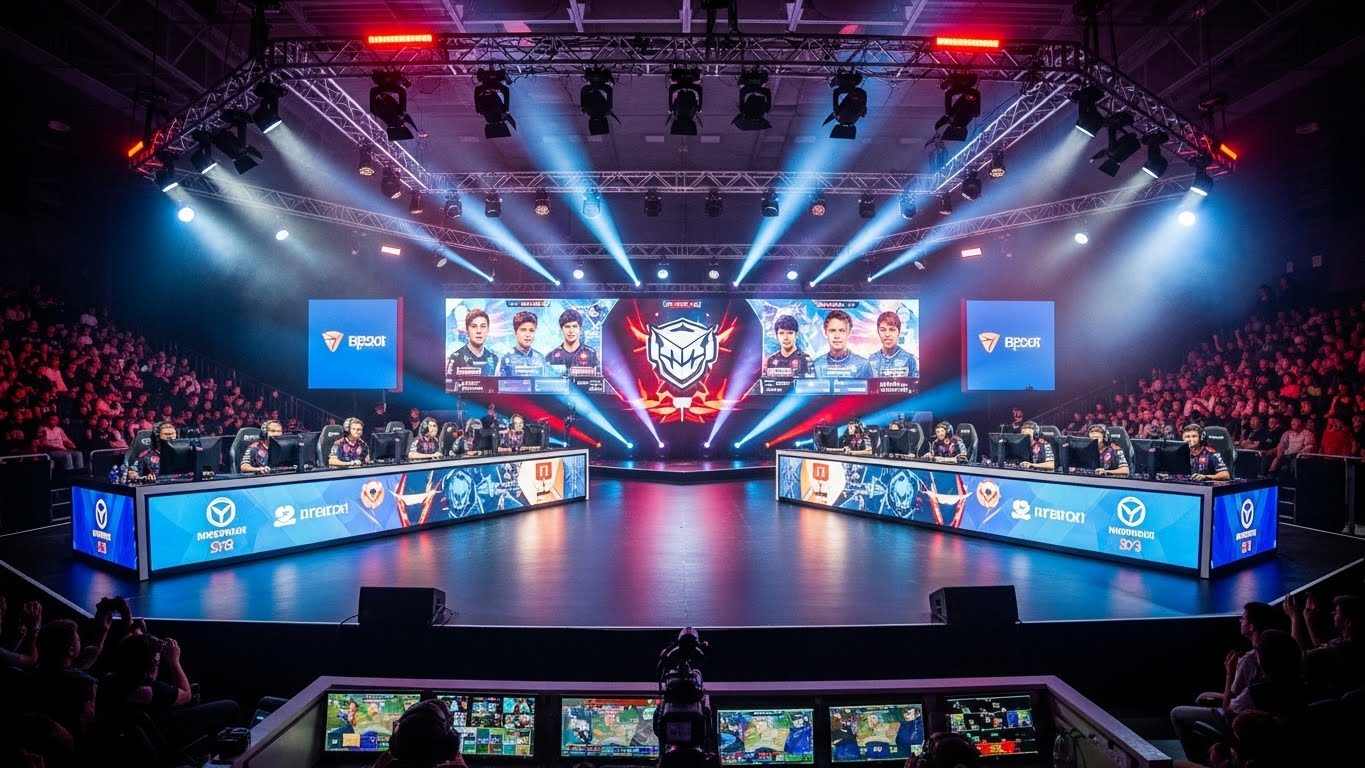
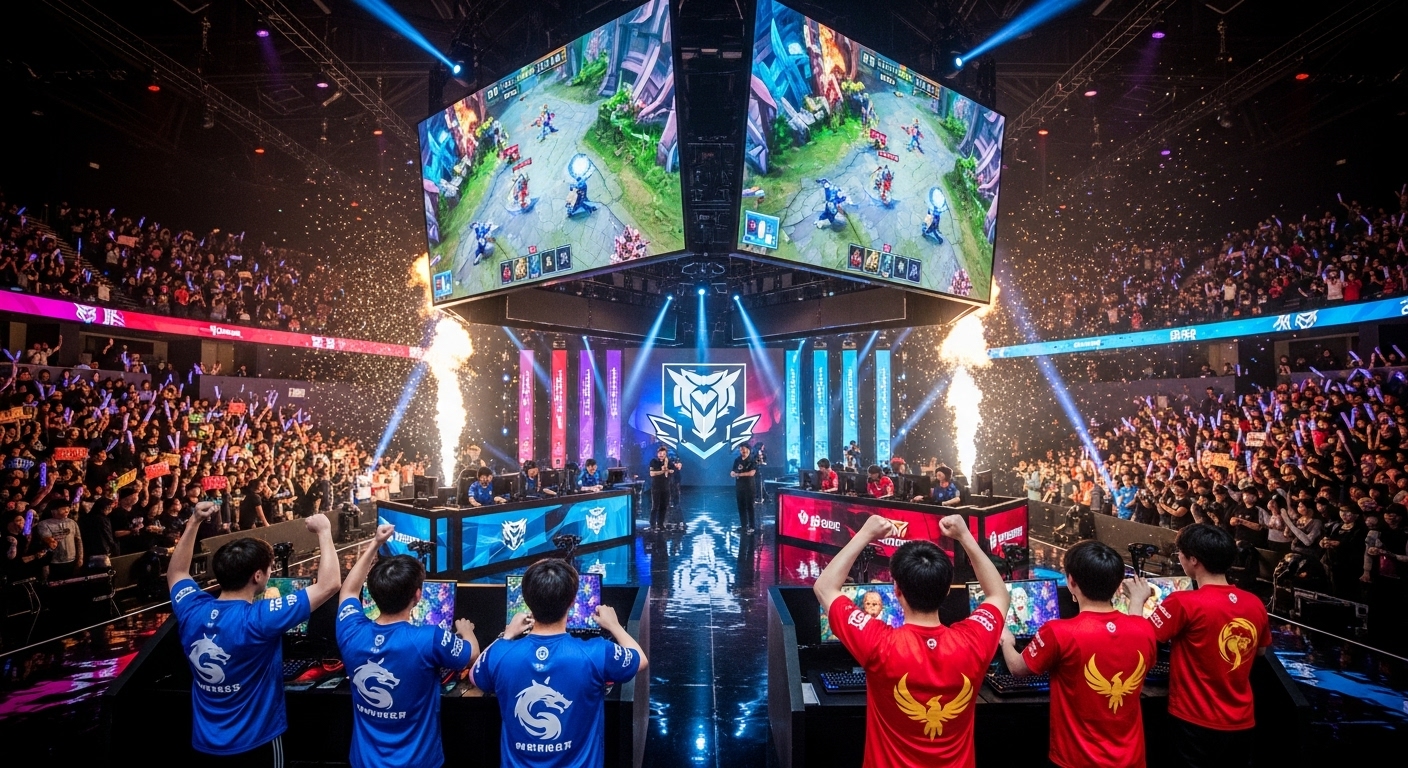
Esports has become a major form of entertainment, attracting millions of viewers worldwide. Tournaments are broadcast live with professional commentary, analysis, and high-quality production. Fans experience the same excitement, tension, and thrill traditionally associated with sports, but through digital gameplay.
Streaming platforms allow viewers to interact with players in real time, ask questions, and participate in discussions. Content creation, such as highlight reels, tutorials, and fan commentary, adds layers to the viewing experience. Esports entertainment is not just about watching games—it is about immersing oneself in a shared cultural phenomenon.
Economic Impact of Esports
Esports has emerged as a powerful economic force. Global revenue comes from sponsorships, advertising, media rights, merchandise, and ticket sales for live events. Major corporations invest in teams, tournaments, and content creation, recognizing the growing audience and engagement potential.
Local economies also benefit from esports. Hosting tournaments generates revenue for hotels, restaurants, and transportation, similar to traditional sporting events. Universities and schools integrating esports programs attract students, creating educational and career opportunities. The economic significance of esports extends from professional players to entire industries supporting competitive gaming.
Technology and Innovation in Esports
Technology drives esports at every level. Advanced hardware, high-speed internet, cloud gaming, and virtual reality enhance gameplay and viewing experiences. Analytics tools help players refine strategies, measure performance, and make data-driven decisions.
Esports broadcasting also relies on technology for high-quality streaming, real-time commentary, and interactive fan engagement. Innovations in graphics, virtual arenas, and augmented reality continue to elevate esports, blending gaming, entertainment, and digital interaction in unique ways.
Education and Esports
Esports is increasingly integrated into education. Schools and universities establish esports programs, offering scholarships, competitions, and career pathways. Students gain opportunities to develop teamwork, leadership, strategic thinking, and time management skills, all of which translate into academic and professional success.
Esports in education also teaches digital literacy, critical thinking, and communication skills. It encourages students to explore technology, gaming design, and content creation, preparing them for emerging careers in a digital world. By combining learning and competition, esports bridges the gap between recreation and professional growth.
Inclusivity and Diversity in Esports
Esports is accessible to a wide range of players, regardless of physical ability, gender, or background. Unlike traditional sports, which may require specific physical attributes, esports emphasizes skill, strategy, and mental agility. This creates opportunities for people from diverse backgrounds to compete at high levels.
Women’s esports is gaining momentum, challenging stereotypes and promoting equality. Mixed-gender competitions and dedicated programs provide inclusive platforms for female gamers. Adaptive esports programs also ensure that individuals with disabilities can participate, highlighting the industry’s potential to embrace diversity and foster equal opportunities.
The Global Reach of Esports
Esports is a truly global phenomenon. Competitive players, teams, and fans span every continent. International tournaments, such as world championships and invitational leagues, draw participants and audiences from multiple countries, creating a shared global culture around gaming.
Esports facilitates cultural exchange, encouraging players and fans to learn about new countries, traditions, and communities. It also promotes collaboration and diplomacy through shared interests and competition. The global reach of esports demonstrates its ability to unite people beyond borders in ways traditional sports continue to evolve toward.
Challenges Facing Esports
Despite its growth, esports faces several challenges. Mental and physical strain, including burnout, eye strain, and repetitive stress injuries, affect professional players. Maintaining a healthy balance between practice, competition, and personal life is essential for long-term success.
The industry also grapples with issues of inclusivity, harassment, and fair play. Ensuring ethical practices, promoting diversity, and protecting players’ well-being are ongoing priorities. Additionally, regulation and standardization of esports leagues, tournaments, and contracts are still developing, requiring attention from governing bodies.
The Future of Esports
The future of esports is bright and transformative. Advancements in technology, including virtual reality, augmented reality, and AI-driven analytics, will redefine gameplay and audience engagement. Esports will continue to expand in education, entertainment, and professional opportunities.
As the industry matures, inclusivity, ethical governance, and player welfare will become key priorities. Esports has the potential to shape careers, build communities, and create new forms of global entertainment that rival traditional sports. Its evolution reflects broader cultural shifts toward digital interaction, innovation, and connectivity.
Conclusion: Why Esports Matters
Esports is more than gaming—it is a cultural, economic, and social phenomenon shaping the modern world. It develops cognitive and physical skills, fosters teamwork, and provides career opportunities. Esports builds communities, entertains millions, and transcends geographic, cultural, and social boundaries.
Whether as a player, fan, educator, or professional, esports offers opportunities for growth, connection, and achievement. It challenges traditional notions of competition and entertainment while inspiring innovation and creativity. In the digital age, esports is not just a pastime—it is a powerful force redefining how we play, compete, and connect globally.