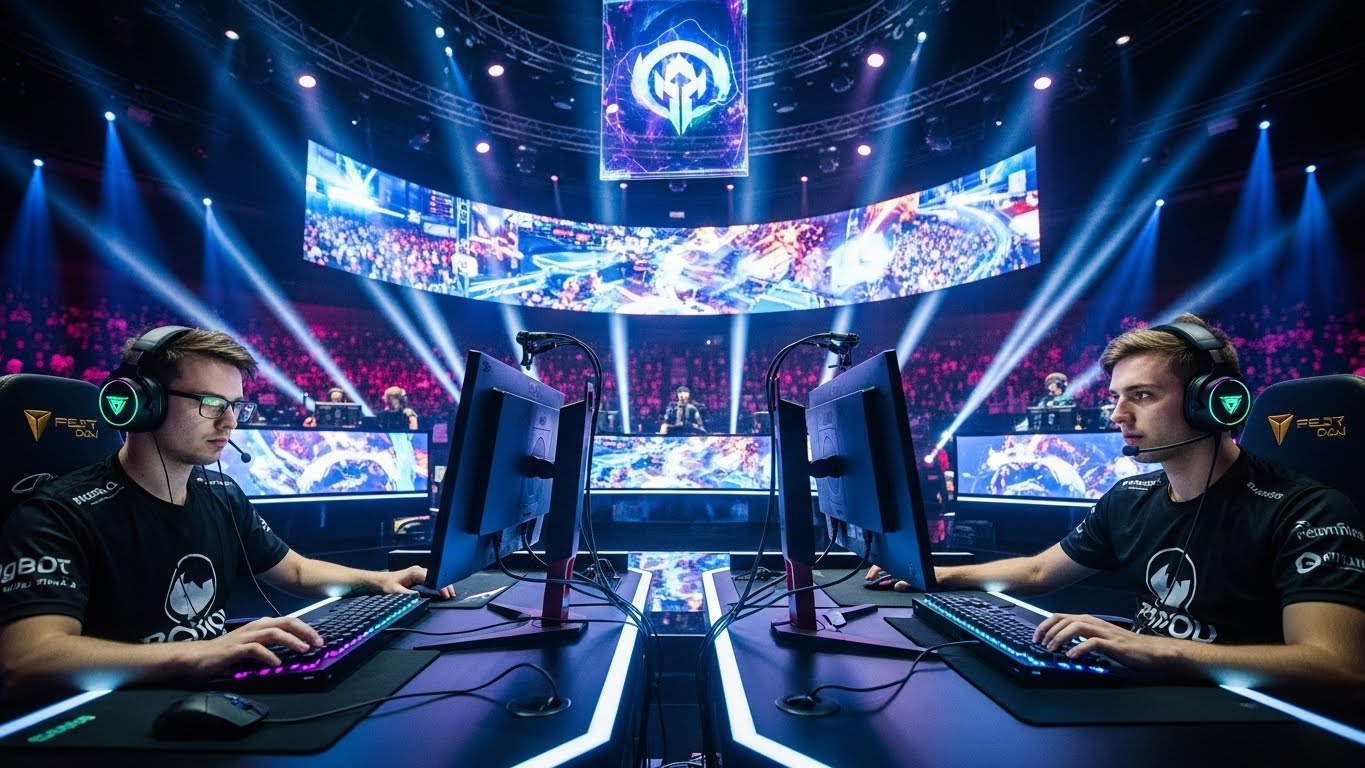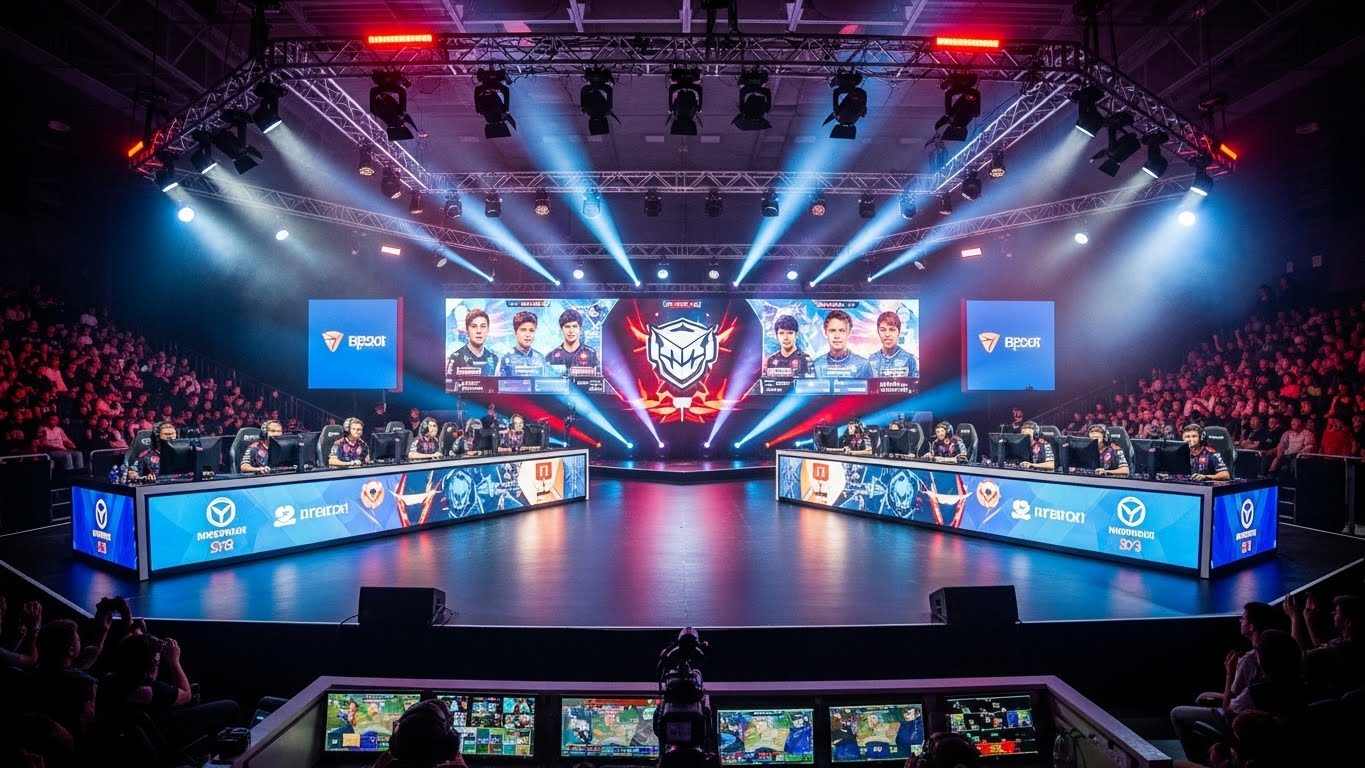
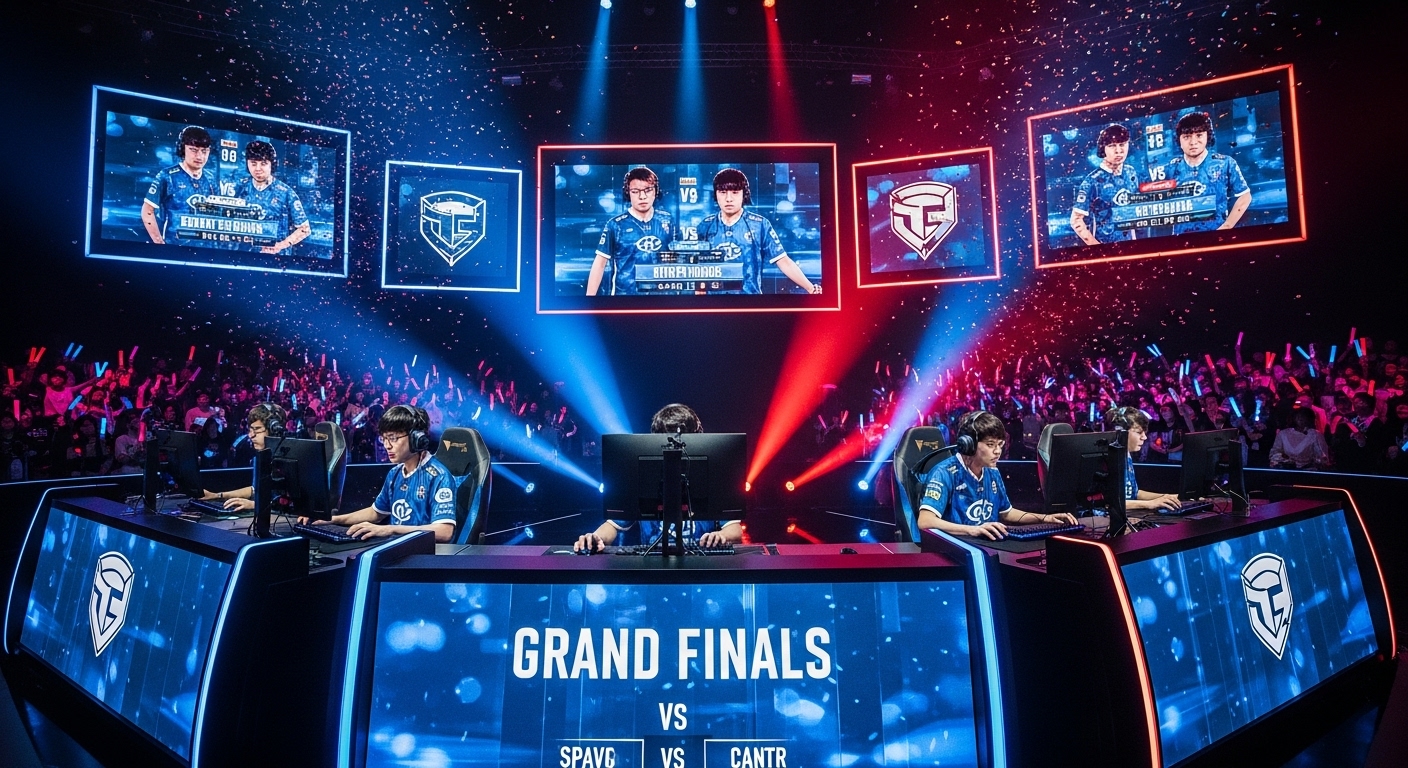
Esports, short for electronic sports, has emerged from humble beginnings as a niche activity into a global cultural phenomenon. What was once a hobby for dedicated gamers has now evolved into a multi-billion-dollar industry, attracting millions of fans, professional athletes, and high-profile sponsors from around the world. The world of esports is more than just gaming; it is a unique intersection of entertainment, competition, and technology that is rapidly reshaping the landscape of sports.
In this blog post, we will explore the rise of esports, the factors contributing to its growth, its impact on traditional sports, and the future of this exciting industry.
The Rise of Esports: From Niche to Mainstream
Esports traces its origins to the early days of competitive video gaming. In the 1970s, a game called Spacewar! was played at various universities across the United States, setting the foundation for competitive gaming. However, the real turning point came in the late 1990s and early 2000s when games like StarCraft, WarCraft, and Counter-Strike introduced online multiplayer elements that allowed players from different regions to compete against one another.
One of the most significant milestones in esports history was the rise of StarCraft in South Korea. The game gained immense popularity, particularly among younger audiences, and by the early 2000s, professional gaming leagues began to emerge. These leagues, such as the Korean Pro-Gaming League (KPL), were instrumental in establishing the competitive gaming culture that would go on to shape the modern esports industry.
The early 2000s also saw the establishment of Major League Gaming (MLG) in the United States, which began organizing tournaments for games like Halo and Call of Duty. These events attracted larger audiences, and for the first time, gamers were able to compete for significant cash prizes, elevating esports to a more serious level.
Esports Today: A Multi-Billion-Dollar Industry
Fast forward to today, and esports is no longer just a hobby; it is a full-fledged industry with a market value estimated at over $1 billion. Esports is broadcasted on platforms such as Twitch, YouTube Gaming, and Facebook Gaming, with millions of fans watching live streams of tournaments and events. Games like League of Legends, Dota 2, Fortnite, and Counter-Strike: Global Offensive now host global competitions, drawing audiences from all corners of the world.
Esports has evolved into a highly competitive ecosystem, with professional teams, coaches, analysts, and casters involved in every facet of the competition. Players often train for several hours a day, refining their gameplay, improving team communication, and developing strategies to stay ahead of their competition. Just like traditional athletes, esports players dedicate their time to mastering their craft, and many have risen to celebrity status.
Prize pools in major esports tournaments have skyrocketed, with some events offering millions of dollars in rewards. The International, an annual Dota 2 tournament, has become one of the most lucrative events in the world, with prize pools exceeding $40 million in recent years. This surge in prize money has not only attracted top-tier players but also brought attention from mainstream media and global brands.
The Global Appeal of Esports
One of the most remarkable aspects of esports is its global reach. Unlike traditional sports, which are often geographically limited, esports can be played and watched by people all over the world. Online gaming has connected players from different countries, allowing them to compete against each other without leaving their homes. This global connectivity is one of the primary reasons why esports has become such a cultural phenomenon.
South Korea, which is often considered the birthplace of professional esports, remains a hub for competitive gaming. South Korean players are among the best in the world, and the country’s national esports leagues are among the most well-established. However, esports is not confined to South Korea; it has grown into a global industry with a particularly strong presence in regions like North America, Europe, and China.
China, in particular, has emerged as a key player in the esports world. The country boasts one of the largest esports markets, with millions of gamers and fans. The Chinese government has even recognized esports as a legitimate career path, which has contributed to the growth of the industry. China’s top esports teams and players regularly dominate international competitions, and the country is home to some of the largest esports arenas and events in the world.
In addition to regional dominance, esports has also become a global spectacle, with major tournaments broadcasted in multiple languages. The League of Legends World Championship, held annually, is a prime example of the international appeal of esports. The event attracts millions of viewers, with finals watched by audiences that rival some of the most-watched traditional sports broadcasts in the world.
Esports vs. Traditional Sports: The Convergence
As esports continues to grow, it has drawn comparisons to traditional sports in terms of its structure, competitiveness, and fanbase. One of the most notable parallels is the formation of professional esports teams, which function similarly to traditional sports teams. These teams recruit talented players, hire coaches, and often have dedicated management and support staff. Just like their counterparts in traditional sports, esports teams compete in leagues and tournaments, building rivalries and fanbases along the way.
Another similarity between esports and traditional sports is the importance of sponsorships. Esports tournaments and teams attract major corporate sponsors, including global brands like Intel, Coca-Cola, Nike, and Mercedes-Benz. These companies are eager to reach the young, tech-savvy demographic that makes up the majority of esports fans. Sponsorship deals help fund tournaments, support players, and grow the overall industry.
Moreover, esports has found a significant presence in the mainstream media. Networks like ESPN and TBS have started broadcasting esports events, bringing competitive gaming to an even wider audience. Major esports tournaments, such as The International and League of Legends Worlds, are now broadcasted in prime time, and their viewership numbers continue to rise.
Despite these similarities, there are key differences between esports and traditional sports. While physical ability plays a critical role in traditional sports, esports relies primarily on cognitive skills, hand-eye coordination, and strategy. The rise of esports has also led to debates over whether it should be considered a “true” sport, with critics arguing that it lacks the physicality of traditional athletics. However, as the industry grows and becomes more professionalized, it is becoming clear that esports is here to stay and is an integral part of the modern sports landscape.
The Economic Impact of Esports
The economic impact of esports is far-reaching, with several revenue streams fueling its rapid expansion. Sponsorship deals, broadcasting rights, merchandise sales, and ticket sales for live events all contribute to the growing financial success of esports. In 2021, the esports industry generated more than $1.1 billion in revenue, and that number is expected to continue rising in the coming years.
One of the most significant sources of revenue for esports is sponsorship. Brands are eager to associate themselves with esports because of the large, engaged audience it attracts. Esports fans are highly loyal and spend considerable time and money following their favorite teams, players, and events. This makes esports an attractive investment for companies looking to reach a younger demographic.
Additionally, the rise of esports streaming has opened up new opportunities for monetization. Platforms like Twitch and YouTube Gaming generate significant revenue through advertising, subscriptions, and donations. Many esports tournaments are also streamed live, generating advertising revenue and attracting millions of viewers worldwide. The global popularity of esports has made it a viable business model that can rival the financial success of traditional sports.
Esports and the Future: What’s Next?
The future of esports looks incredibly promising, with the industry poised to continue its rapid growth. One of the key drivers of this growth is the continued advancement of technology. As internet speeds increase and gaming hardware becomes more powerful, esports will only become more immersive and engaging. Virtual reality (VR) and augmented reality (AR) have the potential to revolutionize how esports is played and experienced, offering fans and players new ways to interact with the digital world.
In addition to technological advancements, the growing interest in esports as a career option is opening up new opportunities for young people. Universities around the world are beginning to offer esports scholarships and degree programs in esports management, providing students with a pathway into the industry. Professional esports organizations are also expanding their operations, building training facilities and support staff to help players reach their full potential.
Finally, the inclusion of esports in major sporting events could further solidify its place in the global sports landscape. Discussions have already begun about the possibility of esports being included in the Olympic Games. While this is still a topic of debate, the increasing legitimacy of esports as a competitive activity means that its inclusion in global sporting events may not be far off.
Conclusion
Esports has come a long way since its early days as a niche hobby. Today, it is a dynamic, fast-growing industry that is reshaping the world of competition and entertainment. With millions of fans, professional players, and global sponsors, esports is no longer just a game; it is a cultural and economic force that rivals traditional sports. As technology continues to evolve and esports becomes more mainstream, it is clear that the future of competitive gaming is incredibly bright. The digital revolution is here, and esports is leading the way.