Introduction: The Rise of a Digital Phenomenon
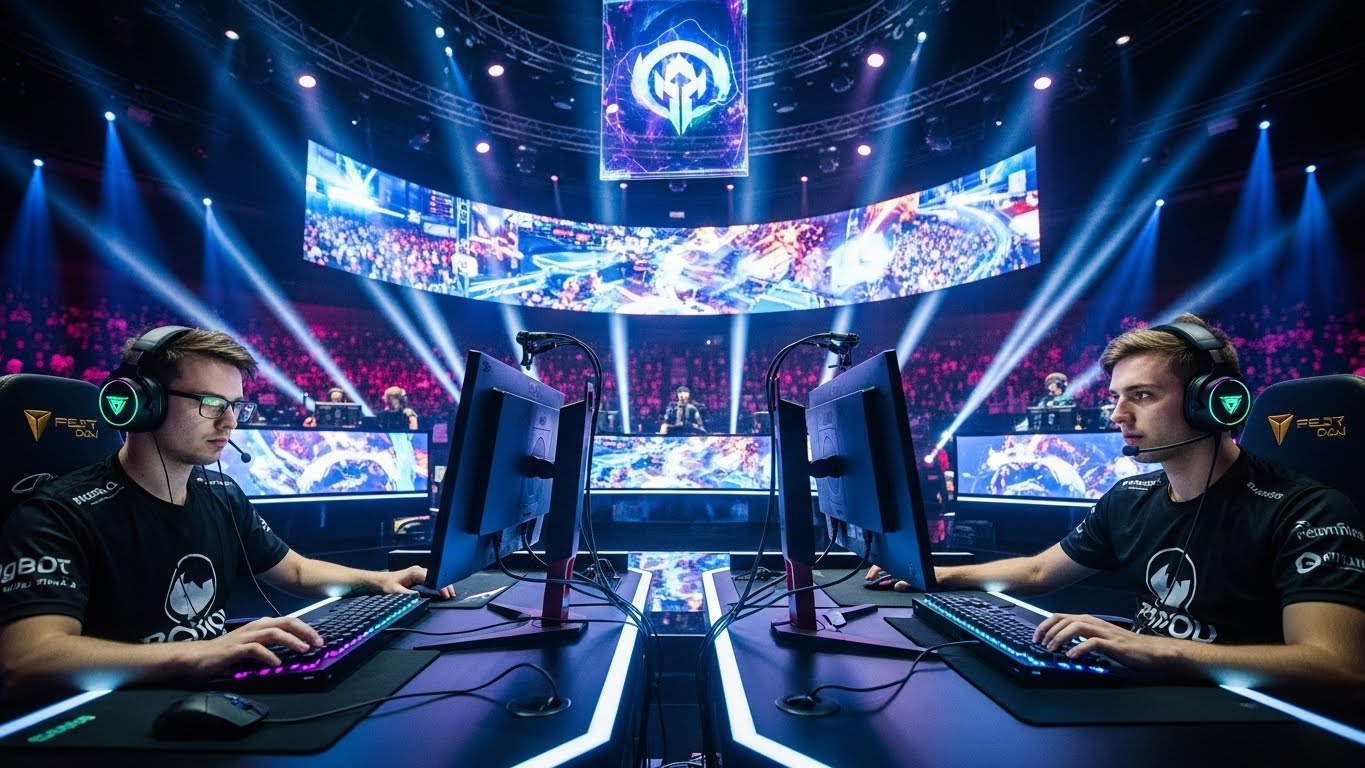
In the modern age of technology, entertainment has evolved far beyond traditional boundaries. The emergence of esports, or electronic sports, has reshaped how people perceive competition, skill, and global connectivity. What began as casual gaming among friends has grown into a global industry valued in billions, captivating audiences and transforming players into international celebrities. Esports is no longer just a niche hobby; it has become a global movement that merges technology, culture, and sportsmanship into one powerful digital ecosystem.
The Birth and Evolution of Esports
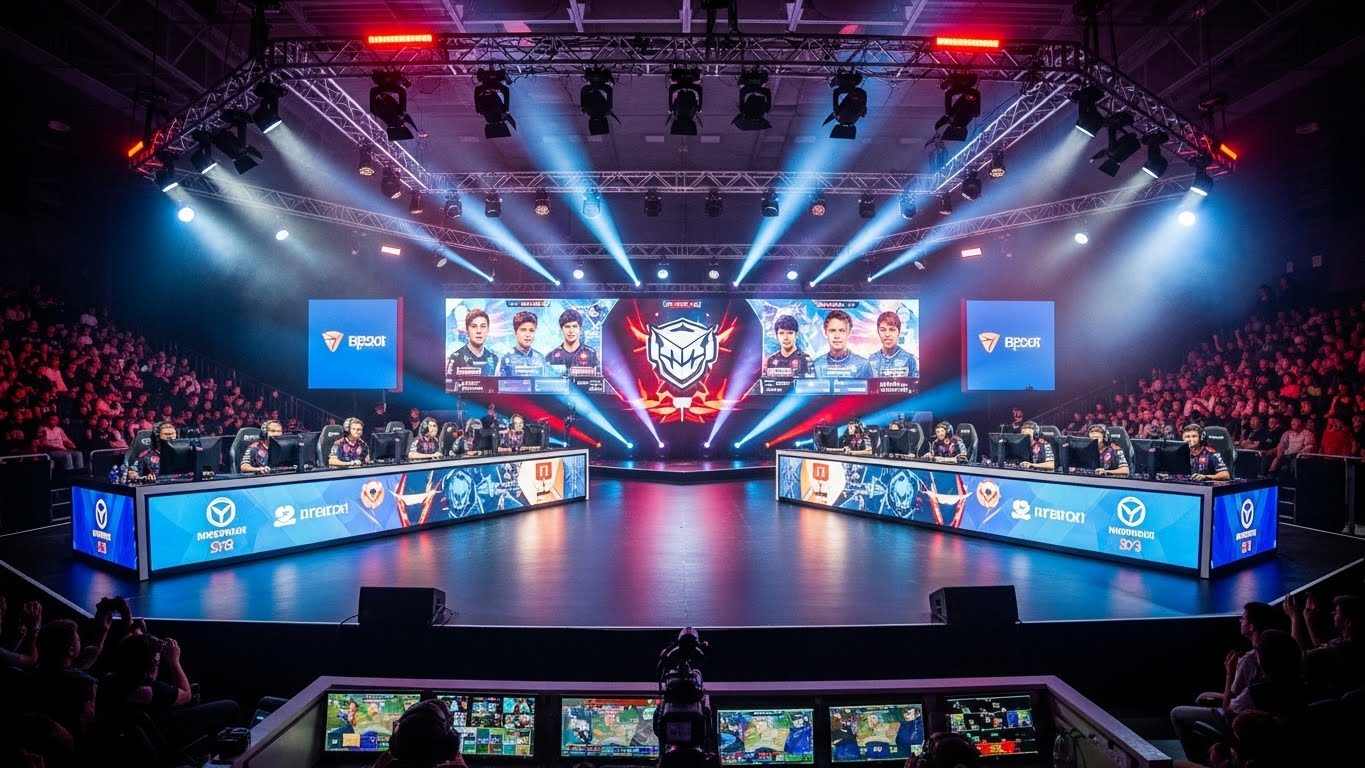
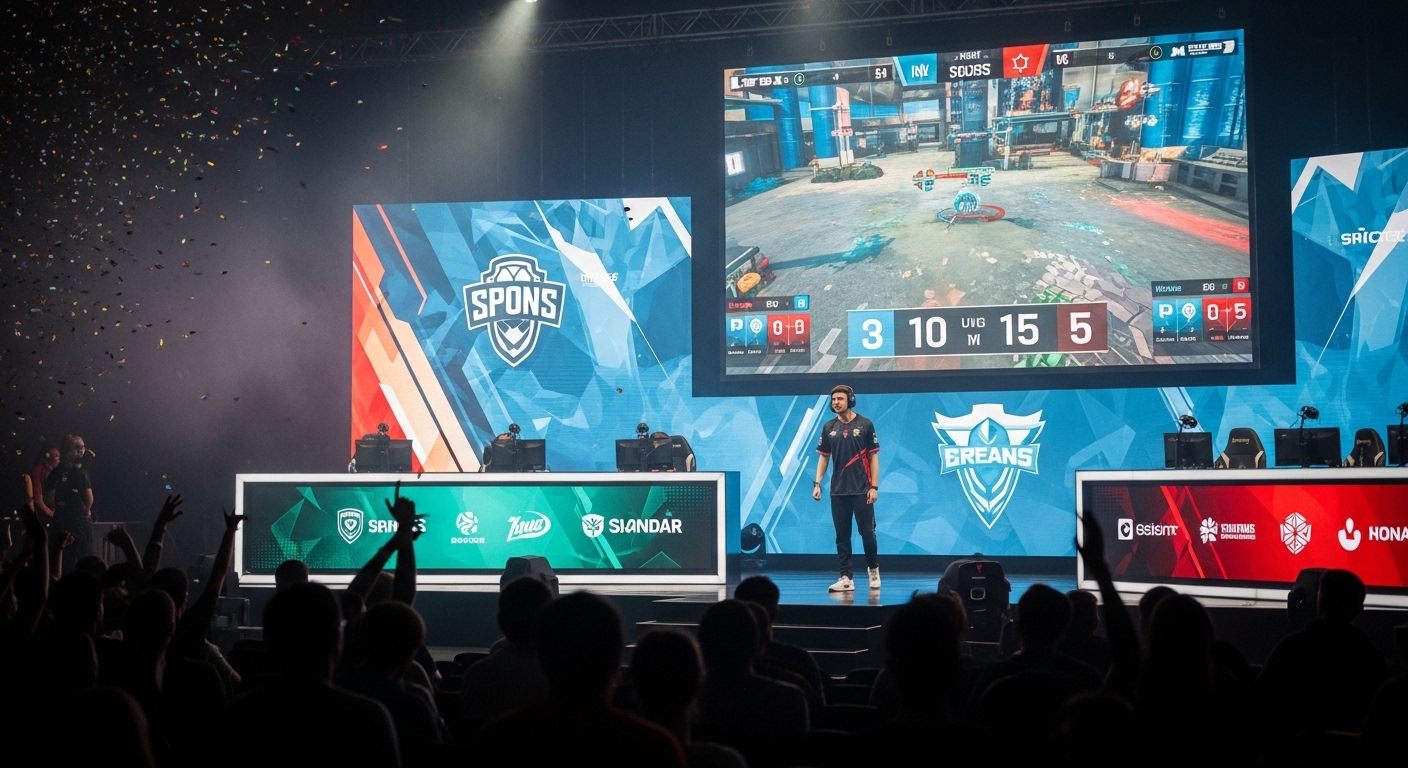
The roots of esports can be traced back to the late twentieth century when arcade gaming competitions first appeared. Early events like Space Invaders tournaments in the late 1970s were the foundation of what would later become a thriving digital sports industry. The 1990s saw the rise of home consoles and personal computers, allowing multiplayer gaming to spread rapidly. Titles like Counter-Strike, StarCraft, and Quake became pioneers of competitive gaming. By the early 2000s, esports tournaments began to attract sponsorships, professional teams, and dedicated audiences. Today, esports tournaments fill stadiums, attract millions of online viewers, and generate massive revenues through broadcasting, merchandise, and brand partnerships.
The Global Expansion of Esports
Esports has achieved unparalleled growth due to its global accessibility. Unlike traditional sports, where geographical and physical limitations often define participation, esports welcomes anyone with skill, determination, and access to technology. Asia, particularly South Korea and China, became the early powerhouses of esports, with professional gaming integrated into their cultures. North America and Europe followed quickly, establishing professional leagues and collegiate esports programs. The Middle East, Africa, and South America have also joined the global scene, nurturing new talents and fostering inclusive digital communities. This worldwide participation has created a unique cultural exchange where language barriers fade and competition unites players from every corner of the globe.
Professionalism in Esports: From Hobby to Career
Gone are the days when gaming was dismissed as a waste of time. Today, professional gamers train for hours daily, refine strategies, and collaborate with coaches, analysts, and nutritionists to enhance performance. Esports athletes sign contracts with teams, earn salaries, and participate in tournaments with prize pools worth millions. Major esports organizations operate like traditional sports franchises, complete with marketing departments, sponsorship deals, and fan engagement programs. This transformation has legitimized esports as a serious career path, inspiring younger generations to pursue their passion while maintaining discipline and commitment.
Popular Esports Titles That Dominate the Scene
The diversity of games in the esports industry contributes to its universal appeal. Different genres attract varied audiences and test unique skill sets. Multiplayer online battle arena (MOBA) games like League of Legends and Dota 2 emphasize teamwork and strategic planning. First-person shooters such as Counter-Strike: Global Offensive and Valorant highlight precision, reflexes, and communication. Battle royale games like Fortnite and Apex Legends blend survival instincts with creativity. Sports simulation titles such as FIFA and NBA 2K bring traditional athleticism into the digital realm. Each of these games fosters its own community, competitive structure, and professional ecosystem, ensuring that esports remains dynamic and ever-evolving.
The Role of Streaming and Social Media in Esports Growth
Streaming platforms and social media have played an integral role in the global expansion of esports. Live streaming allows fans to watch matches, learn strategies, and interact with their favorite players in real-time. This level of accessibility has transformed fans into active participants in the gaming culture. Streamers and content creators bridge the gap between professional competition and casual gaming, creating a vibrant ecosystem of entertainment and education. Platforms have also enabled aspiring gamers to showcase their skills, build personal brands, and connect with potential sponsors or teams. In essence, streaming has turned esports from a competitive pursuit into a global cultural experience.
Esports and Education: A New Academic Frontier
The educational world has recognized the growing importance of esports and its potential to teach teamwork, strategy, and digital literacy. Schools and universities worldwide are introducing esports programs, scholarships, and courses that explore game design, management, and broadcasting. These programs not only prepare students for careers in the gaming industry but also promote cognitive development and collaboration. Esports has become an avenue for academic research, examining the effects of gaming on reaction time, critical thinking, and teamwork. By merging education and competition, esports demonstrates that gaming can be both intellectually stimulating and professionally rewarding.
The Economic Impact of Esports
The esports industry contributes significantly to the global economy through sponsorships, media rights, event ticketing, and merchandising. Major brands from technology, fashion, and entertainment invest in esports due to its strong connection with younger audiences. Tournament organizers, game developers, and broadcasters all benefit from this financial ecosystem, which continues to expand each year. Local economies also profit when major events are hosted, as fans travel, spend, and engage with communities. Esports has also opened opportunities for freelancers, commentators, graphic designers, and event managers, creating a broad network of employment and innovation.
Inclusivity and Diversity in Esports
One of the most transformative aspects of esports is its inclusivity. Unlike traditional sports that often emphasize physical attributes, esports levels the playing field by focusing on mental agility, reflexes, and strategy. Gamers from all backgrounds, genders, and physical abilities can compete equally. Many organizations are now advocating for gender equality and representation within the gaming space. Initiatives supporting female gamers, players with disabilities, and underrepresented communities are shaping esports into a more welcoming and diverse environment. This inclusivity not only strengthens the industry but also reflects the modern world’s values of equality and opportunity.
Challenges Facing the Esports Industry
Despite its rapid growth, esports faces challenges that must be addressed to ensure long-term sustainability. Issues such as player burnout, regulatory inconsistencies, and online harassment remain major concerns. Professional gamers often experience intense pressure due to long hours of training and high expectations. Additionally, maintaining integrity in competitions through anti-cheating measures and fair play regulations is vital. Another challenge is the balance between commercialization and authenticity, as increasing corporate involvement sometimes risks alienating the core gaming community. Addressing these challenges transparently and responsibly will determine the future credibility of esports as a professional domain.
The Influence of Esports on Popular Culture
Esports has transcended gaming to become a major cultural influence. Music, fashion, and entertainment industries have all embraced gaming culture. Artists collaborate with game developers, fashion brands create esports-inspired apparel, and film producers craft stories based on gaming legends. Esports tournaments are now featured alongside traditional sports in major events and even broadcasted on television networks. This fusion of digital and mainstream culture signifies how deeply esports has embedded itself into modern entertainment. The digital arena has become a stage where creativity, competition, and technology unite to create something entirely new.
Technology Driving the Future of Esports
Technological innovation continues to push esports forward. Advancements in virtual reality, artificial intelligence, and cloud gaming are shaping how players train and compete. Enhanced internet speeds and improved gaming hardware make high-quality experiences more accessible than ever. The integration of data analytics helps teams study opponents and refine strategies. Moreover, the rise of mobile gaming has opened esports to an even broader audience, especially in regions with limited access to gaming consoles or PCs. As technology evolves, esports will continue to redefine what it means to compete and connect in the digital world.
Esports and Mental Health Awareness
With the professionalization of esports comes the growing importance of mental health support. Many organizations now recognize that success in gaming requires both mental and emotional stability. Players face stress, fatigue, and public scrutiny, much like athletes in traditional sports. Teams are hiring psychologists and wellness experts to ensure that players maintain a healthy balance between gaming and personal life. Promoting mental well-being is not only beneficial for players but also sets a positive example for fans and aspiring gamers. This shift toward mental health awareness highlights the maturity and humanity within the esports community.
The Future of Esports: A Global Legacy in the Making
Looking ahead, esports is poised to grow even further. With expanding audiences, new game releases, and integration into mainstream education and media, its influence shows no signs of slowing down. Some experts predict that esports may eventually join the Olympic Games or similar global competitions, cementing its status as a legitimate sport. Beyond competition, esports serves as a symbol of innovation and unity in a digitally connected world. It bridges generations, cultures, and industries, shaping how people experience entertainment and achievement.
Conclusion: The Era of Digital Champions
Esports has redefined what it means to be an athlete, a fan, and a part of a global community. From humble beginnings in arcades to billion-dollar stadium events, its journey reflects the boundless potential of human creativity and technology. It is not just about gaming; it is about perseverance, teamwork, and the pursuit of excellence in a digital landscape. The rise of esports marks the dawn of a new era—one where skill is measured not by physical strength but by intelligence, reflexes, and strategy. As technology continues to advance, esports will remain at the forefront of modern entertainment, inspiring millions to chase their dreams in the ever-expanding world of digital competition.