Introduction
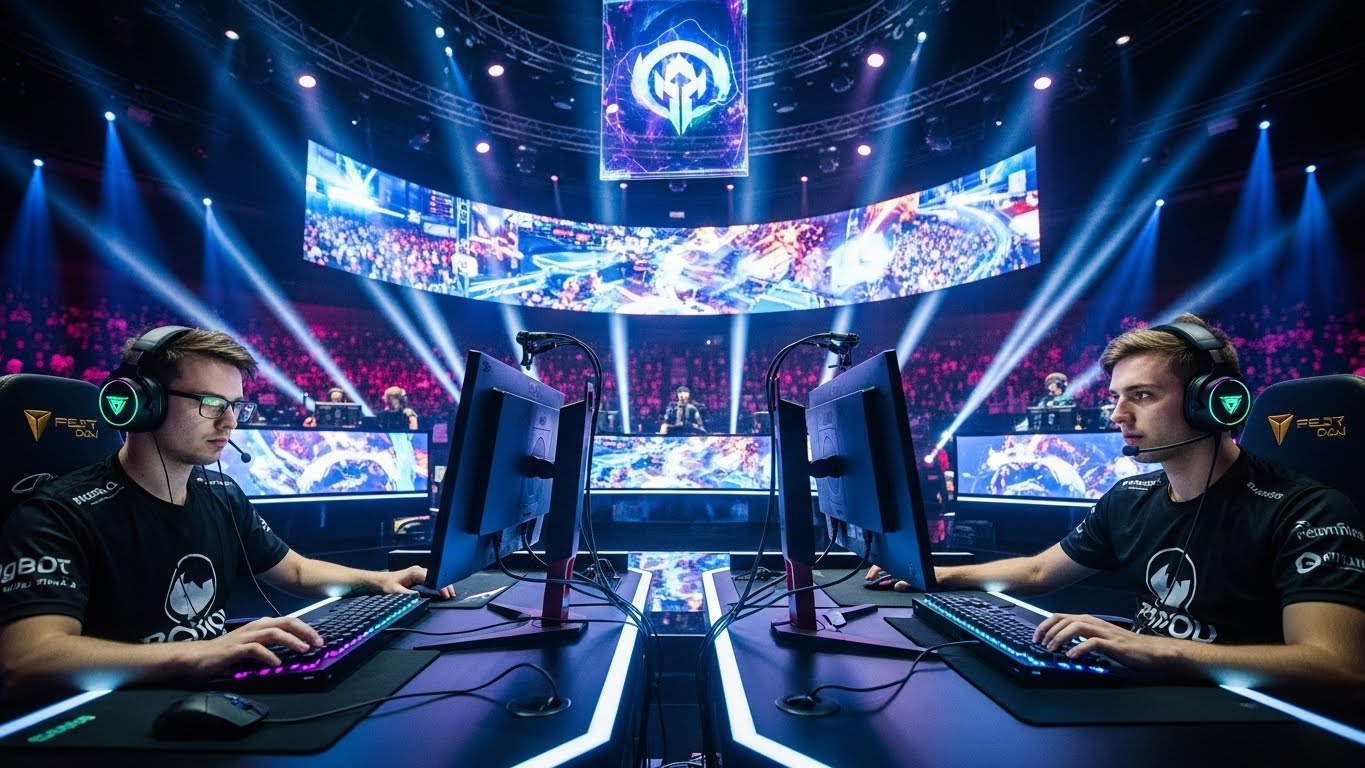
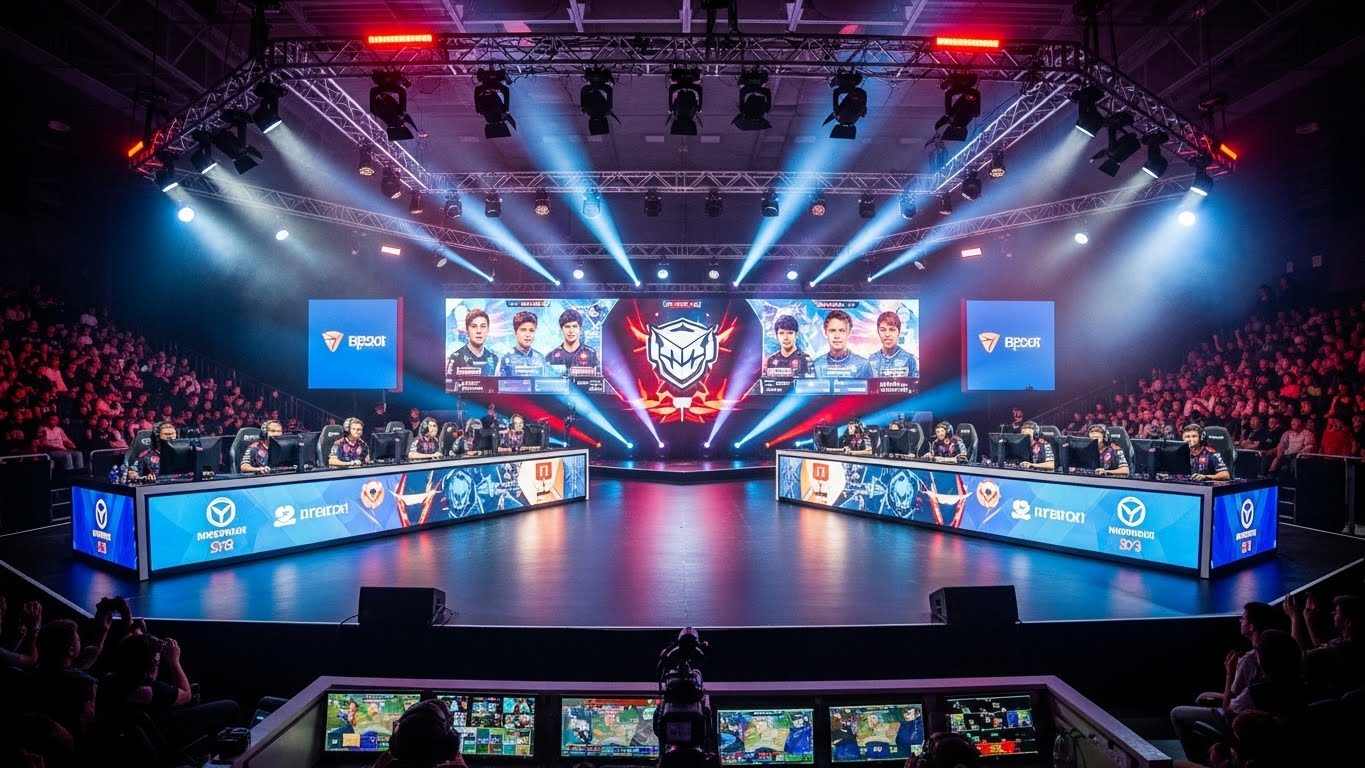
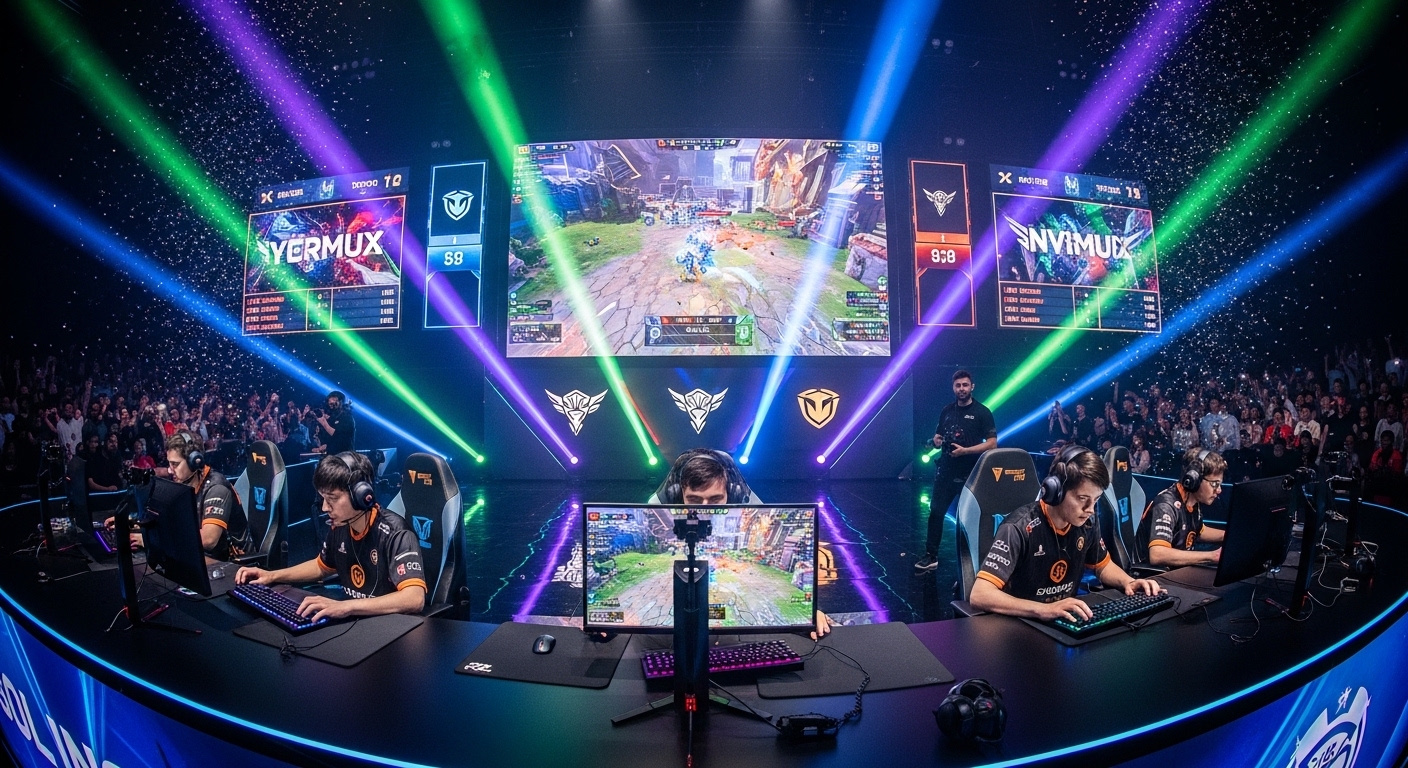
In the last two decades, the word “Esports” has evolved from an obscure concept to a mainstream global industry that rivals traditional sports in viewership, revenue, and cultural influence. What once began as small gatherings of passionate gamers competing in local venues has transformed into a billion-dollar spectacle watched by millions around the world. Esports, short for electronic sports, refers to organized, competitive video gaming, often played before live audiences and streamed to millions more online. The journey from the arcade halls of the 1980s to sold-out stadiums and massive online tournaments represents not only the growth of gaming but also the transformation of entertainment in the digital age.
Esports is no longer just a pastime; it is a career, an industry, and a lifestyle. Professional players, teams, coaches, and analysts now form an ecosystem that mirrors traditional sports in structure and sophistication. Its rapid growth has redefined what competition and fandom mean in the 21st century.
The Origins of Competitive Gaming
To understand the present, we must look at the past. Competitive gaming can trace its roots back to the early days of arcade machines and home consoles. The first recorded video game competition dates to 1972, when students at Stanford University competed in Spacewar! for a one-year subscription to Rolling Stone magazine. Though small and localized, it marked the beginning of organized video game competition.
The 1980s saw the rise of arcade culture, where players competed for high scores on machines like Pac-Man, Donkey Kong, and Space Invaders. Magazines and television programs began showcasing top players, and leaderboard glory became a symbol of gaming skill. In 1980, Atari hosted the Space Invaders Championship, which attracted more than 10,000 participants — an astounding figure for its time. This event is often considered one of the first large-scale gaming tournaments and laid the foundation for what would later become the esports movement.
The 1990s: The Internet Revolution and the Birth of Modern Esports
The 1990s changed everything. As personal computers became household items and the internet began connecting players globally, competitive gaming evolved from local gatherings to online showdowns. The rise of multiplayer games like Doom, Quake, and StarCraft introduced fast-paced, strategic competition that could be experienced across networks rather than in person.
In South Korea, StarCraft became more than just a game — it became a national obsession. By the late 1990s, dedicated gaming television channels were broadcasting matches to millions of viewers, and professional gamers became national celebrities. This early adoption of competitive gaming as a legitimate sport helped set the stage for the esports infrastructure we see today.
Meanwhile, Western countries were catching up. The Cyberathlete Professional League (CPL), founded in 1997, was one of the first organizations to treat gaming as a professional competition, offering cash prizes and formal tournaments. The establishment of LAN (Local Area Network) events like QuakeCon further strengthened the sense of community and competition among players.
The 2000s: Global Expansion and Professionalization
The early 2000s marked the beginning of esports as a truly global phenomenon. Broadband internet became more accessible, and online multiplayer games exploded in popularity. Titles like Counter-Strike, Warcraft III, Dota, and Halo created vast communities of competitive players. Gaming cafés and LAN centers became social hubs for young people eager to prove their skills.
Esports organizations and leagues began to emerge, offering players not just competition but careers. Companies like Major League Gaming (MLG) in North America and the World Cyber Games (WCG) in Asia began hosting international tournaments that attracted sponsorships, media attention, and substantial prize pools.
At the same time, gaming was becoming a spectator sport. As broadband speeds improved, streaming platforms began to appear. Before Twitch, there were platforms like Justin.tv, where players broadcasted their matches to small but passionate audiences. This accessibility gave birth to a new kind of celebrity — the professional gamer and the streamer — whose skills, personalities, and entertainment value drew in fans worldwide.
The 2010s: The Decade of Explosion
If the 2000s built the foundation, the 2010s turned esports into a global empire. Twitch, founded in 2011, revolutionized how gaming content was consumed. For the first time, fans could watch live matches, comment in real time, and follow their favorite players as they trained and competed.
During this period, major game titles became synonymous with esports success. League of Legends, Dota 2, Counter-Strike: Global Offensive, Overwatch, and Fortnite each cultivated massive competitive scenes. The International, Dota 2’s annual world championship, began breaking records year after year with its multi-million-dollar prize pools funded by players through in-game purchases. Meanwhile, the League of Legends World Championship drew millions of live viewers across continents, with finals staged in massive arenas comparable to those used for traditional sports events.
Esports athletes became recognized professionals. They trained in team houses, had dedicated coaches, nutritionists, and psychologists, and followed structured schedules similar to professional athletes in physical sports. Teams such as T1, Fnatic, Cloud9, and Team Liquid became brands, and their logos appeared on merchandise, billboards, and broadcast sponsorships.
Mainstream recognition followed quickly. Universities began offering esports scholarships, and governments in some countries granted esports players athlete visas for international competition. Traditional sports teams and celebrities also started investing in esports organizations, recognizing its commercial and cultural potential.
The Role of Technology in Esports Growth
Technology has always been the backbone of esports. The evolution of hardware, software, and streaming capabilities has directly influenced its growth. High-performance gaming PCs, low-latency internet connections, and advanced graphics engines have allowed games to run smoothly and look spectacular during live broadcasts.
The rise of streaming platforms was a technological revolution in itself. It turned spectatorship into an interactive experience. Viewers could chat with others, tip streamers, and even influence gameplay in some formats. This participatory model helped esports thrive in a way traditional sports could not match.
Virtual reality and augmented reality are now poised to add new dimensions to esports. As VR technology improves, immersive competitive experiences are expected to emerge, further blurring the lines between physical and digital competition.
The Culture of Esports
Beyond the games themselves, esports has fostered a distinct and vibrant culture. It is a melting pot of gaming, technology, creativity, and community. Fans follow teams, players, and tournaments with the same passion seen in football or basketball fandoms. Online forums, social media, and live chats serve as modern-day stadiums where fans gather, debate, and celebrate.
Esports culture also thrives on inclusivity. While traditional sports often have barriers such as physical ability or geographic access, esports is open to anyone with a computer or console and an internet connection. This accessibility has made it a truly global movement, transcending language and nationality.
Cosplay, fan art, memes, and streaming personalities have further enriched the scene. Events like BlizzCon, EVO, and DreamHack combine competition with community celebration, merging gaming, pop culture, and entertainment into massive festivals.
The Business of Esports
Today, esports is a multi-billion-dollar industry encompassing sponsorships, advertising, merchandise, ticket sales, and media rights. Companies across the globe view esports as a key avenue for reaching younger, tech-savvy audiences. Energy drink brands, tech giants, apparel companies, and even financial institutions are now heavily investing in esports partnerships.
Esports organizations operate much like traditional sports franchises. They have management teams, marketing departments, player contracts, and training facilities. Some even participate in franchise leagues, such as the Overwatch League or the Call of Duty League, which operate on structured seasons and revenue sharing models.
Streaming and content creation also play a significant role in the business ecosystem. Many professional players supplement their income through streaming, brand deals, and social media influence. This hybrid model — part athlete, part entertainer — has become one of the most defining aspects of modern esports careers.
The Challenges Facing Esports
Despite its incredible growth, esports is not without challenges. Player burnout, mental health struggles, and short career spans are common issues. The intense practice schedules and pressure to perform can take a toll on young players who often begin competing professionally in their teens.
Regulation is another complex area. Unlike traditional sports, esports lacks a single governing body, leading to inconsistencies in rules, contracts, and disciplinary actions across different games and regions. Issues such as match-fixing, cheating, and performance-enhancing software have occasionally threatened the integrity of competition.
There are also concerns about diversity and inclusion. While esports is open to everyone in theory, female players and marginalized groups often face discrimination and harassment. The industry continues to grapple with creating safer, more inclusive environments for all participants.
The Future of Esports
The future of esports looks both bright and dynamic. As technology continues to evolve, so will the possibilities for competitive gaming. Cloud gaming, for instance, will allow more players to compete without needing expensive hardware. Virtual and augmented reality could introduce new forms of gameplay that merge physical and digital competition.
Esports is also likely to integrate more deeply into mainstream entertainment. Already, television networks and streaming services are experimenting with esports programming. Collaborations between game developers and media companies are producing docuseries, films, and even reality shows centered around esports athletes and teams.
Education and career development in esports are expanding as well. Universities and academies around the world are introducing esports management programs, game design courses, and athlete training curricula. This professionalization will ensure the industry continues to mature and sustain long-term growth.
There is also growing potential for esports to be included in multi-sport events. While not yet a full Olympic sport, esports has appeared as an exhibition at the Asian Games and other international competitions. The day may soon come when esports athletes stand alongside runners, swimmers, and footballers as representatives of their nations on the global stage.
Esports and the Broader Gaming Industry
Esports is not an isolated phenomenon; it is deeply intertwined with the broader gaming industry. Game developers increasingly design titles with competitive balance and spectator features in mind. This symbiotic relationship benefits both sides: games gain longevity through competitive play, and esports thrives on fresh, engaging content.
Moreover, the success of esports has helped legitimize gaming as a whole. Once dismissed as a hobby for children, gaming is now recognized as a major cultural and economic force. The line between gamer and viewer has blurred — many fans play the same games they watch, deepening engagement and loyalty to franchises.
The Human Side of Esports
Behind every major tournament and million-dollar prize pool lies a deeply human story. Esports athletes often dedicate years of their lives to perfecting their craft, facing the same discipline and sacrifice seen in traditional sports. Their stories of perseverance, teamwork, and triumph inspire fans across the world.
For many, esports offers a sense of belonging and purpose. Online communities provide support, friendship, and recognition that extend beyond borders. This human connection is perhaps the most powerful element of esports — a reminder that competition, whether physical or digital, ultimately unites people through shared passion.
Conclusion
From humble beginnings in college basements and arcades to sold-out arenas and global broadcast networks, esports has rewritten the definition of competition for the digital age. It stands as a symbol of technological progress, cultural evolution, and human creativity.
As the boundaries between the physical and virtual worlds continue to blur, esports will remain at the forefront of this transformation. It represents not just a new kind of sport, but a new way of thinking about community, entertainment, and excellence.
The rise of esports is more than a story about video games — it is a story about people, passion, and the endless possibilities that emerge when technology and imagination come together.