Introduction
Once dismissed as a casual pastime for the young, video gaming has transformed into one of the world’s most powerful entertainment and competitive phenomena — Esports. In just a few decades, this once-niche community of passionate gamers has evolved into a multi-billion-dollar global industry, filling arenas, captivating audiences online, and redefining what it means to be an athlete in the digital age.
Esports, short for electronic sports, refers to organized video game competitions, often between professional players, individually or as teams. While gaming has existed since the 1970s, the formal recognition of Esports as a legitimate sport, along with its commercial success and cultural influence, truly began to emerge in the late 1990s and early 2000s. Today, Esports stands shoulder to shoulder with traditional sports, commanding audiences of millions, massive sponsorships, and global tournaments broadcast on mainstream media.
This blog will explore the history, growth, major games, business dynamics, career opportunities, challenges, and the promising future of Esports.
The Origins of Esports
The earliest seeds of competitive gaming were planted in the 1970s and 1980s, long before high-speed internet and streaming platforms existed. The first known video game competition took place in 1972 at Stanford University, where players competed in “Spacewar!” for a year’s subscription to a magazine. Though small, this event marked the birth of organized gaming competition.
During the 1980s, arcade culture thrived. Games like “Pac-Man,” “Donkey Kong,” and “Space Invaders” became not just popular titles but cultural landmarks. The 1980 Space Invaders Championship organized by Atari is often cited as the first major Esports event, drawing over 10,000 participants across the United States. This era was driven by high-score bragging rights rather than cash prizes, but it laid the foundation for the spirit of competition that defines Esports today.
The Internet Age and Global Connectivity
The 1990s introduced a new era for gaming: the rise of personal computers and the internet. Titles like Doom, Quake, and StarCraft enabled players to connect online, turning local competitions into international battles. LAN (Local Area Network) parties became the gathering grounds for competitive gamers, who would bring their computers together for multiplayer matches.
The late 1990s also saw the birth of professional gaming organizations. The Cyberathlete Professional League (CPL), founded in 1997, was one of the earliest Esports organizations to offer structured tournaments and prize money. Around the same time, South Korea emerged as a central hub for Esports. With government support and widespread broadband access, games like “StarCraft: Brood War” became national obsessions. South Korean players achieved celebrity status, appearing on television and attracting fan clubs — a phenomenon that foreshadowed the global fame modern Esports athletes enjoy.
The Explosion of Esports in the 2000s
As technology improved, online gaming transitioned from hobbyist circles into mainstream entertainment. Titles such as Counter-Strike, Warcraft III, and Dota became cornerstones of competitive gaming. Esports began to move beyond internet cafes and into arenas, with professional teams forming in Europe, North America, and Asia.
Streaming platforms like Twitch and YouTube Gaming later transformed how Esports reached audiences. Fans could now watch tournaments in real-time, follow their favorite players, and interact with live chat communities. This accessibility catapulted Esports into global consciousness.
The 2000s also saw the establishment of major tournaments and organizations, such as Major League Gaming (MLG) in the United States, Intel Extreme Masters (IEM) in Europe, and The World Cyber Games (WCG) in Asia. These leagues provided structure, legitimacy, and substantial prize pools that attracted professional gamers worldwide.
The Rise of Flagship Esports Titles
Certain games have defined eras in Esports history. Each title brought new audiences, strategies, and communities.
League of Legends
Released in 2009 by Riot Games, “League of Legends” (LoL) is one of the most popular Esports titles globally. Its fast-paced gameplay, constant updates, and massive competitive infrastructure made it a cultural phenomenon. The annual League of Legends World Championship attracts millions of viewers, rivaling traditional sporting events like the Super Bowl in online engagement.
Dota 2
Valve’s “Dota 2,” a successor to the “Defense of the Ancients” mod for Warcraft III, is another titan in the Esports world. Its annual tournament, The International, boasts some of the largest prize pools in history, with winnings surpassing tens of millions of dollars. Dota 2’s complexity and team coordination demands have made it both a spectator sport and a masterclass in strategy.
Counter-Strike: Global Offensive
As a direct descendant of the classic “Counter-Strike” mod, CS:GO continues to dominate first-person shooter Esports. The game’s tactical depth, emphasis on teamwork, and iconic tournaments like ESL One and PGL Major have ensured its longevity and influence in competitive gaming.
Fortnite and Battle Royale Games
The rise of Fortnite in the late 2010s revolutionized the Esports scene for younger audiences. Combining accessible gameplay, pop culture collaborations, and massive online tournaments, Fortnite blurred the line between gaming, entertainment, and social media. Its world championship in 2019 made headlines when a 16-year-old player won a multimillion-dollar prize, proving that Esports could create global superstars overnight.
Other Notable Titles
Games like Overwatch, Valorant, PUBG, Apex Legends, and Call of Duty each hold unique places in the competitive ecosystem, expanding Esports into new genres and demographics.
The Business of Esports
Esports has grown from a passion-driven subculture into a global business worth billions. According to industry analysts, the Esports economy includes multiple revenue streams: sponsorships, advertising, media rights, ticket sales, and merchandise.
Sponsorship and Branding
Big-name brands such as Nike, Red Bull, Intel, and Samsung have entered Esports, sponsoring teams, tournaments, and individual players. These partnerships mirror traditional sports models, where brand visibility and audience engagement drive marketing strategies.
Broadcasting and Media Rights
Esports broadcasts are now featured on major television networks and online platforms. Media companies have invested heavily in securing exclusive broadcasting rights, much like traditional sports leagues. The inclusion of Esports in mainstream media coverage has helped it gain wider acceptance and recognition.
Esports Teams and Franchises
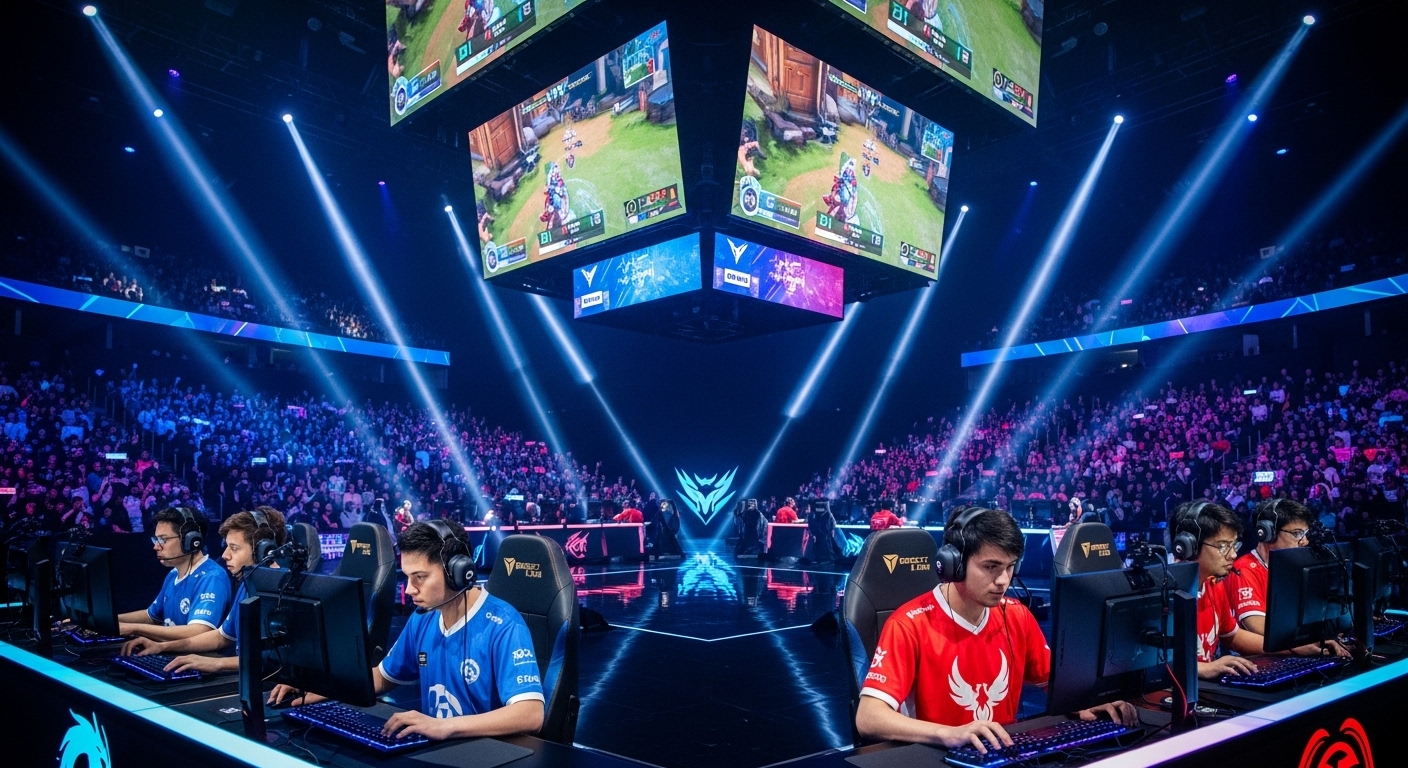
Professional Esports teams operate similarly to football or basketball clubs, with player contracts, training facilities, coaches, and analysts. Organizations such as Team Liquid, Cloud9, Fnatic, and T1 have become household names, cultivating fanbases worldwide.
Franchise leagues, like the Overwatch League and Call of Duty League, mimic the structure of the NFL or NBA, with city-based teams and scheduled seasons. This shift has brought stability and professionalism to the Esports industry.
Esports Athletes: Modern Digital Competitors
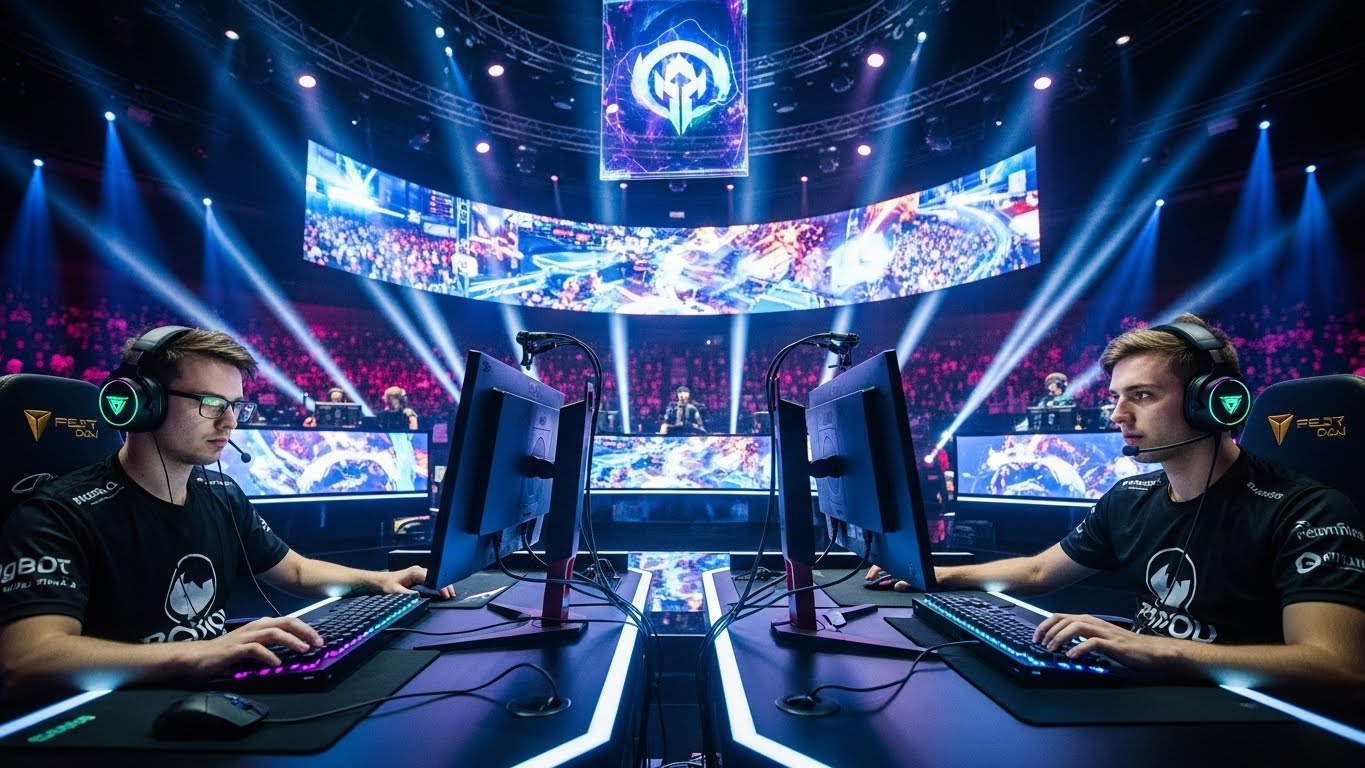
Esports players are often compared to traditional athletes — and for good reason. Their careers demand extraordinary levels of skill, strategy, reflexes, and mental endurance. A top-tier player trains for hours daily, analyzing game data, perfecting mechanical execution, and maintaining physical and mental health.
Most professional players peak in their late teens or early twenties due to the reaction speed required in competitive gaming. However, retired players often transition into roles such as coaches, analysts, streamers, or content creators, ensuring long-term career sustainability.
The stereotype of gamers as isolated individuals has been replaced by the image of disciplined professionals who balance physical fitness, nutrition, and team collaboration. Many Esports organizations even employ psychologists and trainers to help players maintain focus and manage stress during intense competitions.
The Esports Audience and Community
Esports’ success is deeply tied to its community. Millions of fans engage not just by watching matches but by actively participating through online platforms. Social media, forums, and live streams have made Esports a two-way experience, where fans and players can interact directly.
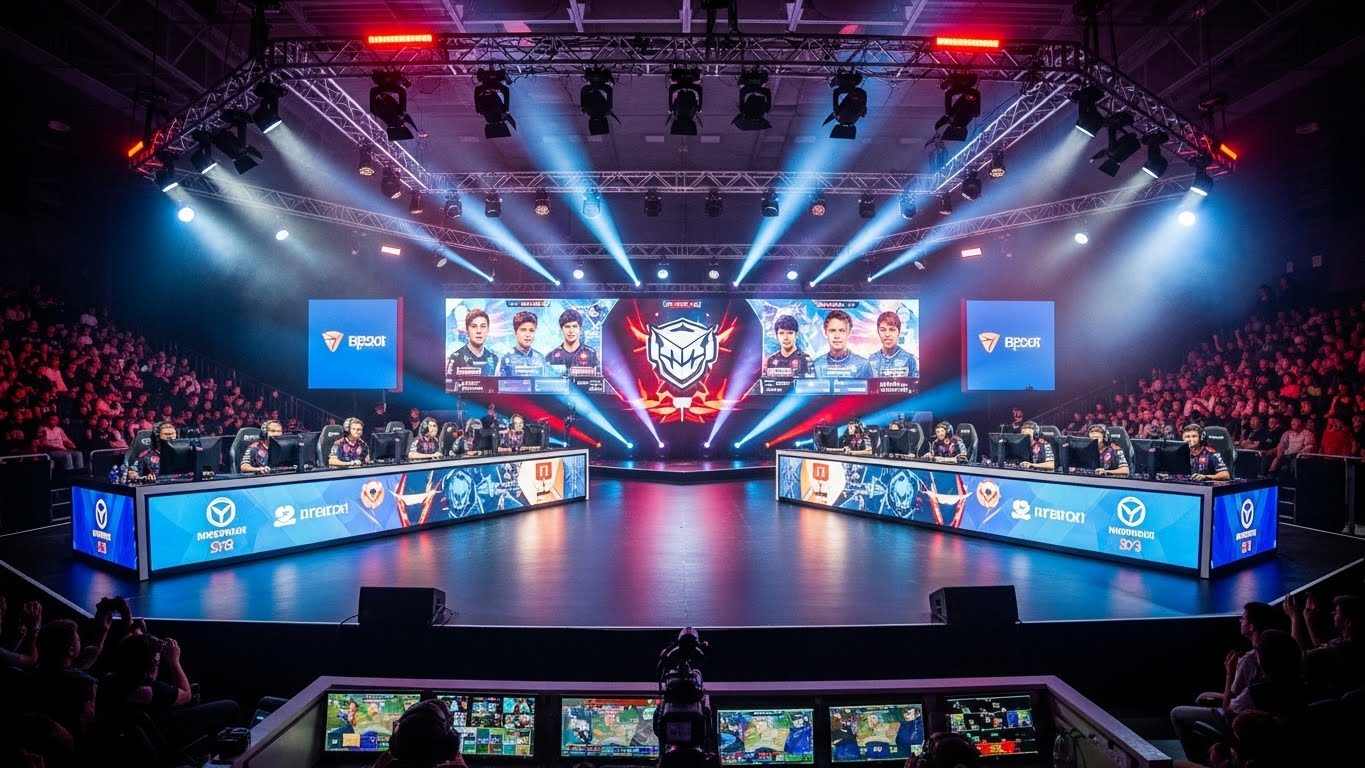
Esports events attract audiences that rival or even surpass those of traditional sports. The 2018 “League of Legends World Championship” reportedly reached viewership numbers exceeding 100 million. Younger generations, particularly Millennials and Gen Z, are drawn to Esports’ accessibility and digital-first culture.
In contrast to traditional sports, Esports offers constant accessibility. Fans can watch tournaments year-round, engage with players through live chat, and even play the same games as their heroes. This inclusivity has created a passionate, loyal, and globally connected fanbase.
The Role of Technology and Streaming
Technology has been the driving force behind Esports’ rise. High-speed internet, powerful gaming PCs, and advanced streaming platforms have democratized competitive gaming.
Streaming services such as Twitch, YouTube Gaming, and Facebook Live have revolutionized how audiences consume Esports. Instead of relying on traditional broadcasters, gamers can stream their content directly, building personal brands and connecting with fans. This creator-driven ecosystem has given rise to new opportunities for monetization through donations, subscriptions, and sponsorships.
Virtual reality (VR), augmented reality (AR), and cloud gaming are expected to push Esports even further. These innovations promise immersive experiences and wider accessibility, breaking barriers for players who lack expensive hardware.
The Cultural Impact of Esports
Esports has reshaped global culture in profound ways. It has influenced fashion, music, education, and even national identity. Popular Esports events now feature celebrity performances, fashion collaborations, and cinematic production value rivaling Hollywood.
Countries like South Korea, China, and the United States treat Esports as symbols of technological prowess and youth culture. Universities around the world offer Esports scholarships, while high schools include competitive gaming as part of extracurricular programs.
The rise of gaming influencers and professional streamers has also blurred the lines between Esports athletes and entertainers. Many players are not only competitors but also content creators with millions of followers, expanding their influence beyond the competitive scene.
Challenges Facing the Esports Industry
Despite its rapid success, Esports faces several challenges that need addressing to ensure sustainable growth.
Player Burnout
Professional gaming is intense, and constant practice can lead to physical strain, mental fatigue, and burnout. Unlike traditional sports, Esports seasons often run year-round, leaving little room for rest. Establishing proper schedules and support systems is essential for player longevity.
Integrity and Fair Play
With significant prize money and fame at stake, Esports has faced issues such as cheating, match-fixing, and doping. Developers and tournament organizers continually refine anti-cheat systems and impose strict regulations to preserve competitive integrity.
Gender Representation
While gaming itself is inclusive, professional Esports remains male-dominated. Female gamers have often faced barriers ranging from discrimination to lack of sponsorship opportunities. Efforts to create mixed-gender tournaments and inclusive organizations are gaining traction, promoting diversity within the industry.
Economic Sustainability
Though Esports generates huge viewership, profitability can be inconsistent. Many organizations depend heavily on sponsorships rather than direct revenue streams. Balancing audience engagement with sustainable business models remains an ongoing challenge.
Esports in Education and Career Development
Esports is no longer just about playing games; it has become a viable career path. Universities now offer degrees in Esports management, game design, and digital media. Students learn about event organization, marketing, and broadcasting, preparing for roles in a growing industry.
Educational institutions have recognized the value of Esports in developing teamwork, strategic thinking, and leadership skills. Some schools even establish Esports clubs and scholarships to attract talented players, giving them the same recognition as traditional athletes.
Beyond playing professionally, career opportunities in Esports include commentary, journalism, marketing, coaching, production, and software development. The industry’s ecosystem is expanding rapidly, creating a diverse range of professional possibilities.
Esports and the Future of Entertainment
Esports is shaping the future of entertainment by blending gaming, storytelling, and interactivity. With the rise of virtual events and metaverse technology, the boundaries between digital and physical experiences are fading. Spectators can now attend tournaments in virtual arenas, interact with avatars, and experience immersive gameplay environments.
The inclusion of Esports in international multi-sport events, such as the Asian Games, marks a significant step toward mainstream recognition. Discussions are underway about introducing Esports into the Olympic Games, symbolizing its growing legitimacy as a competitive discipline.
As 5G networks, artificial intelligence, and blockchain technology evolve, Esports will continue to innovate. These technologies will improve streaming quality, player analytics, and fan engagement, ensuring Esports remains at the cutting edge of digital culture.
Conclusion
The story of Esports is one of transformation — from pixelated screens in dark arcades to sold-out stadiums watched by millions worldwide. It is the story of passion, perseverance, and progress, fueled by the power of technology and community.
What began as friendly competition among hobbyists has become a symbol of global connection, digital innovation, and youthful ambition. Esports transcends borders, languages, and generations, uniting players and fans through a shared love of gaming.
As the industry continues to grow, its potential seems limitless. The next decade will likely see Esports become an integral part of mainstream entertainment, education, and even sports culture itself. Whether you are a player, a fan, or a curious observer, one thing is clear: the future of Esports has only just begun.