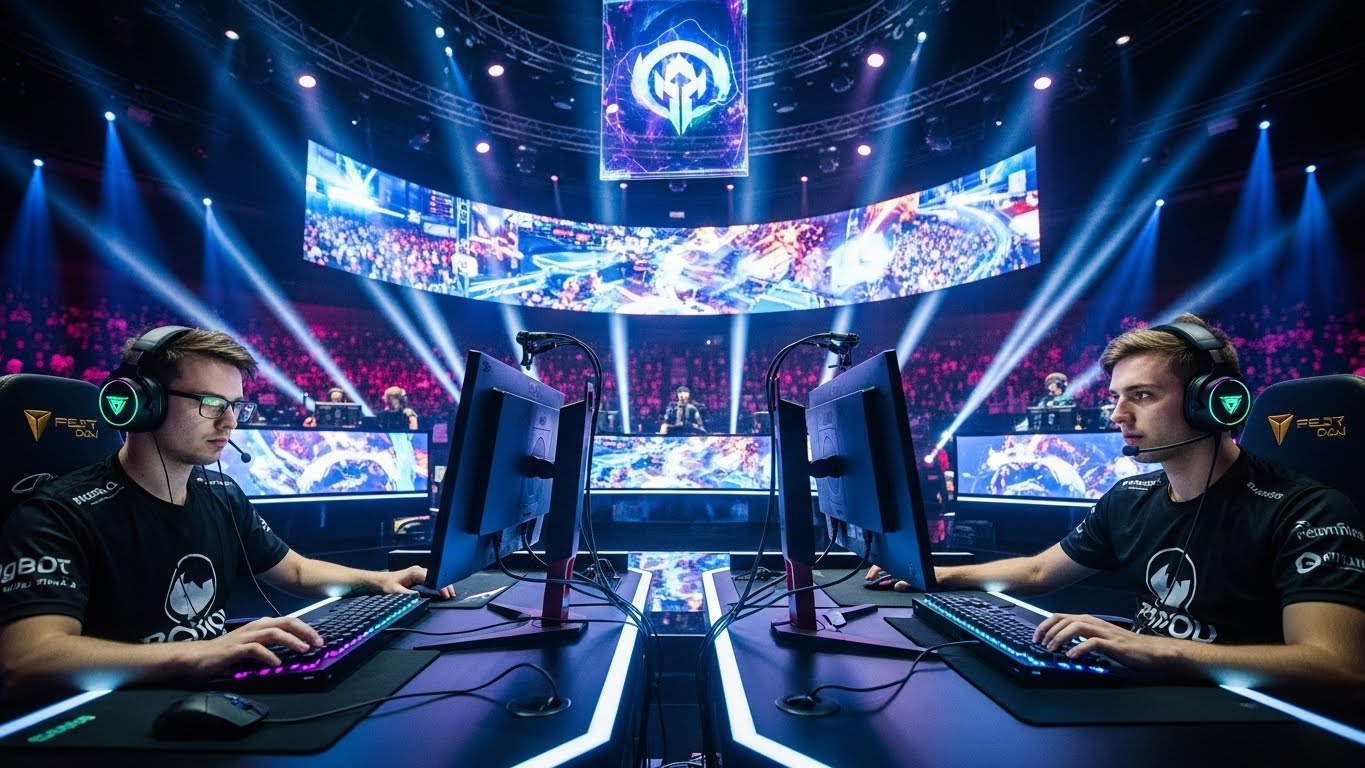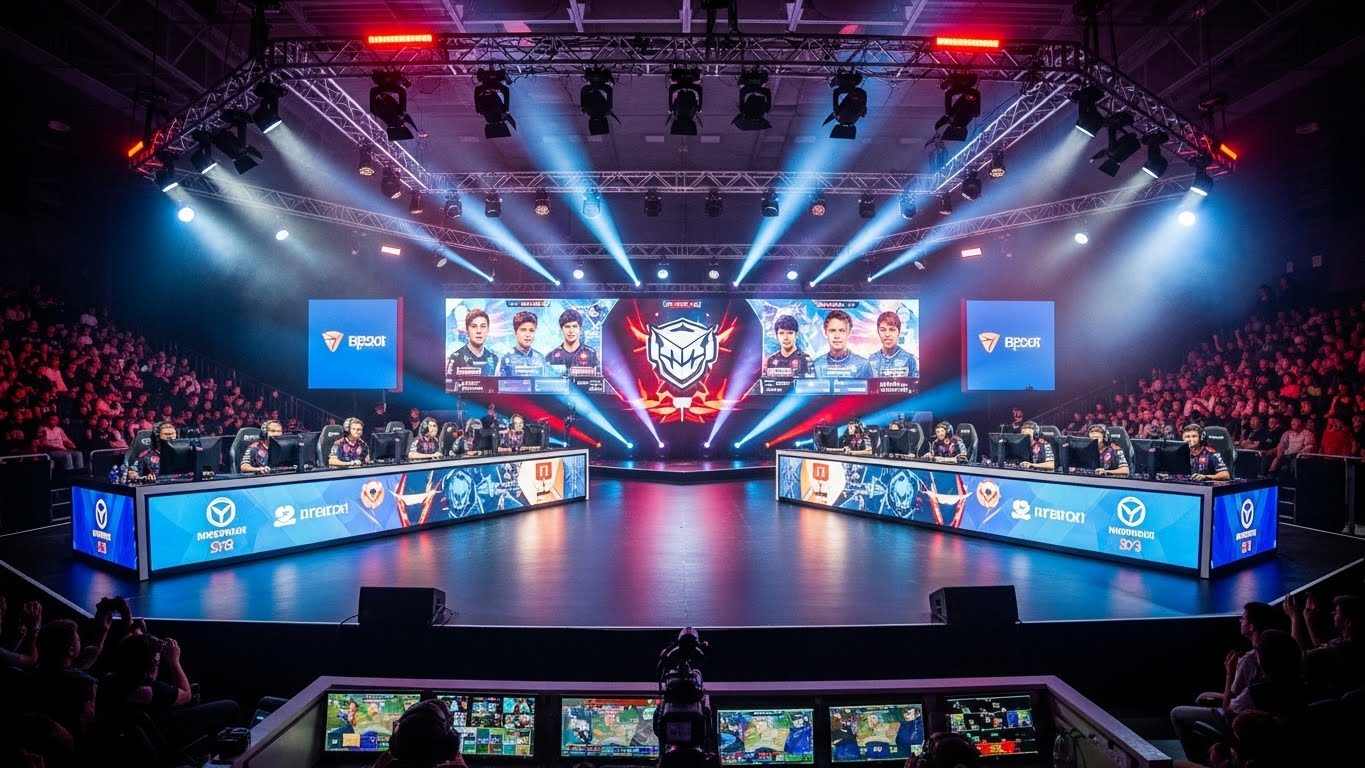
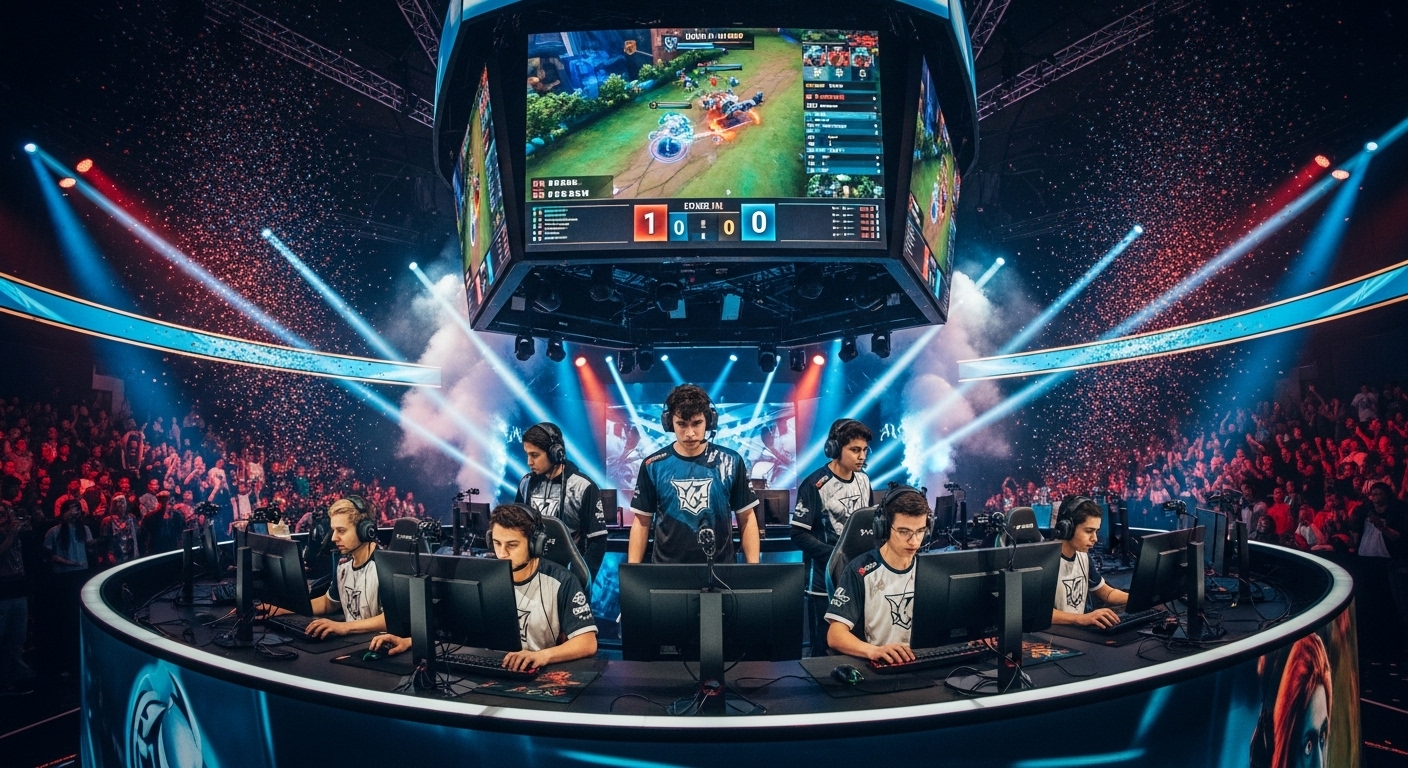
Over the last two decades, esports has transformed from a niche activity enjoyed by a small group of gaming enthusiasts into a massive global industry that rivals traditional sports in both size and cultural significance. Competitive gaming has evolved from informal, local tournaments to professional leagues, complete with sponsorships, live audiences, and huge prize pools. Esports has become more than just a hobby—it’s now a career path for many, and an entertainment industry that draws millions of fans from around the world. This blog will explore the rise of esports, the factors that have contributed to its success, its economic and cultural impact, and what the future may hold for this dynamic industry.
The Birth of Esports: How Gaming Competitions Became a Global Phenomenon
Esports, short for electronic sports, refers to organized video game competitions, particularly between professional players, individually or in teams. While the idea of competitive gaming can be traced back to the early days of video games, the true origins of esports as we know it today began in the late 1990s and early 2000s. With the rise of online multiplayer games such as Quake, StarCraft, and Counter-Strike, players could compete against others not just locally but globally. The ability to connect through the internet allowed for larger tournaments, and these early competitions became the foundation for the esports industry.
As internet speeds improved and gaming technology advanced, the concept of professional gaming began to take shape. The launch of platforms like Twitch in 2011 allowed gamers to broadcast their matches to an online audience. This streaming service revolutionized the way fans engaged with esports, allowing them to watch live events, interact with their favorite players, and participate in a global community of fans.
The first major milestone in esports was the StarCraft tournaments in South Korea during the late 1990s and early 2000s. South Korea quickly became a hub for esports, thanks to its robust internet infrastructure and government support for the burgeoning industry. The success of StarCraft tournaments eventually gave birth to a professional esports scene, and it wasn’t long before other games, like League of Legends, Dota 2, Overwatch, and Fortnite, followed suit.
The Professionalization of Esports: Players, Teams, and Leagues
As the esports industry grew, so too did its structure. What started as casual competitions soon evolved into professional leagues and organizations. Players began to form teams, just like in traditional sports, and sponsorships from major brands began pouring in. The level of competition ramped up, and esports athletes began dedicating themselves full-time to their craft.
Becoming a professional esports player is no easy feat. Just like traditional athletes, gamers train for hours a day to hone their skills. Whether it’s League of Legends, Counter-Strike, Dota 2, or Valorant, players must master game mechanics, learn in-depth strategies, and develop the mental fortitude needed to thrive under pressure. Esports athletes train their reflexes, their decision-making, and their ability to work with teammates. In fact, much like a football or basketball team, esports teams must develop deep coordination, communication, and synergy if they are to succeed in high-level tournaments.
Esports leagues have emerged, providing a structured environment for professional gaming. Organizations such as the Overwatch League, League of Legends Championship Series (LCS), and Call of Duty League have professionalized competitive gaming, offering salaries, sponsorships, and extensive media coverage. These leagues not only provide players with an opportunity to compete at the highest level but also contribute to the growing legitimacy of esports as a recognized sport.
The rise of these leagues has also led to the formation of esports organizations, which manage players, sign sponsorship deals, and handle media coverage. Major esports teams, such as Team Liquid, Cloud9, Fnatic, and T1, have established themselves as household names in the esports community. These organizations sign players, provide coaching, and build fan bases, becoming brands in their own right.
Esports and the Economic Boom: Big Money, Big Business
Esports has gone far beyond a passion for gaming. It has evolved into a multi-billion-dollar industry with substantial economic impact. Revenue for the esports industry comes from several key sources, including tournament prize pools, sponsorships, media rights, advertising, ticket sales, and merchandise.
The prize pools for major esports tournaments are enormous. The International, an annual Dota 2 tournament, holds the record for the largest prize pool in esports history, with total prizes surpassing $40 million in 2021. The League of Legends World Championship is another prime example of the financial power of esports, with its 2020 prize pool reaching $2.3 million. These massive prize pools are often funded by both game developers and corporate sponsors, making professional gaming a lucrative career for top players.
Sponsorships play a huge role in esports’ financial success. Major companies from a variety of industries—such as Intel, Coca-Cola, Red Bull, and Audi—sponsor esports tournaments, teams, and players. The growing audience for esports events and the global reach of streaming platforms have made esports an attractive marketing opportunity for brands looking to connect with younger, tech-savvy consumers. These partnerships often include everything from sponsoring tournaments to providing players with gaming equipment and apparel.
Media rights have also become a significant revenue source. As esports grows in popularity, broadcasting rights for major tournaments have become more valuable. Platforms like Twitch, YouTube, and Facebook Gaming have capitalized on the rise of esports by offering streaming services for competitive gaming, creating a dynamic and interactive viewing experience. Major tournaments like the League of Legends World Championship and the Fortnite World Cup draw millions of viewers from all around the world, generating revenue through ads, subscriptions, and donations.
In addition to these traditional sources of revenue, esports has also created new economic opportunities in the form of merchandising, content creation, and digital assets. Fans can buy team jerseys, in-game items, and limited-edition merchandise, supporting their favorite teams and players while contributing to the financial ecosystem surrounding esports.
Streaming and Viewer Engagement: The Heart of Esports Culture
Perhaps one of the most exciting developments in esports has been the rise of live streaming. Streaming platforms like Twitch, YouTube Gaming, and Facebook Gaming have become the primary medium for fans to watch esports competitions and interact with players. These platforms have completely transformed the way people consume entertainment, turning casual gaming into a social, interactive experience.
Twitch, the dominant platform for esports streaming, has a vast and dedicated user base. In fact, Twitch reported over 2.8 billion hours watched in 2020 alone. Viewers can watch live matches, comment on gameplay, and even donate money to their favorite streamers. The interactive nature of these platforms allows fans to engage with players directly, creating a sense of community and connection that is unique to esports.
The rise of esports streaming has also paved the way for content creators. Many top players and streamers have built careers around their online presence, generating revenue through ads, sponsorships, and fan donations. For example, popular streamers like Ninja, Shroud, and Pokimane have not only made a name for themselves in the gaming world but have also ventured into mainstream entertainment, collaborating with brands and appearing in commercials, TV shows, and other media.
The accessibility of streaming platforms has made esports events available to a global audience. Major esports tournaments are broadcast live, often in multiple languages, allowing fans from all over the world to watch and support their favorite teams. This widespread accessibility has contributed to the rapid growth of esports as a global entertainment industry, bringing together fans from different countries and cultures in a shared love of gaming.
The Cultural Impact of Esports: A New Era of Sportsmanship
Esports has had a profound cultural impact, changing the way we think about sports and competition. Historically, sports have been physical activities played in arenas and stadiums, but esports has revolutionized this concept by bringing competition to the digital realm. Esports offers a level playing field for players of all backgrounds and abilities, regardless of physical constraints. As a result, it has democratized competitive gaming, opening doors for people from all walks of life to participate.
The rise of esports has also contributed to the normalization of gaming as a mainstream activity. Once seen as a solitary and isolating hobby, gaming has now become a social activity that unites millions of fans around the world. Esports has not only brought gaming into the public eye but has also helped to legitimize video games as a form of entertainment and competition.
Esports has created a new kind of athlete, one that does not rely on physical strength or endurance but on mental acuity, teamwork, and strategy. Professional esports players are now recognized for their skills and achievements in the same way that traditional athletes are. This shift has led to greater acceptance of gaming as a legitimate sport, paving the way for esports to become an integral part of global culture.
The Future of Esports: Unlimited Possibilities
The future of esports looks incredibly promising, with new technologies and innovations continuing to shape the industry. Virtual reality (VR), augmented reality (AR), and cloud gaming are all poised to make their mark on esports. VR and AR could create even more immersive gaming experiences, blurring the lines between the physical and digital worlds. Cloud gaming, on the other hand, will allow players to access high-quality games without the need for expensive hardware, making esports even more accessible to people around the globe.
Esports is also likely to continue expanding into new markets. As internet access improves in developing regions, esports will become more accessible to players and fans in countries like India, Brazil, and parts of Africa. The potential for growth in these regions is enormous, and the future of esports will be shaped by the global fanbase it continues to cultivate.