Introduction
The world of competitive gaming, also known as esports, has evolved into a massive global phenomenon that combines technology, entertainment, and sportsmanship. Once a niche hobby for a small group of passionate gamers, esports has exploded into a multi-billion-dollar industry with millions of fans, athletes, and organizations worldwide. With its rapid growth in the past decade, esports has become more than just a pastime—it’s now a legitimate career path, a major form of entertainment, and a cultural movement. This blog explores the rise of esports, its impact on the gaming industry, the players and fans behind the scenes, and its place in the larger entertainment landscape.
What is Esports?
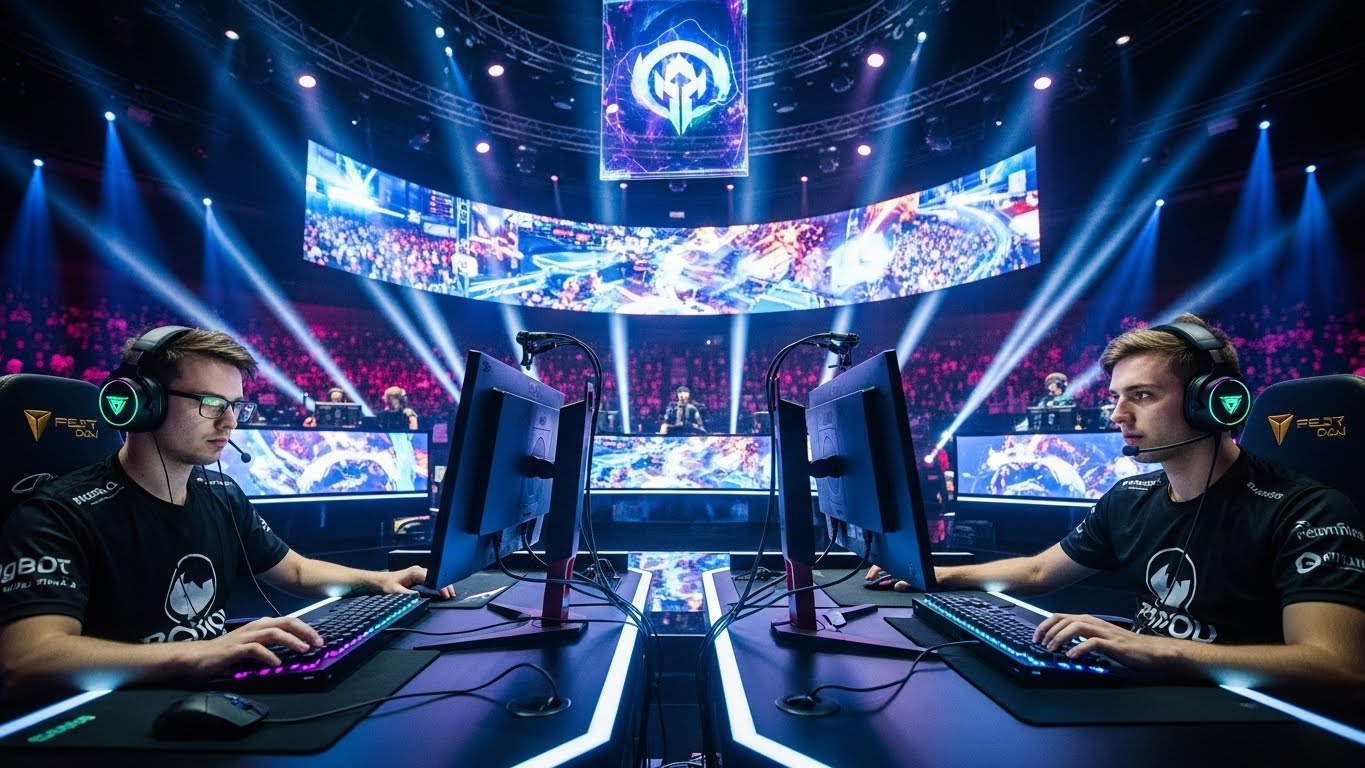
Esports, short for electronic sports, refers to organized, multiplayer video game competitions, particularly between professional players, individually or as teams. These competitions can take place at various levels, from local tournaments to international championships. Games like “League of Legends,” “Counter-Strike: Global Offensive,” “Dota 2,” “Fortnite,” and “Overwatch” are among the most popular in the esports arena. Esports combines skill, strategy, and teamwork, just like traditional sports, but with a digital twist. Players use their reflexes, intelligence, and cooperation to compete at the highest level, with millions of dollars in prize money on the line.
The Growth of Esports
The growth of esports has been nothing short of extraordinary. What began in the late 1990s as small-scale competitions has transformed into a global industry. In 2010, the prize pool for the world’s largest esports tournament was a mere $1 million. Today, major esports events like The International (Dota 2’s world championship) offer prize pools exceeding $40 million, and esports is expected to generate over $1 billion in revenue in the coming years. Much of this growth is driven by the increasing popularity of online streaming platforms, particularly Twitch and YouTube, where fans can watch live gameplay, cheer for their favorite players, and engage with the esports community. In fact, some esports tournaments now attract viewership numbers that rival traditional sports events, such as the Super Bowl or the FIFA World Cup.
Esports as a Career Path
One of the most significant shifts brought about by the rise of esports is the emergence of competitive gaming as a legitimate career. Players, coaches, analysts, and content creators now make a living off their involvement in the esports ecosystem. Professional esports players can earn substantial salaries, particularly those who compete in major tournaments or represent top-tier esports organizations. In addition to prize money, many professional gamers sign sponsorship deals with major brands, such as Intel, Coca-Cola, and Nike, adding another layer of revenue to their careers.
Aside from players, the esports industry also supports a wide range of jobs. Coaches, team managers, marketing professionals, event organizers, and streamers contribute to the success of esports organizations and tournaments. Game developers, broadcasters, and production teams are also essential in creating and distributing content for fans to enjoy. For many, esports has become more than a hobby—it is a full-time job that requires dedication, skill, and a passion for gaming.
The Role of Streaming in Esports
Streaming has played an instrumental role in the growth of esports. Platforms like Twitch and YouTube have provided a space for gamers to showcase their skills, interact with fans, and build global communities. Twitch alone boasts over 15 million daily active users, many of whom tune in to watch professional esports competitions, learn from their favorite streamers, and join in on the conversation.
Streaming has transformed how fans experience esports. Viewers can watch high-level competitions live, engage with players and analysts through chat, and follow their favorite teams in real-time. For many fans, watching esports is not just about the games themselves but about the personalities behind the screen. Popular streamers and professional gamers, such as Ninja, Shroud, and PewDiePie, have amassed millions of followers and built substantial online empires through their gaming content. This shift in entertainment consumption has led to a new era where video gaming is not only a pastime but a way to make a living, both for professional players and for those who entertain and educate others through streaming.
The Esports Community
At the heart of esports is its community, which is one of the most passionate and dedicated fanbases in the world. The esports community is a diverse and global group of fans who share a common interest in competitive gaming. They come from all walks of life, from teenagers and college students to professionals and casual gamers. What binds them together is their love of gaming and the excitement that comes with watching top-tier players and teams compete.
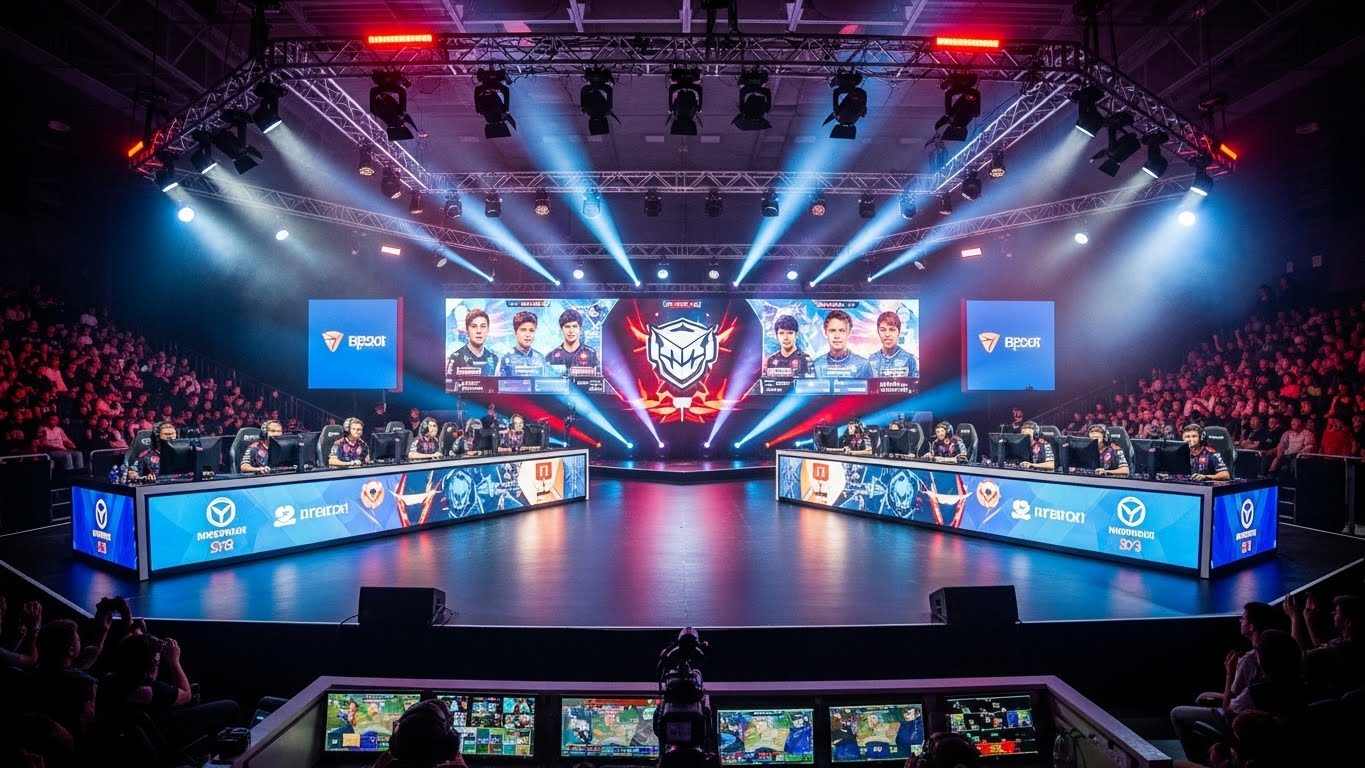
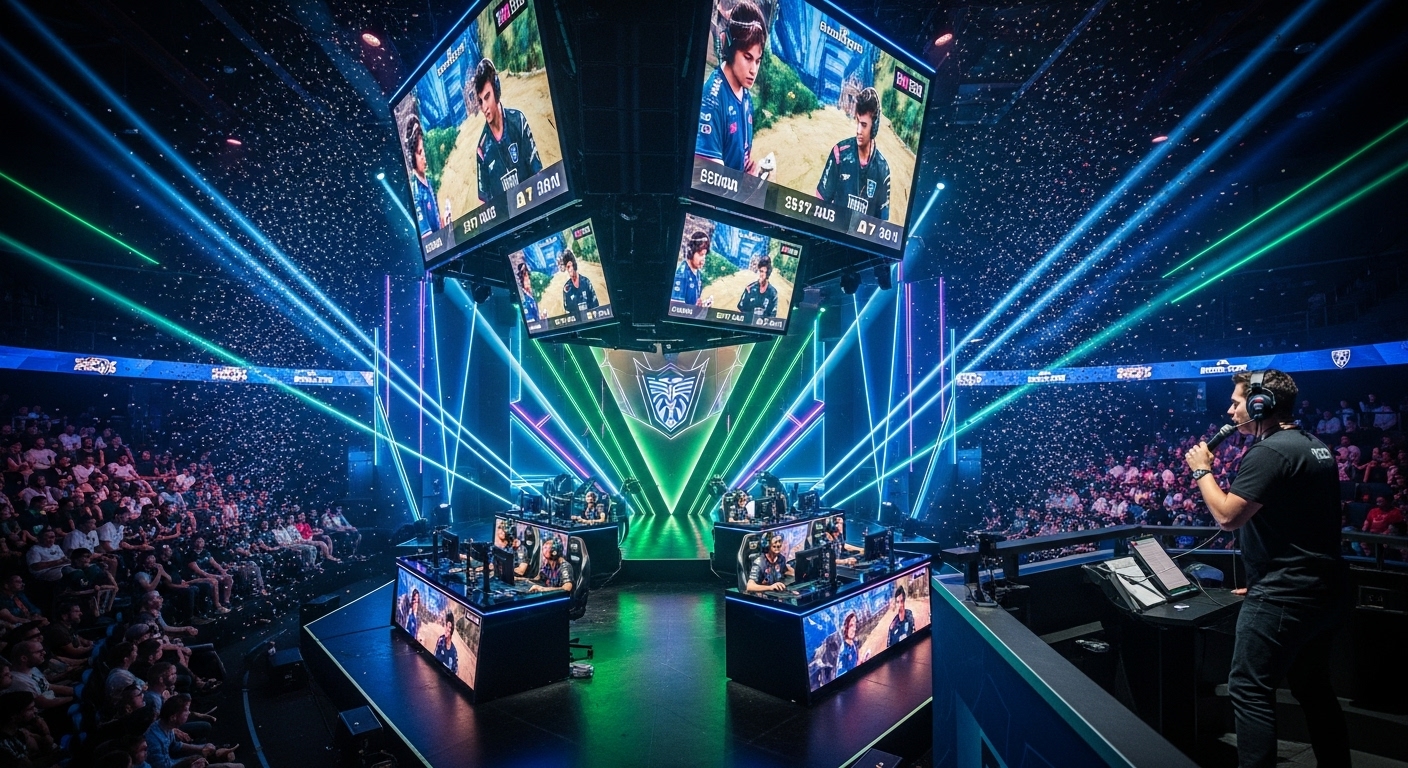
Esports fans are highly engaged, often discussing strategies, matches, and players across social media platforms, forums, and fan websites. Events like the League of Legends World Championship, ESL One, and the Fortnite World Cup have massive fan followings, with sold-out arenas and millions of viewers tuning in online. Fans also support their favorite teams and players by purchasing merchandise, attending live events, and voting in polls or competitions.
Beyond the competitions themselves, esports fans contribute to the overall culture of gaming. They create fan art, write articles, stream gameplay, and build fan communities online. The interaction between fans, players, and content creators forms a unique ecosystem that is driven by enthusiasm and a sense of belonging. Whether it’s cheering on a team during a tournament or sharing a funny moment on social media, the community is the backbone of esports.
Esports and Traditional Sports
As esports continues to grow, it has started to intersect with traditional sports in many ways. Esports organizations are often modeled after traditional sports teams, with coaches, managers, and players working together to develop strategies and improve performance. In fact, many major traditional sports franchises are now investing in esports teams and tournaments. The ownership of esports teams by traditional sports brands, such as the Golden State Warriors owning an esports team in the “NBA 2K League” or Manchester City investing in esports through their esports organization, is a sign that the lines between esports and traditional sports are blurring.
Furthermore, esports is beginning to be recognized as a legitimate sport in some regions. In 2020, the Asian Games announced that esports would be included as a demonstration sport, a step toward full inclusion in future games. The International Olympic Committee (IOC) has also begun to explore the idea of incorporating esports into the Olympic Games, though debates over the cultural and ethical implications continue.
While esports may not involve physical exertion in the same way as traditional sports, it still demands high levels of concentration, strategy, and teamwork. The competitive nature of esports, combined with its global audience, positions it as a new form of entertainment that complements, rather than competes with, traditional sports.
The Future of Esports
As esports continues to evolve, its future looks bright. The industry is rapidly expanding, and more mainstream media outlets are beginning to cover esports events as part of their regular programming. With the continued rise of streaming platforms, esports tournaments, and gaming content, the next decade promises even greater opportunities for players, teams, and fans alike. Esports will continue to grow in terms of global reach, with new audiences discovering competitive gaming across the world. Additionally, advancements in virtual reality (VR) and augmented reality (AR) could redefine how games are played and experienced, bringing even more immersion to the esports world.
Moreover, the popularity of mobile gaming and the rise of games like “PUBG Mobile” and “Free Fire” have made esports accessible to a wider range of people, from casual gamers to competitive professionals. As smartphones and tablets become more powerful, mobile esports may see a significant rise in popularity, especially in regions where console and PC gaming are not as widespread.
Esports will also see greater integration with other industries, such as music, fashion, and entertainment. The intersection of gaming and pop culture has already begun, with musical artists performing at gaming events, and fashion brands collaborating with esports teams. As esports becomes a larger part of mainstream culture, it will continue to evolve into an integral part of the entertainment industry.
Conclusion
Esports has transformed from a niche hobby into a global entertainment powerhouse. Its rapid rise is a testament to the growing popularity of competitive gaming and its ability to connect millions of fans across the globe. Whether you are a player, a fan, or a content creator, esports offers something for everyone. With its booming industry, passionate community, and intersection with traditional sports and mainstream culture, esports is not just a trend—it’s a new era of digital competition. The future of esports is limitless, and it will continue to shape the landscape of gaming, entertainment, and sports for years to come.