Introduction: The Emergence of Esports
Esports, or competitive gaming, has grown from a niche hobby into a global phenomenon that captivates millions of fans and generates billions in revenue. What started as small-scale tournaments and casual competitions has evolved into a professional, highly organized industry with international tournaments, sponsorships, and dedicated esports arenas. Esports is more than just playing video games—it represents a cultural, social, and technological revolution that is reshaping the way people compete, connect, and experience entertainment.
The Evolution of Competitive Gaming
The roots of esports trace back to the late 20th century when arcade competitions and early computer gaming tournaments gained popularity. Early games like Space Invaders, Pac-Man, and later Street Fighter laid the foundation for competitive play, while local LAN events and high-score competitions created communities of players eager to prove their skills. With the rise of the internet, competitive gaming transcended local boundaries. Online multiplayer games enabled players to challenge opponents from around the world, setting the stage for modern esports. Today, esports encompasses a wide variety of genres including first-person shooters, multiplayer online battle arenas, real-time strategy, and sports simulations, each with dedicated fanbases and professional leagues.
The Role of Technology in Esports
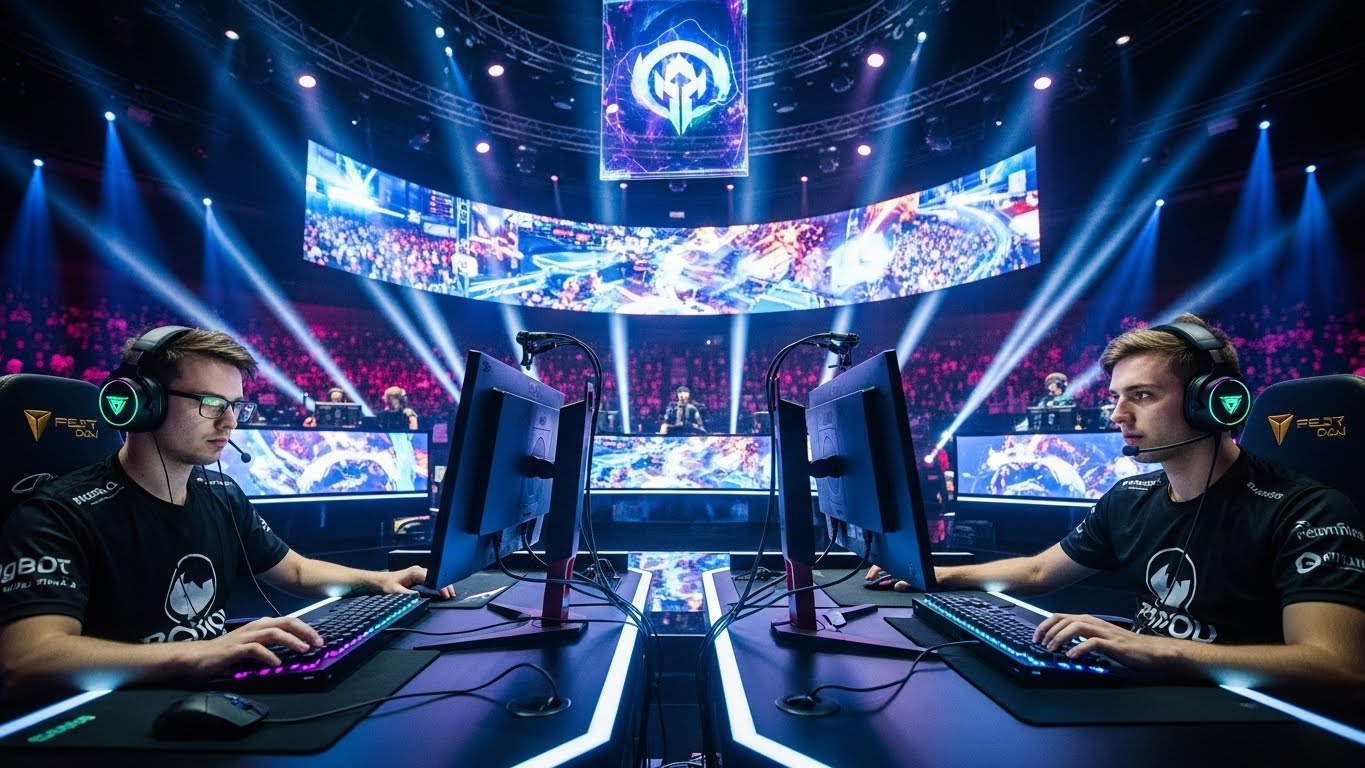
Technology has been the driving force behind the meteoric rise of esports. High-speed internet, advanced gaming hardware, streaming platforms, and sophisticated broadcasting technology have allowed esports to reach audiences on a massive scale. Platforms like Twitch and YouTube Gaming have transformed how fans consume esports content, providing live streams, commentary, and interactive features that enhance engagement. Gaming peripherals such as high-precision mice, mechanical keyboards, and gaming monitors optimized for speed and responsiveness have also elevated the skill ceiling, enabling players to perform at professional levels. Technology not only fuels competitive play but also facilitates global accessibility, connecting players and fans regardless of geography.
Esports as a Professional Career
Esports has evolved into a legitimate career path, offering players opportunities to earn salaries, sponsorships, and prizes. Professional esports players undergo rigorous training, often dedicating eight to twelve hours a day to practice, strategy development, and teamwork. Organizations recruit players, provide coaching staff, and manage team dynamics similar to traditional sports teams. Beyond players, the esports ecosystem supports careers in event management, broadcasting, content creation, marketing, and analytics. This professionalization demonstrates that esports is not just entertainment; it is a serious industry that offers diverse opportunities for talent across multiple domains.
Major Esports Titles and Genres
Esports encompasses a wide variety of game genres, each offering unique challenges and experiences. First-person shooters like Counter-Strike and Call of Duty emphasize precision, reflexes, and teamwork. Multiplayer online battle arenas such as League of Legends and Dota 2 focus on strategic thinking, coordination, and long-term planning. Real-time strategy games like StarCraft test adaptability and resource management. Sports simulation games like FIFA and NBA 2K replicate professional athletic competition digitally. Each genre attracts dedicated audiences and professional players, creating a diverse and dynamic esports landscape that caters to a wide range of interests and skills.
Global Tournaments and Competitive Events
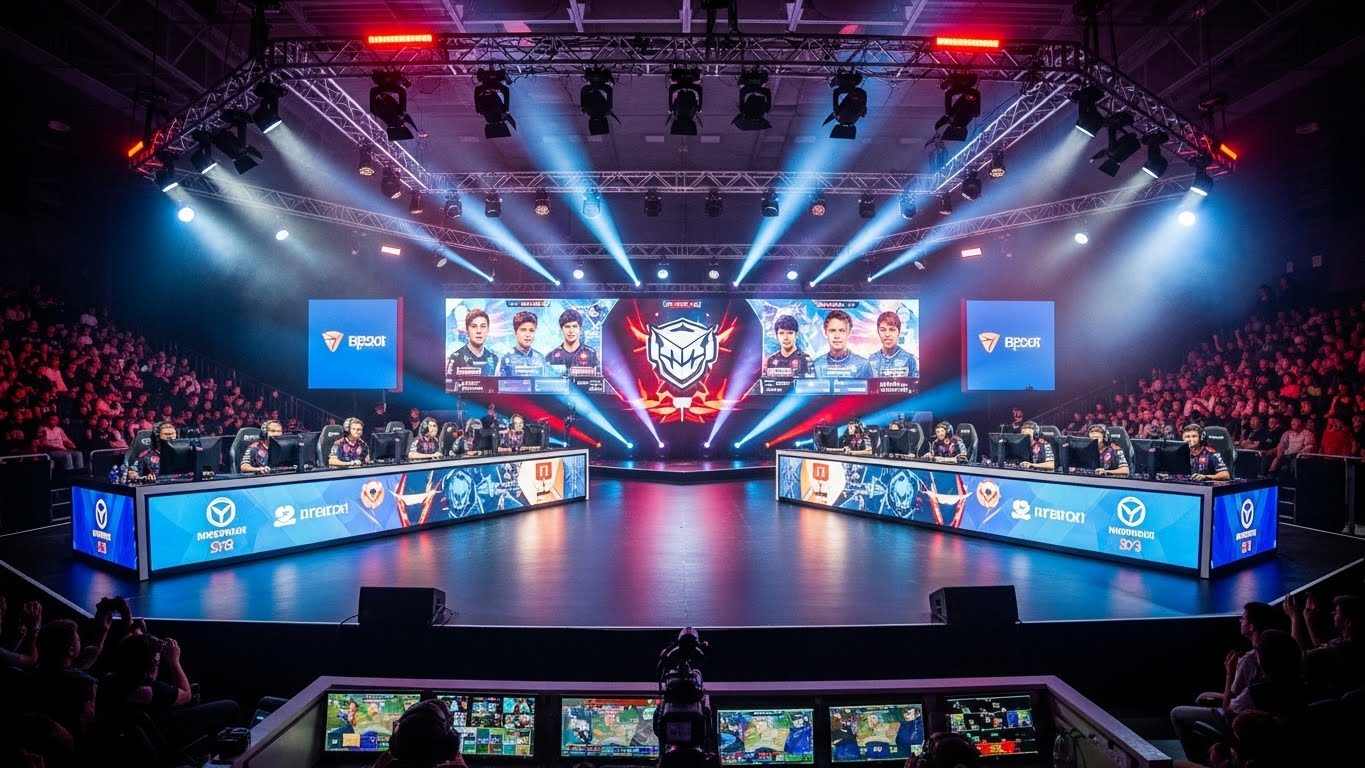
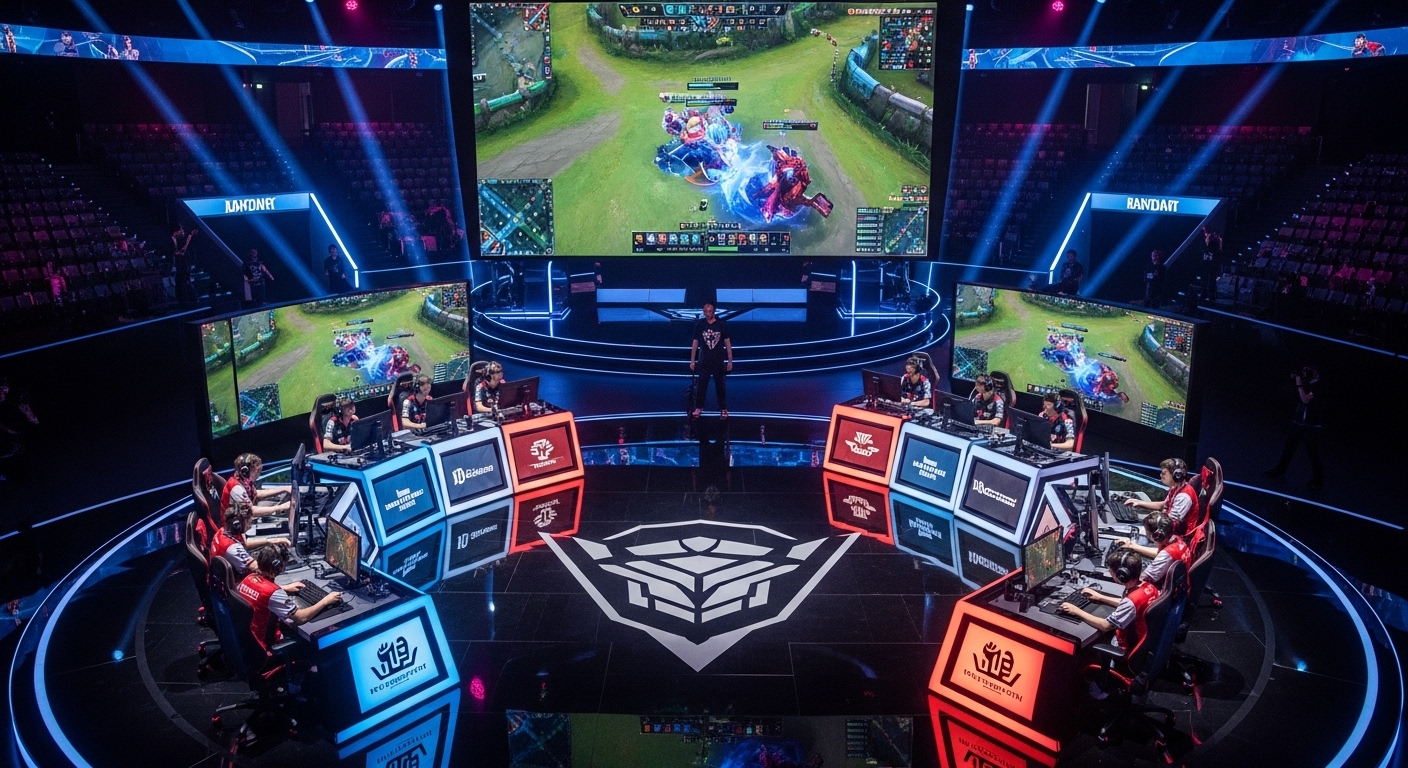
Esports tournaments have grown into massive global spectacles, rivaling traditional sports in scale and viewership. Events like The International for Dota 2, League of Legends World Championship, and Fortnite World Cup draw millions of viewers online and fill arenas with thousands of fans. Prize pools have reached millions of dollars, reflecting both the popularity and commercial viability of competitive gaming. International tournaments not only showcase top-level play but also foster cultural exchange, as players from different countries compete and collaborate. These events are more than competitions—they are celebrations of gaming culture that unite fans around the world.
The Social Impact of Esports
Esports has a significant social dimension, providing a sense of community for players and fans alike. Online platforms allow fans to interact with players, discuss strategies, and share experiences. Esports communities thrive through forums, social media groups, and fan-led events. The rise of streaming has also allowed players to build personal brands, engage directly with audiences, and create content beyond competitive play. Esports fosters teamwork, communication, and collaboration, both in-game and within professional organizations, highlighting the importance of social skills alongside technical ability.
Esports and Education
Education has increasingly recognized the potential of esports as a tool for skill development and career preparation. Many schools and universities now offer esports programs, scholarships, and competitive teams. Participation in esports can enhance critical thinking, strategic planning, communication, and digital literacy. Academic institutions are exploring curriculum integration, using esports to teach subjects like computer science, marketing, media production, and event management. This educational aspect underscores that esports is not merely entertainment—it is a platform for learning, skill acquisition, and professional development.
The Business and Economics of Esports
The esports industry has grown into a multibillion-dollar market, driven by sponsorships, media rights, merchandise, and advertising. Brands are increasingly investing in esports to reach younger audiences, leveraging the popularity of games and tournaments. Streaming platforms monetize content through subscriptions, advertisements, and partnerships. Esports organizations generate revenue from team sponsorships, merchandise sales, and event ticketing. The economic impact of esports extends beyond professional players, creating opportunities for a wide range of businesses and professionals within the gaming ecosystem.
Diversity and Inclusivity in Esports
Esports has the potential to be a more inclusive and diverse arena compared to traditional sports. Players from different genders, ethnicities, and cultural backgrounds can compete on a level playing field, provided they have access to the necessary technology. Initiatives to promote diversity, including women’s leagues, accessibility programs, and anti-discrimination policies, are helping make esports a more welcoming environment. Inclusivity not only broadens the audience but also enriches the competitive scene, encouraging innovation, collaboration, and creativity from a wide range of perspectives.
The Future of Esports
The future of esports is poised for further expansion and innovation. Emerging technologies such as virtual reality, augmented reality, and cloud gaming will create new forms of competitive experiences. Cross-platform play and global leagues will enable even greater connectivity, allowing players from different devices and regions to compete seamlessly. As esports continues to professionalize, training methods, analytics, and broadcasting will become more sophisticated, elevating the level of play and fan engagement. Esports is not just a passing trend—it is a long-term cultural and economic phenomenon that will continue to shape the entertainment landscape.
Conclusion: Esports as a Global Cultural Force
Esports has evolved from humble beginnings into a global industry that blends competition, technology, entertainment, and social interaction. It offers professional opportunities, fosters creativity, and builds communities that transcend geographic and cultural boundaries. As technology and innovation continue to advance, esports will play an increasingly prominent role in shaping digital culture, education, and entertainment. Competitive gaming is no longer just a pastime—it is a cultural and economic force that reflects the power of interactive media in the 21st century. Esports demonstrates that skill, strategy, and teamwork in virtual arenas are as meaningful and impactful as any traditional sport.