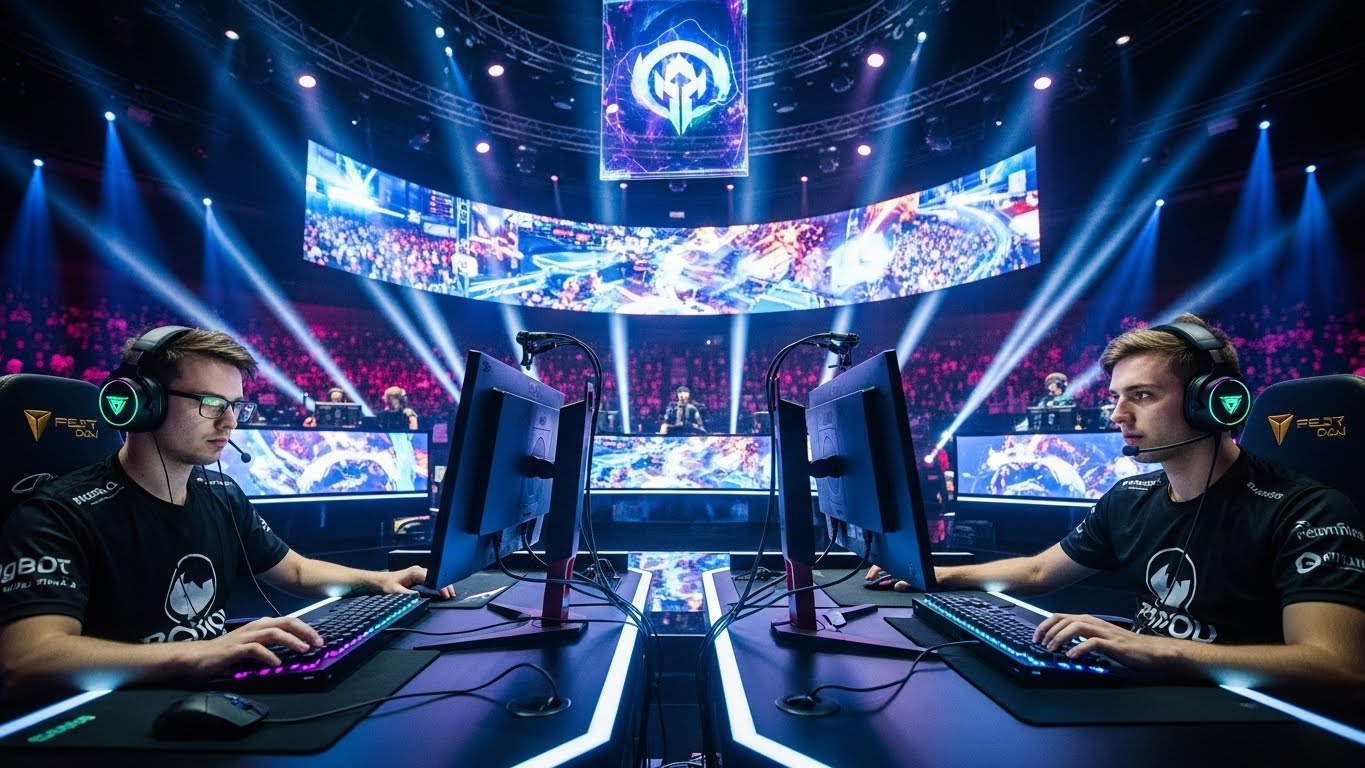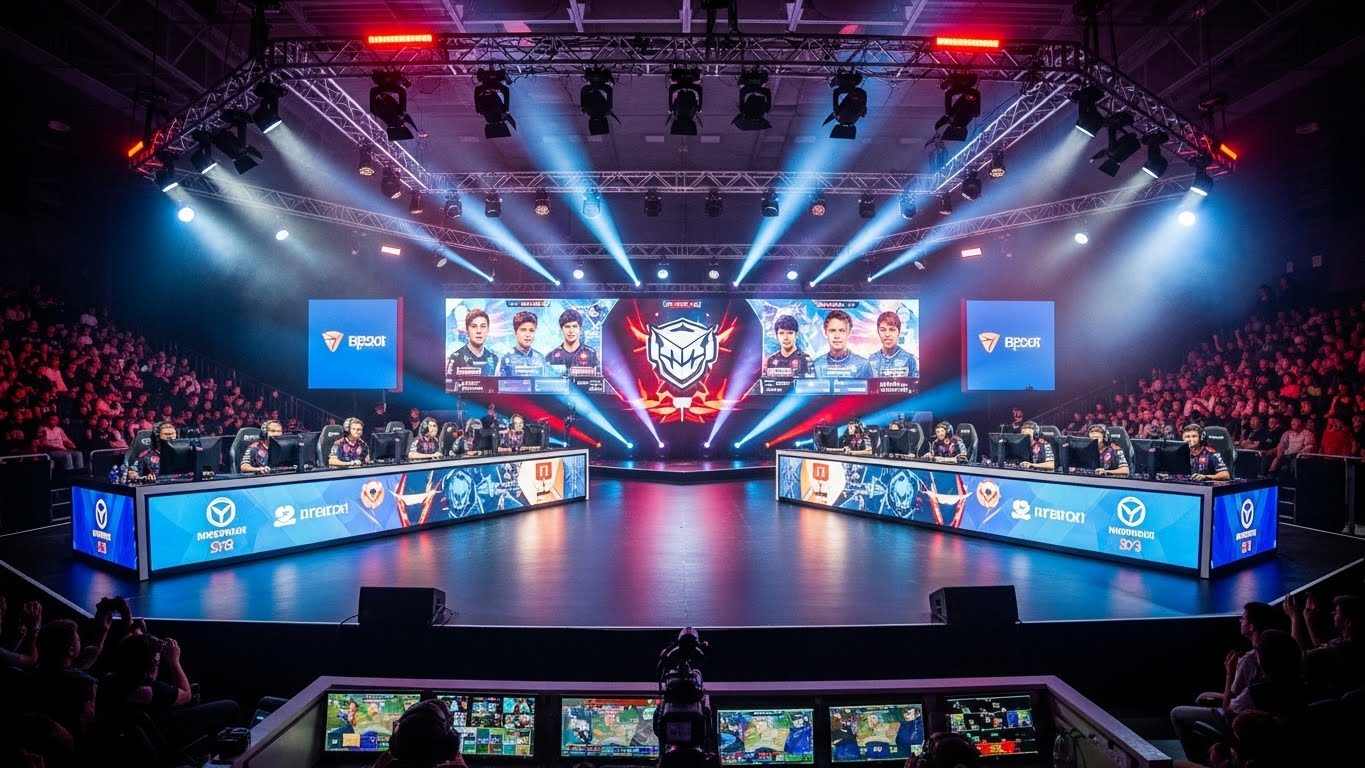
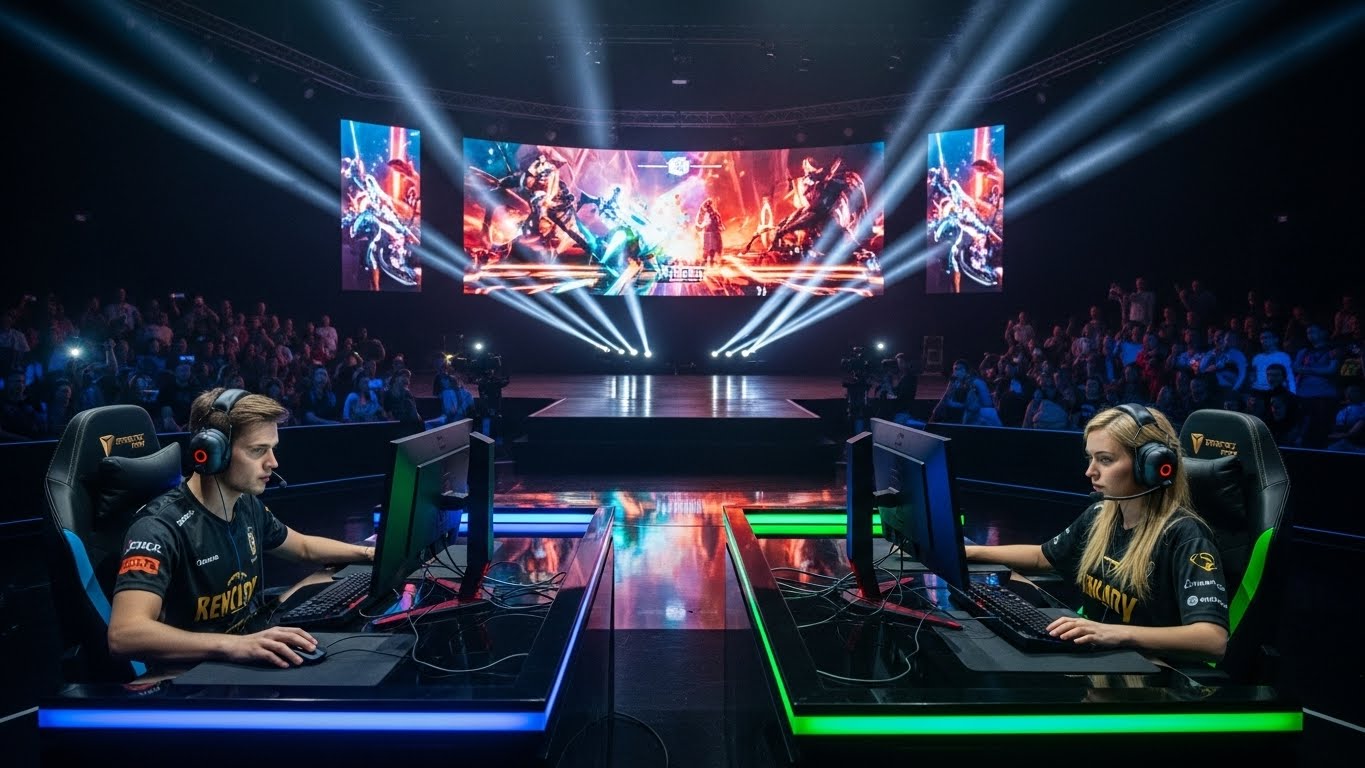
Esports, or electronic sports, has evolved from a niche hobby into a global phenomenon. What began as a few friends gathered around a computer screen, competing in early arcade games, has now transformed into a multi-billion-dollar industry. The rapid growth of esports, along with its expanding influence on both gaming culture and mainstream entertainment, has sparked a new era in competitive entertainment. From massive tournaments watched by millions to professional players and teams that rival traditional athletes in terms of sponsorships and recognition, esports is shaping the future of gaming and entertainment.
In this blog post, we will explore the many facets of the esports world—its history, the current state of the industry, its massive growth, and its potential future trajectory. Whether you’re an esports fan, an aspiring pro player, or simply curious about the phenomenon, this post will give you a comprehensive look at the world of competitive gaming.
The Origins of Esports: From Casual Play to Organized Competitions
The history of esports dates back to the early days of video games. In the 1970s, arcade games like Pong and Space Invaders became wildly popular, setting the stage for a new form of entertainment. While there were no formal competitions at this point, gamers often competed against each other to achieve the highest scores on arcade machines, creating an informal competitive community.
However, it wasn’t until the 1990s that the concept of organized esports competitions began to take shape. Games like Street Fighter, Mortal Kombat, and StarCraft helped pave the way for the first tournaments. The Red Annihilation tournament in 1997, which featured the game Quake, is often considered one of the first major esports events. It attracted hundreds of players, culminating in a dramatic final where John Romero, the co-founder of id Software, faced off against other top players in a thrilling, live-streamed competition.
With the rise of the internet, online gaming became a central aspect of esports. In the late 1990s and early 2000s, games like Warcraft, Counter-Strike, and StarCraft created competitive landscapes that drew players from across the globe. This period saw the formation of the first professional gaming teams and the establishment of gaming leagues, creating the foundation for what would eventually become a global industry.
The Growth of Esports: From Niche to Mainstream
By the mid-2000s, esports had firmly planted its roots, with organizations like Major League Gaming (MLG) and ESL (Electronic Sports League) emerging as key players in the competitive gaming scene. Esports events began to be broadcast online, attracting wider audiences and generating interest from media outlets. The introduction of live streaming platforms, such as Twitch, further propelled esports into the mainstream. Gamers could now broadcast their matches to millions of viewers, offering real-time interaction and community engagement.
The success of competitive gaming reached new heights with the rise of League of Legends in 2009. Riot Games’ League of Legends became the catalyst for modern esports, bringing millions of players and fans into the fold. Its annual World Championship quickly became one of the most-watched esports events globally, with prize pools growing year after year and millions of viewers tuning in to watch the finals.
In addition to League of Legends, games like Dota 2, Counter-Strike: Global Offensive (CS:GO), Overwatch, and Fortnite further solidified esports as a mainstream entertainment phenomenon. The competitive scene around these games attracted sponsorships from major companies, and esports organizations began signing professional players to contracts, offering salaries, coaching, and support staff similar to traditional sports teams.
What had once been a subculture of gamers competing in obscure tournaments had now evolved into a global entertainment powerhouse with live events held in massive arenas and broadcast across television networks and online platforms.
The Business of Esports: Revenue, Sponsorships, and Media
One of the most striking developments in the world of esports is its immense profitability. Esports is now a multi-billion-dollar industry, driven by a mix of revenue streams including sponsorships, media rights, ticket sales, merchandise, and crowdfunding from fans. The industry’s growth has attracted major brands, such as Coca-Cola, Intel, and Nike, who have partnered with esports teams, players, and events to tap into the gaming demographic. The overlap between gaming culture and consumer products has created a fertile ground for brand integrations.
Sponsorships and Brand Partnerships
Sponsorships have become a crucial part of the esports ecosystem. Major tech companies, including Intel, Alienware, and Logitech, are frequent sponsors of esports tournaments and teams. These companies provide hardware, such as gaming PCs, mice, and headsets, and in return, they receive the exposure of millions of gamers and esports fans.
Sponsorship deals extend beyond hardware and gaming companies, with major consumer brands also entering the esports space. The partnership between PepsiCo and League of Legends to sponsor the World Championship is a prime example of how global brands are recognizing the value of esports audiences. Other companies, like Red Bull, Monster Energy, and even car brands like Mercedes-Benz, have been involved in esports sponsorships, broadening the appeal of the scene beyond just gamers to a more general audience.
Broadcasting and Media Rights
Just like traditional sports, esports has become a major draw for broadcasting networks and streaming platforms. The increasing popularity of esports has prompted media companies like ESPN and TBS to broadcast major events on television. The integration of esports into traditional media outlets further legitimizes the industry and brings it into the homes of millions of viewers who may not typically engage with gaming culture.
However, the majority of esports viewership happens on digital platforms, with Twitch leading the charge. Twitch, owned by Amazon, is the largest live-streaming platform dedicated to gaming and esports content. It has become the go-to destination for gamers, streamers, and fans to watch esports events, interact with their favorite players, and build communities around their favorite games.
In addition to Twitch, other platforms like YouTube Gaming, Facebook Gaming, and Mixer (which was eventually shut down in 2020) have also played important roles in bringing esports to a broader audience. These platforms not only offer live broadcasts of tournaments but also feature streamers who play and engage with their viewers on a daily basis.
Esports Tournaments: The Crowds, The Prizes, and The Heroes
At the heart of esports is the tournament scene. Esports tournaments have grown from small, regional events to massive international spectacles with millions of dollars in prize money and packed arenas. The rise of The International (Dota 2’s annual championship) exemplifies this dramatic evolution.
The International and Crowdsourcing
The International, held annually by Valve for Dota 2, has become one of the largest and most prestigious esports tournaments in the world. What sets The International apart is its unique crowdfunding model. Valve allows fans to contribute to the tournament’s prize pool by purchasing in-game cosmetics, which directly boosts the prize pool. This community-driven funding model has helped The International reach prize pools that often exceed $30 million, making it one of the most lucrative esports events in history.
The tournament’s live finals are held in front of thousands of spectators in arenas, and the event is streamed to millions of viewers globally. The spectacle of the event, combined with the passionate fanbase and high-stakes gameplay, has cemented The International as a cultural phenomenon within esports.
Other Major Tournaments
While The International might be the most well-known, it is by no means the only high-profile esports event. Games like League of Legends have their own annual World Championship, which regularly attracts millions of viewers worldwide. The League of Legends World Championship (Worlds) is an elaborate event that spans several weeks and culminates in a grand final played in large stadiums, with performances, lights, and live commentary creating an electrifying atmosphere.
Other games, such as Counter-Strike: Global Offensive, Overwatch, Fortnite, and Call of Duty, all have their own competitive leagues and tournaments, many of which are broadcast globally. These events not only showcase the best players but also feature grand productions with commentary, analysis, and fan engagement that rivals traditional sports broadcasts.
Esports Teams and Players: From Casual Gamers to Professionals
Esports players have emerged as celebrities in their own right. These players are often considered athletes, given the amount of practice, training, and skill required to compete at the highest level. Players typically spend hours each day honing their skills, studying game mechanics, and strategizing with their teams.
Esports teams are structured much like traditional sports teams, with coaches, managers, and analysts helping to guide the players. Some of the top esports organizations include T1, Cloud9, Team Liquid, and FaZe Clan. These organizations have rosters of talented players who compete in various games and tournaments around the world.
The Mental and Physical Demands of Esports
While esports may not involve physical exertion in the same way traditional sports do, the mental and physical demands on players are substantial. High-level players need incredible hand-eye coordination, reaction time, and strategic thinking to perform well. Furthermore, the intense focus required to play for hours on end can take a toll on players’ health, both mentally and physically. Many professional players experience burnout, stress, and anxiety, and the longevity of a career in esports can often be short-lived.
As a result, many esports teams and organizations are now investing in player wellness programs, including physical fitness regimens, mental health support, and injury prevention. The concept of “esports athletes” is gaining ground, and teams are recognizing the need to treat their players like professionals—providing proper care and resources to ensure they can perform at their best