Introduction: Esports as a Global Phenomenon
Esports, or competitive video gaming, has emerged as one of the fastest-growing sectors in the entertainment industry. Once considered a niche hobby, esports now attracts millions of viewers, professional players, and sponsors worldwide. From small online tournaments to stadium-filling championships, esports has transformed the way people compete, watch, and interact with digital games.
The growth of esports reflects the convergence of technology, entertainment, and social interaction. It is not just a pastime but a legitimate competitive arena with its own stars, leagues, and global fanbase. In this blog, we explore the rise of esports, its cultural impact, technological advancements, career opportunities, and the factors driving its explosive popularity.
The Evolution of Esports
The origins of esports can be traced back to the early 1970s, when simple arcade games and competitions started gaining attention. Classic games such as Pong and Space Invaders introduced competitive gaming to small communities. However, esports truly began to gain traction in the late 1990s and early 2000s with the rise of online multiplayer games like StarCraft, Counter-Strike, and Warcraft.
As technology advanced, esports became more organized and professionalized. Online streaming platforms, social media, and better internet connectivity allowed players and fans to connect globally. Today, esports encompasses a wide range of games, including first-person shooters, multiplayer online battle arenas, sports simulations, and strategy games, appealing to a diverse audience worldwide.
The Popularity of Esports
Esports’ popularity has skyrocketed due to its accessibility, entertainment value, and competitive excitement. Unlike traditional sports, anyone with a computer or console and an internet connection can participate. This inclusivity has broadened the player base and created a global community of competitors and fans.
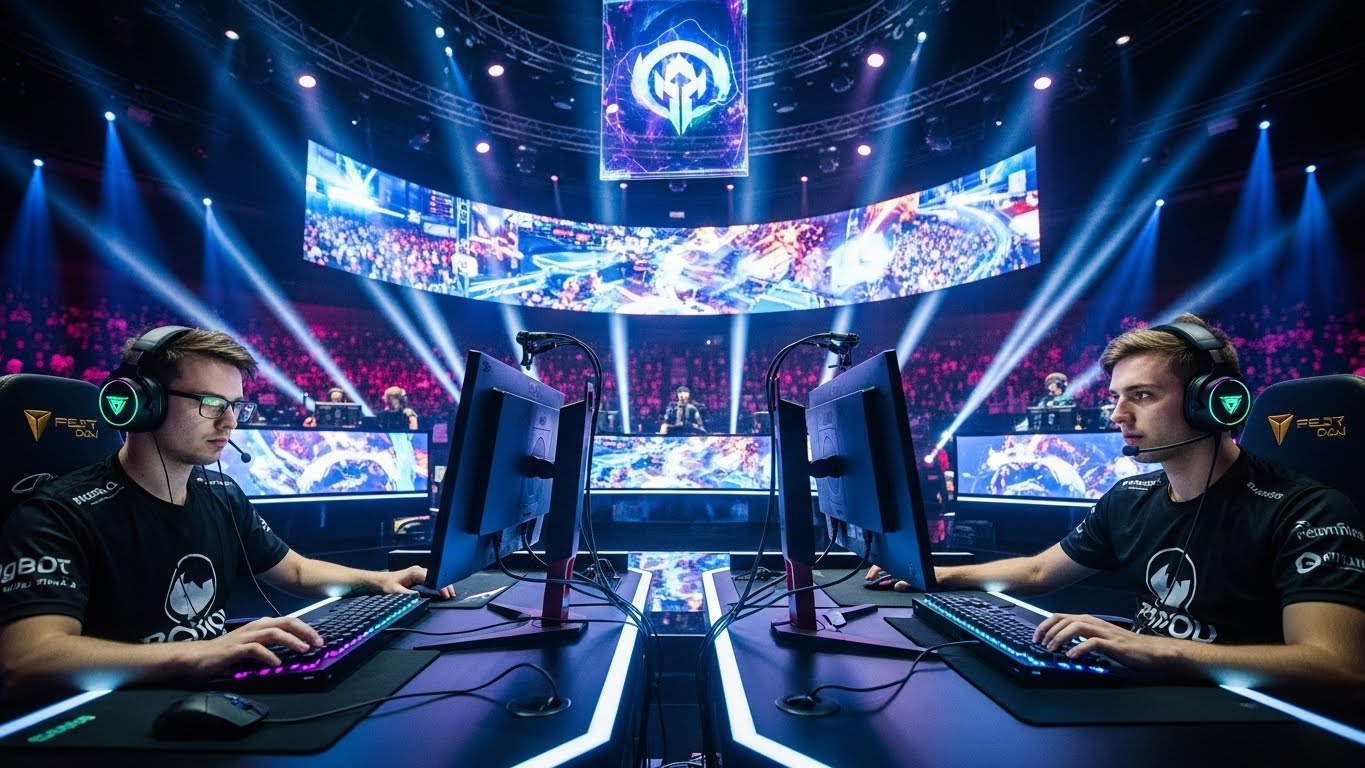
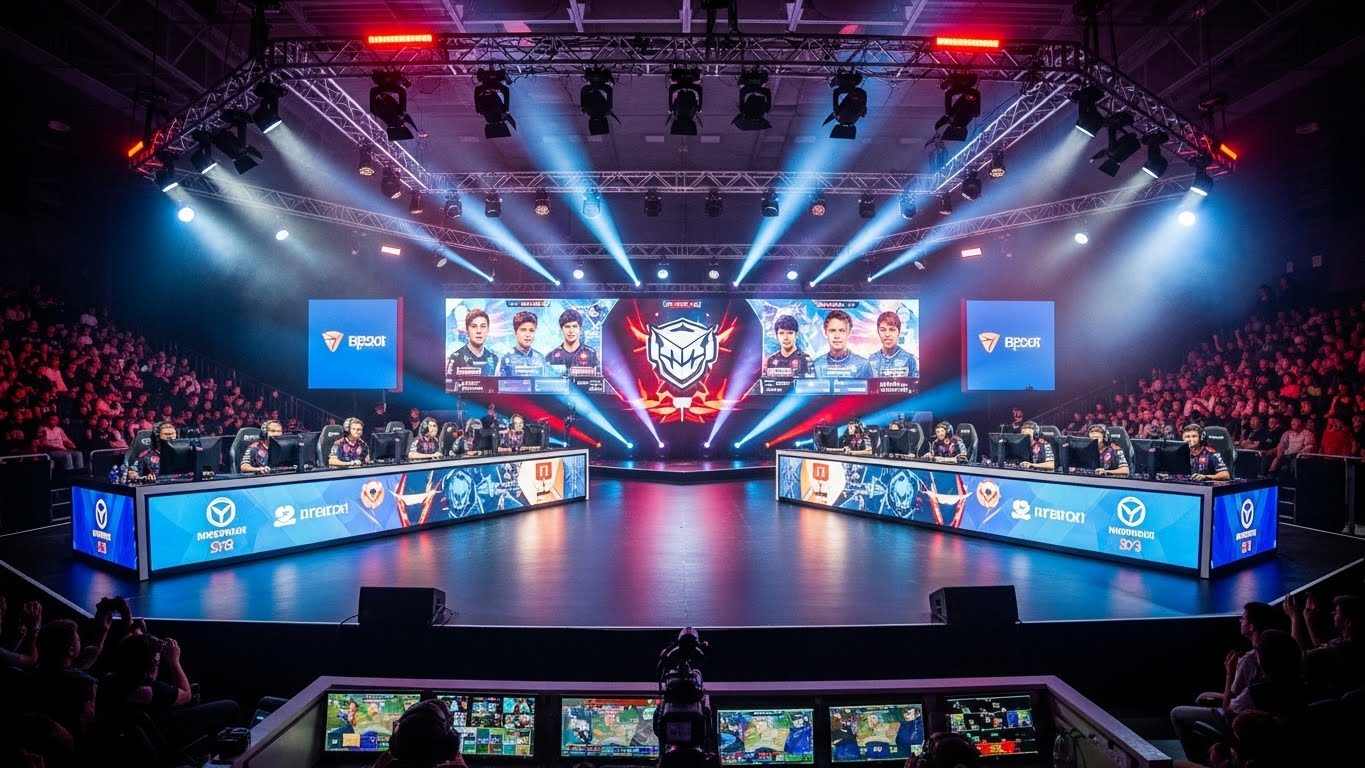
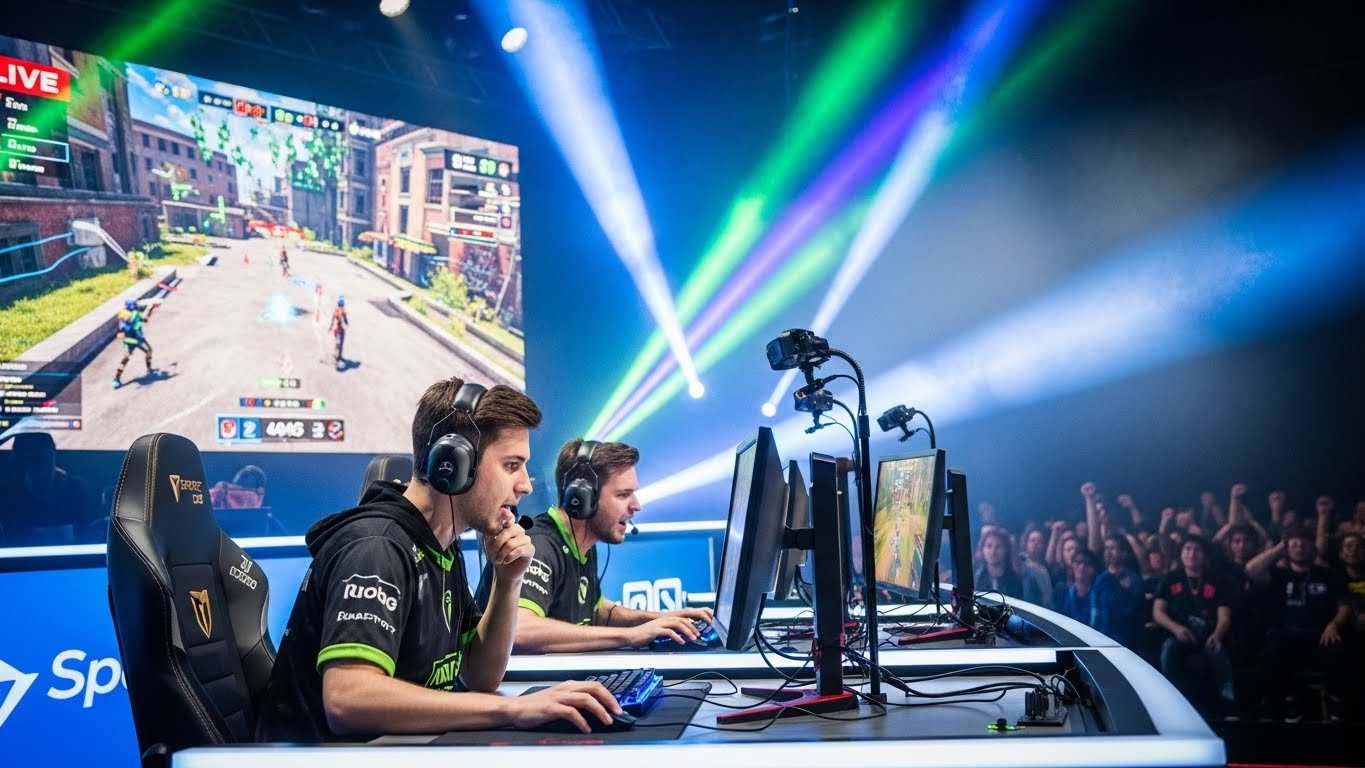
Esports tournaments now attract massive audiences. Major events, such as The International for Dota 2, the League of Legends World Championship, and Fortnite competitions, fill arenas and garner millions of online viewers. Fans engage through live streams, social media discussions, and fantasy esports leagues, creating a culture around these digital competitions.
The Role of Technology in Esports
Technology is at the heart of esports. High-performance computers, gaming consoles, and peripherals allow players to perform at their best. Fast internet connections and low-latency servers ensure smooth gameplay and fair competition.
Streaming technology has revolutionized how esports is consumed. Platforms enable fans to watch live matches, interact with players, and access commentary and analysis in real time. Data analytics also plays a key role, providing insights into player performance, strategies, and audience engagement. Technology ensures that esports remains competitive, fair, and engaging for players and fans alike.
Esports as a Career Path
Esports is more than just a hobby—it has become a viable career option. Professional players earn income through salaries, tournament winnings, sponsorships, and streaming revenue. Teams and organizations invest in training facilities, coaching staff, and performance analytics to develop elite players.
Beyond playing, esports careers include roles in management, marketing, broadcasting, content creation, and event organization. Analysts, commentators, and social media managers help build teams’ brands and engage audiences. The professionalization of esports has created a diverse ecosystem that offers opportunities for people with a wide range of skills.
The Cultural Impact of Esports
Esports has influenced popular culture, particularly among younger generations. It has shaped fashion, language, and entertainment trends. Iconic players become celebrities, inspiring fans to emulate their strategies, gear choices, and personal styles.
Streaming and content creation have further amplified esports’ cultural reach. Platforms like Twitch and YouTube allow players to interact with fans, share gameplay tutorials, and create entertainment content. Esports has also become a social platform, bringing together individuals who share interests in gaming, competition, and digital culture.
Esports and Education
Esports is increasingly being integrated into educational programs. Schools and universities now offer esports clubs, scholarships, and competitive teams. These initiatives teach teamwork, strategic thinking, and time management while promoting digital literacy and technological skills.
Educational programs also highlight career pathways in esports management, game design, broadcasting, and analytics. By bridging gaming with academics, esports encourages students to develop skills that are valuable both on and off the screen.
The Psychology of Competitive Gaming
Success in esports requires more than quick reflexes. Mental fortitude, focus, and strategic thinking are essential. Players must remain calm under pressure, adapt to opponents’ strategies, and maintain concentration during long tournaments.
Sports psychologists are increasingly involved in training esports athletes, helping them manage stress, improve decision-making, and enhance performance. Mental resilience is as crucial as physical skill, underscoring that esports is a demanding and disciplined form of competition.
Teamwork and Collaboration in Esports
Many esports games are team-based, requiring coordination, communication, and collaboration. Players must understand each other’s strengths, anticipate moves, and execute strategies seamlessly.
Teamwork in esports fosters social skills, leadership, and accountability. Players learn to handle conflict, make decisions under pressure, and support teammates. These lessons translate beyond gaming, benefiting players in personal, academic, and professional contexts.
The Economics of Esports
Esports has become a multi-billion-dollar industry. Revenue streams include sponsorships, advertising, media rights, merchandise, and ticket sales. Organizations invest heavily in branding, marketing, and infrastructure, reflecting esports’ economic potential.
Sponsorships from major brands, ranging from technology companies to consumer goods, indicate the commercial viability of esports. Advertising and media partnerships allow leagues and tournaments to reach global audiences, reinforcing esports’ place as a mainstream entertainment medium.
Esports and Inclusivity
Esports offers opportunities for individuals of all backgrounds, genders, and physical abilities. Unlike traditional sports, physical attributes such as height, strength, or mobility are less relevant, allowing a more diverse range of players to compete.
Inclusivity initiatives are growing within esports, promoting female participation, accessibility for disabled players, and outreach to underrepresented communities. By breaking barriers, esports fosters equality and opens competitive opportunities to everyone who is passionate about gaming.
The Social Aspect of Esports
Esports is inherently social. Online multiplayer games connect players across the globe, building friendships and communities. Social media and streaming platforms enhance interaction, allowing fans to discuss strategies, cheer for teams, and share experiences.
The social element extends to viewing experiences. Fans watch tournaments together, debate outcomes, and celebrate victories, mirroring the communal experience of traditional sports. Esports has created a digital culture that emphasizes connection, interaction, and shared passion.
Challenges Facing Esports
Despite its rapid growth, esports faces challenges. Professional players often face high levels of stress, long hours of practice, and physical strain from repetitive movements. Mental health support and work-life balance are emerging concerns.
Regulation and governance are also evolving. Standardizing rules, addressing cheating, ensuring fair play, and managing online harassment are critical for maintaining integrity. Additionally, the industry must address sustainability, ensuring that esports remains healthy, equitable, and responsible as it grows.
The Future of Esports
The future of esports is promising. Advances in technology, such as virtual reality, augmented reality, and cloud gaming, will create new forms of competition and immersive experiences. Esports may continue to expand into educational programs, mainstream entertainment, and global cultural influence.
Integration with traditional sports, mainstream media coverage, and increased investment from corporations will further elevate esports’ status. As audiences grow and technology evolves, esports is poised to become one of the most influential forms of entertainment and competition worldwide.
Conclusion: Esports as a New Frontier
Esports has transformed from a niche pastime into a global phenomenon. It combines strategy, skill, teamwork, and entertainment, offering opportunities for players, fans, and businesses alike. From professional tournaments and streaming platforms to educational programs and global fan communities, esports is redefining what it means to compete in the digital age.
The rise of esports demonstrates the convergence of technology, culture, and human ambition. It challenges traditional notions of sports, provides inclusive competitive opportunities, and creates social and economic value. Esports is more than a game—it is a platform for innovation, connection, and achievement in the modern era.
As technology continues to evolve and audiences expand, esports will remain a transformative force, inspiring players and fans to reach new heights, connect across borders, and embrace the thrill of digital competition.