Introduction
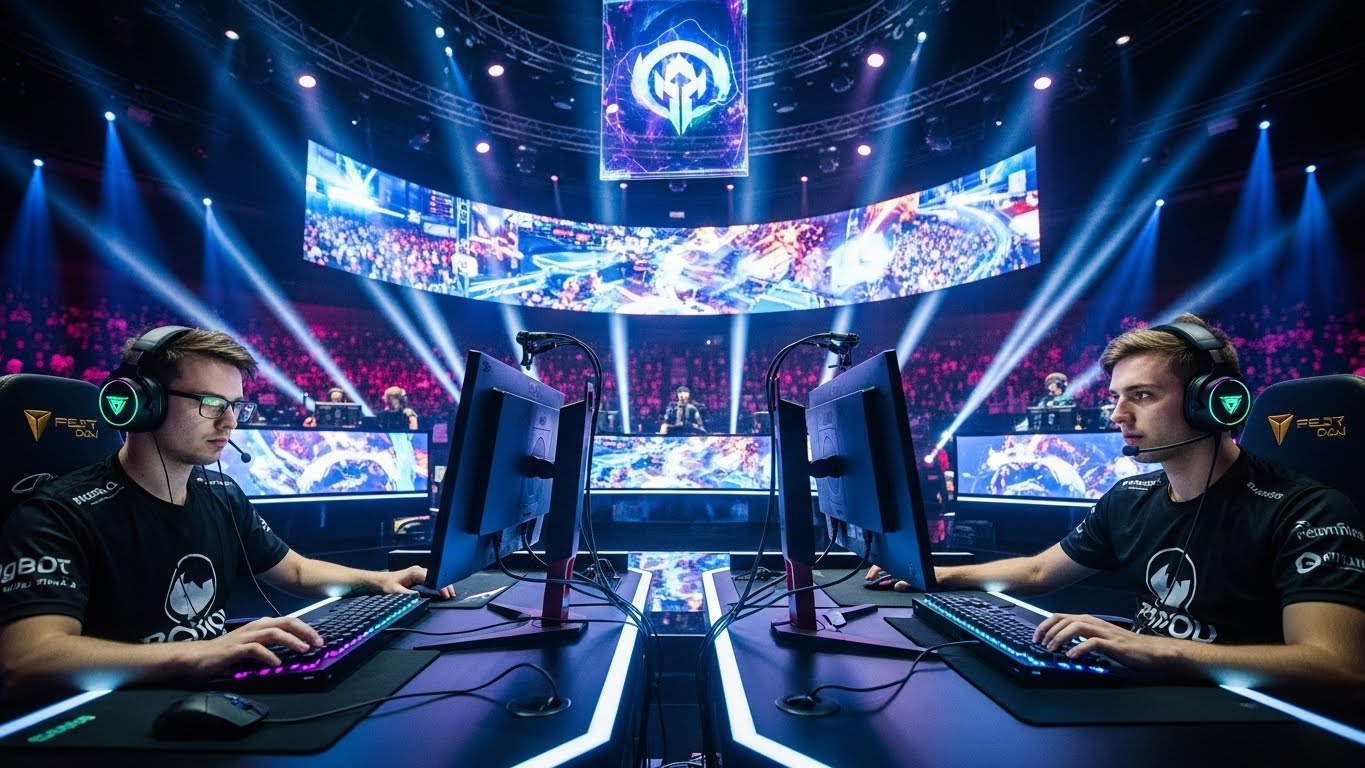
Esports, once considered a niche hobby for gamers, has rapidly transformed into a global phenomenon that rivals traditional sports in both popularity and economic impact. With professional players, massive tournaments, and worldwide audiences, esports has become a major part of contemporary entertainment and culture. Its growth reflects not only the increasing popularity of video games but also the changing ways in which people engage with competition, community, and digital media. This blog explores the evolution of esports, its cultural significance, its economic power, and what the future holds for this rapidly expanding industry.
The Evolution of Competitive Gaming
Competitive gaming has existed almost as long as video games themselves, but it was largely informal in the early days. High-score competitions, local arcade tournaments, and small online matches marked the beginning of a community-driven competitive scene. However, the professionalization of esports began in the early 2000s with organized leagues, sponsorships, and live streaming.
Games like StarCraft, Counter-Strike, and Dota 2 played a pivotal role in establishing esports as a legitimate competitive field. These games required not only skill but also strategy, teamwork, and quick decision-making, creating a level of depth comparable to traditional sports. Over time, esports moved from small-scale competitions to massive international tournaments with substantial prize pools and media coverage, signaling a new era in digital competition.
Popular Esports Games and Their Influence
Esports is not a monolith; it spans a variety of game genres, each with its own competitive scene and fanbase. Multiplayer online battle arenas, or MOBAs, like League of Legends and Dota 2, are among the most popular, attracting millions of players and viewers worldwide. First-person shooters such as Counter-Strike: Global Offensive and Valorant combine precision, strategy, and teamwork, creating high-stakes, intense competitions.
Battle royale games like Fortnite and Apex Legends have brought a different dynamic to esports, emphasizing quick reflexes, adaptability, and audience engagement. Sports simulation games such as FIFA and NBA 2K allow traditional sports fans to engage with esports in a familiar format. Each genre contributes to the diversity and richness of esports, allowing audiences with different interests to find their niche.
The Role of Streaming Platforms in Esports Growth
Streaming platforms have played an essential role in making esports accessible to a global audience. Services that allow live broadcasts of gameplay, commentary, and tournaments have transformed how fans consume competitive gaming. Platforms provide opportunities for amateur players to showcase their skills and for professional players to build personal brands.
Live streaming also creates a sense of community. Fans can interact in real time, discuss strategies, and support their favorite teams or players. The integration of live chats, reactions, and social media has turned esports into an interactive spectacle rather than a passive viewing experience. This level of engagement sets esports apart from many traditional sports broadcasts.
The Economic Power of Esports
The financial impact of esports is staggering. Revenue streams come from sponsorships, advertising, media rights, merchandise, ticket sales, and game publisher investments. Major tournaments offer prize pools reaching millions of dollars, attracting talent from around the world. The professionalization of esports has created new career opportunities beyond playing, including coaching, management, broadcasting, event organization, and content creation.
Brands recognize the marketing potential of esports, reaching a younger, digitally engaged audience that is often harder to access through traditional advertising. From tech companies to lifestyle brands, sponsorships and partnerships have fueled the growth of esports, helping it evolve into a billion-dollar industry with global influence.
Esports as a Career: Challenges and Opportunities
While esports offers lucrative opportunities for top players, it is also highly competitive and demanding. Professional players dedicate hours each day to training, strategizing, and practicing teamwork. Physical and mental stamina are crucial, as competitive gaming requires focus, reflexes, and resilience under pressure.
Coaching, content creation, and event management are alternative career paths for those passionate about esports but not inclined to compete professionally. These roles are equally important to the ecosystem, contributing to the development of talent, fan engagement, and the overall success of the industry.
The Social and Cultural Impact of Esports
Esports has reshaped social dynamics and cultural perceptions of gaming. Competitive gaming fosters communities where people bond over shared interests, strategies, and experiences. Online forums, live chats, and fan groups create spaces for connection, collaboration, and support.
Moreover, esports has contributed to breaking stereotypes about gaming. It emphasizes skill, discipline, teamwork, and strategic thinking, qualities often associated with traditional sports. By gaining mainstream recognition, esports challenges the perception of gaming as merely a casual pastime and highlights its cultural and professional significance.
Global Esports Events and Tournaments
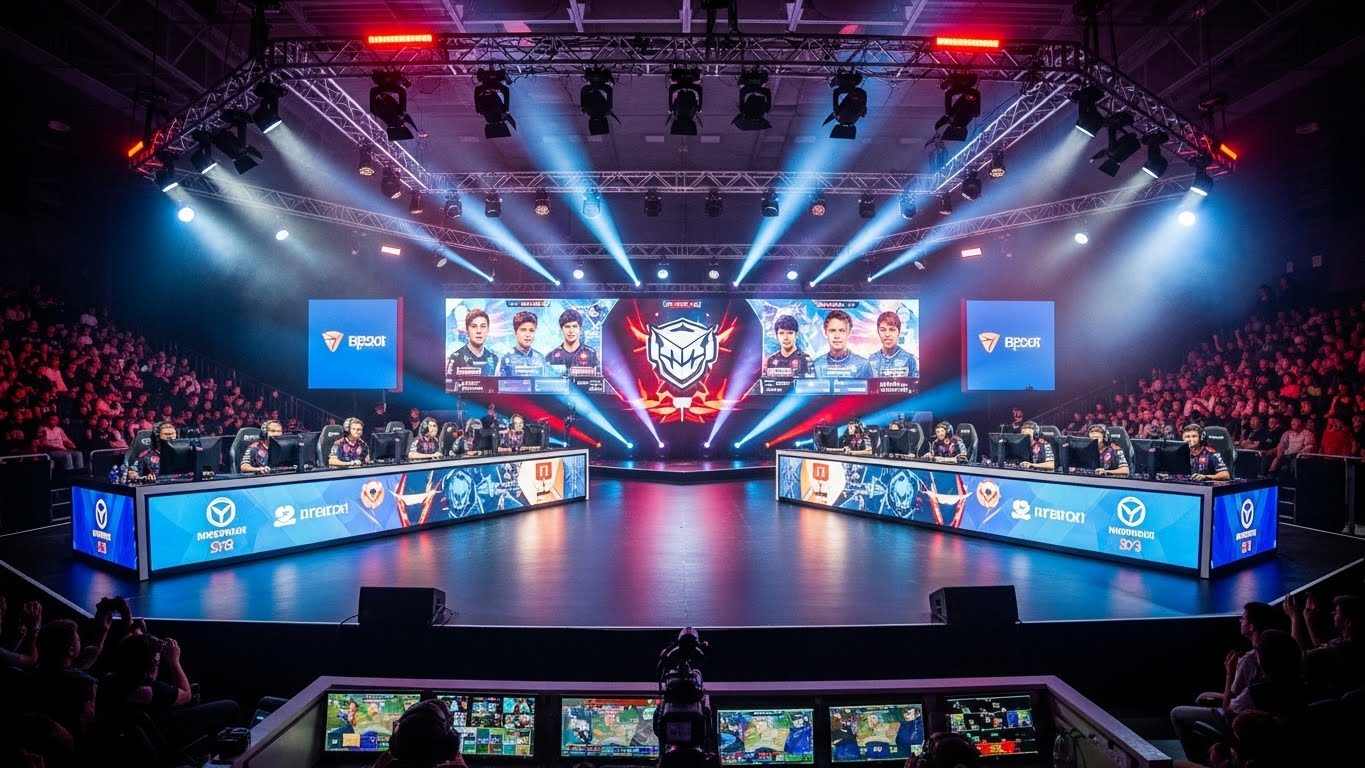
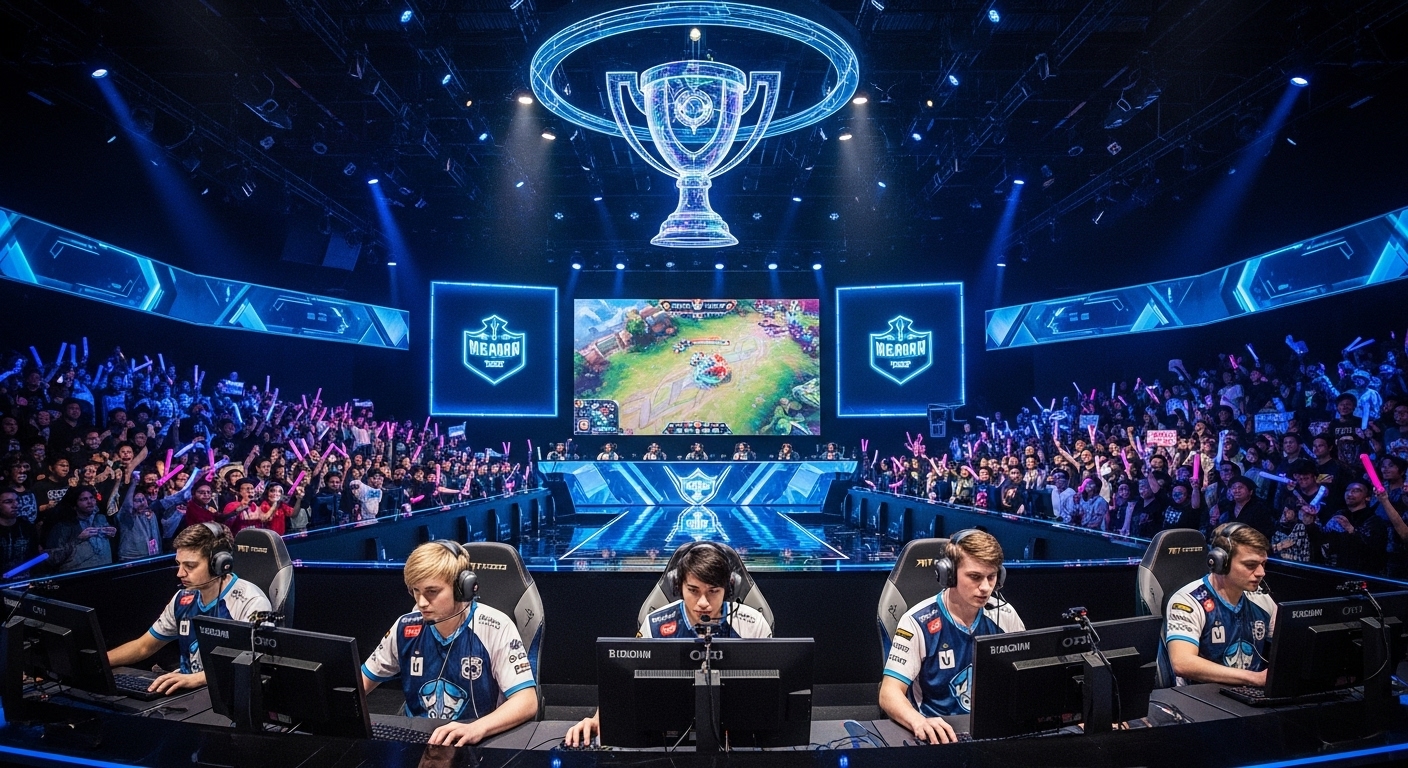
Major esports tournaments have become spectacles that attract millions of viewers worldwide. Events like The International, League of Legends World Championship, and EVO (Evolution Championship Series) showcase the best talent, featuring high production value, intense competition, and fan engagement.
These tournaments are not only competitions but also cultural events. They bring fans together, both online and in physical venues, creating a shared experience that transcends geography. The excitement of live events, combined with digital accessibility, has turned esports into a unifying force for global communities.
Technology and Innovation in Esports
Technology drives esports forward in multiple ways. High-speed internet, advanced graphics, and game design innovations enhance the competitive experience and spectator enjoyment. Analytics tools, performance tracking, and AI-driven training programs are increasingly used by professional teams to gain a competitive edge.
Virtual reality and augmented reality also promise to revolutionize esports by creating immersive, interactive environments for players and audiences alike. Innovations in broadcast technology and digital engagement continue to enhance how fans experience esports, making it more exciting, interactive, and accessible than ever before.
The Future of Esports
The future of esports is promising and full of potential. Growth is expected to continue as new games emerge, audiences expand, and technology evolves. Educational programs focused on esports are being introduced in schools and universities, legitimizing competitive gaming as a career path.
Esports will likely continue integrating with other entertainment industries, including music, film, and traditional sports, creating hybrid experiences that appeal to diverse audiences. The rise of mobile esports is also opening opportunities in regions with limited access to high-end gaming setups, further democratizing the industry.
Conclusion
Esports has evolved from a niche hobby into a global powerhouse, reshaping entertainment, culture, and professional competition. Its growth demonstrates the power of technology, creativity, and community in connecting people across the world. From professional players and tournaments to streaming platforms and fan communities, esports has become a multifaceted industry that offers opportunities, excitement, and inspiration.
As the lines between traditional sports and digital competition continue to blur, esports is poised to grow even further, influencing the way people play, watch, and engage with games. It is no longer just gaming; esports is a cultural movement, a professional domain, and a global phenomenon that is here to stay.