
Introduction
Sports have been an integral part of human society for centuries, transcending borders, cultures, and generations. They are more than just physical activities; they are a celebration of skill, discipline, teamwork, and perseverance. From local playgrounds to international stadiums, sports bring people together, inspire communities, and shape cultural identity. The impact of sports goes beyond entertainment, influencing health, education, economics, and social cohesion. This blog explores the multifaceted world of sports, their evolution, significance, and enduring influence on individuals and societies worldwide.
The History and Evolution of Sports
The origins of sports can be traced back to ancient civilizations, where physical contests were often linked to rituals, survival, and military training. Early humans engaged in running, wrestling, archery, and swimming as both leisure activities and preparation for real-world challenges.
The ancient Olympic Games in Greece formalized competitive sports, celebrating athleticism, honor, and cultural pride. Sports became a structured activity, with rules, records, and spectatorship. Over centuries, organized competitions spread globally, evolving into modern sports as we know them today. With the industrial revolution, professional leagues emerged, codifying rules and standardizing competition, transforming sports from casual activities into formalized institutions with societal impact.
The Role of Sports in Modern Society
Sports play an essential role in modern life, influencing physical health, mental well-being, and social interaction. Participation in sports improves cardiovascular health, strength, flexibility, and endurance. Regular physical activity through sports reduces the risk of chronic illnesses, such as obesity, diabetes, and heart disease.
Beyond physical benefits, sports promote mental health. They help reduce stress, anxiety, and depression by releasing endorphins and providing an outlet for energy and focus. Sports also teach life skills such as time management, goal-setting, resilience, and leadership, which are valuable both on and off the field.
The Global Appeal of Sports
One of the most remarkable aspects of sports is their universal appeal. Football, basketball, cricket, tennis, and athletics are followed passionately across the globe. Sports have the power to unite people regardless of language, nationality, or social background. International competitions like the FIFA World Cup, the Olympic Games, and the Wimbledon Championships bring nations together in celebration, fostering a sense of global community and cultural exchange.
Sports also provide entertainment and excitement to millions, whether through live matches, televised events, or digital streaming platforms. Fans engage emotionally, supporting teams, players, and national pride, demonstrating the profound connection between sports and human experience.
Professional Sports: Careers and Opportunities
The professionalization of sports has created careers for athletes, coaches, trainers, and sports administrators. Elite athletes dedicate their lives to rigorous training, honing skills, and achieving excellence in their respective fields. Professional sports require discipline, dedication, and mental resilience, much like traditional professions.
Beyond athletes, the sports industry provides employment in coaching, officiating, physiotherapy, sports marketing, broadcasting, event management, and sports journalism. Sponsorships and brand partnerships further contribute to the economic ecosystem of sports, turning passion into sustainable careers.
Popular Sports and Their Unique Appeal
Different sports offer unique experiences, challenges, and cultural significance.
Football
Football, or soccer, is the world’s most popular sport due to its simplicity, accessibility, and competitive excitement. From local community matches to international leagues, football unites people and inspires millions. Its global tournaments showcase talent, national pride, and extraordinary athleticism.
Basketball
Basketball combines speed, skill, and strategy. Its popularity has grown worldwide, particularly in North America and Europe. Basketball promotes teamwork, agility, and precision while providing entertainment through fast-paced games and spectacular plays.
Cricket
Cricket is celebrated for its cultural heritage, particularly in countries like India, England, and Australia. The game combines patience, strategy, and athleticism. Its formats, ranging from Test matches to Twenty20, offer both traditional and modern appeal, engaging fans globally.
Athletics
Track and field events epitomize human endurance, speed, and strength. Running, jumping, and throwing events showcase individual talent while promoting physical excellence. Athletics remains central to global sporting competitions and serves as a foundation for fitness and training programs worldwide.
Swimming and Water Sports
Water sports develop strength, coordination, and resilience. Swimming, diving, and water polo not only challenge physical capabilities but also improve mental focus and discipline. They are vital for personal safety and fitness, with wide recreational and competitive appeal.
The Psychological and Social Benefits of Sports
Engaging in sports provides substantial mental and emotional benefits. Athletes develop discipline, strategic thinking, and problem-solving skills. Team sports teach communication, collaboration, and conflict resolution. Individual sports foster self-reliance, focus, and goal achievement.
Socially, sports encourage bonding, community participation, and a sense of belonging. Fans connect over shared experiences, discussing strategies, celebrating victories, and supporting local teams. Sports also provide opportunities for mentorship, leadership, and role modeling, particularly for young people.
Technology and Sports: Revolutionizing the Game
Technology has transformed sports in multiple ways, enhancing performance, training, and spectator experiences. Advanced analytics track athlete performance, providing data for improvement and injury prevention. Wearable devices monitor heart rates, speed, and movement patterns, allowing athletes to optimize training routines.
Broadcasting technology has made sports more accessible, bringing live games to global audiences. Virtual reality and augmented reality enhance fan engagement, offering immersive experiences and interactive viewing. Digital platforms also allow fans to follow statistics, watch replays, and connect with teams in real time.
The Economic Impact of Sports
Sports contribute significantly to national and global economies. Large sporting events stimulate tourism, create employment, and generate revenue through ticket sales, merchandise, and media rights. Stadiums, training centers, and sports facilities drive urban development and community engagement.
Sponsorships and branding partnerships play a major role in the financial success of sports. Professional leagues, tournaments, and clubs rely on corporate investment, creating a sustainable economic model that supports athletes, staff, and related industries.
Challenges in the Sports Industry
Despite its benefits, the sports industry faces challenges. Issues such as doping, corruption, match-fixing, and exploitation can tarnish the spirit of competition. Mental health challenges and burnout among professional athletes require careful attention and support systems.
Gender inequality, lack of access to facilities, and regional disparities limit opportunities for aspiring athletes in many parts of the world. Promoting inclusivity, fairness, and ethical practices is crucial to maintaining the integrity and growth of sports.
Sports and Education
Sports play an important role in education by promoting physical activity, discipline, and teamwork. Schools that integrate sports into their curriculum encourage holistic development. Student-athletes learn time management, resilience, and leadership, balancing academics with competitive activities.
Collegiate sports programs provide pathways for talented athletes to pursue professional careers while earning education. Scholarships and training opportunities make sports an avenue for upward mobility and personal growth.
The Future of Sports
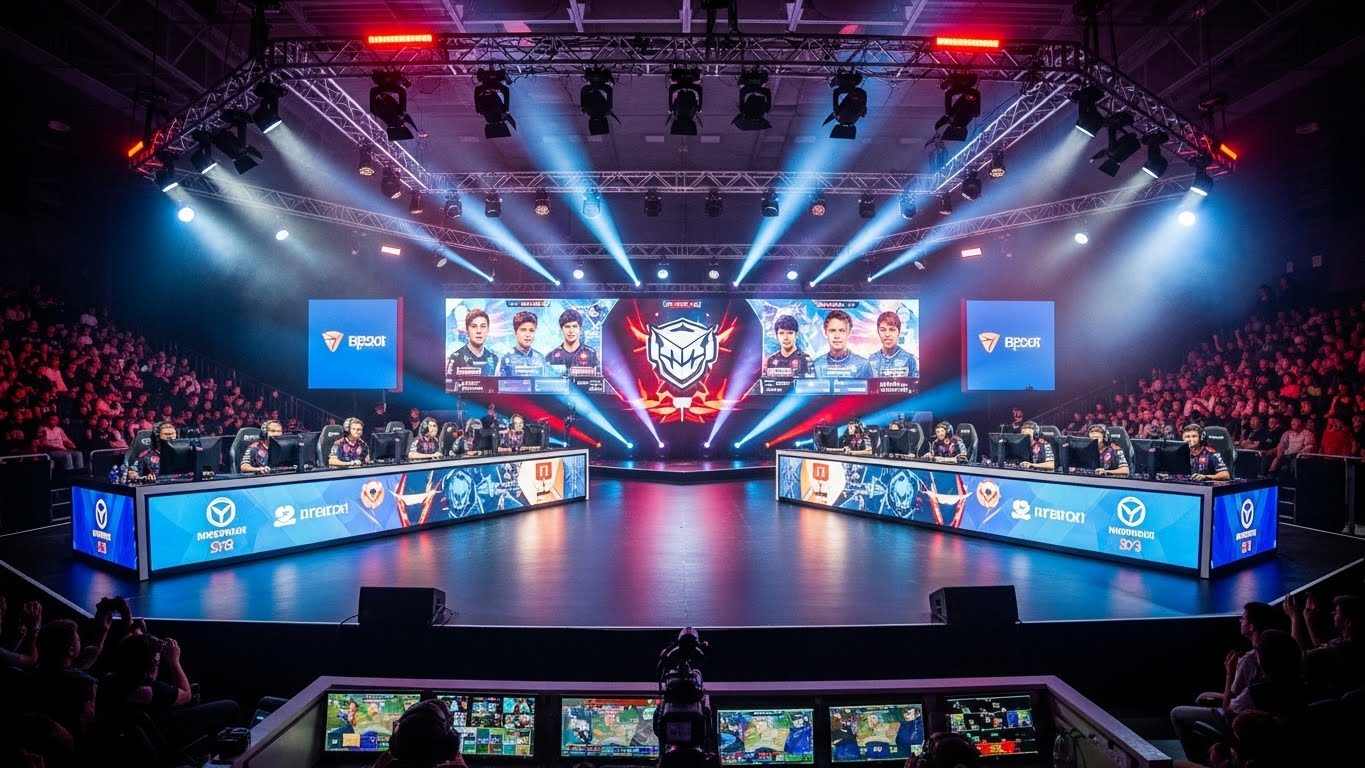
The future of sports is bright, with technology, globalization, and cultural integration shaping its trajectory. Digital innovations, such as esports and virtual competitions, are complementing traditional sports, creating new avenues for engagement. Training methods and performance analytics will continue to enhance athlete development.
Sustainability and inclusivity will be central to sports in the coming years. Efforts to reduce environmental impact, promote equal access, and ensure ethical governance will define the long-term growth of the industry. Sports will continue to inspire, unite, and entertain, remaining a vital part of human culture.
Conclusion
Sports are more than games; they are a reflection of human ambition, teamwork, and perseverance. They inspire individuals, build communities, and shape cultural identity. From ancient competitions to modern professional leagues, sports have remained a unifying force, celebrating excellence, resilience, and shared experiences.
As society evolves, sports will continue to adapt, incorporating technology, education, and global perspectives. They will remain a source of inspiration, entertainment, and personal development for generations to come, proving that the spirit of competition and camaraderie is an enduring and transformative part of human life.