Introduction: The Rise of a Digital Phenomenon
Over the last decade, esports has transformed from a niche hobby to a global spectacle that draws millions of viewers, generates vast economic value, and reshapes how younger generations interact with competition and entertainment. What was once a pastime enjoyed in living rooms and internet cafés has grown into a multibillion-dollar industry with professional leagues, high-stakes tournaments, lucrative sponsorship deals, and star players who command international fanbases. Today, esports stands shoulder-to-shoulder with traditional sports, challenging long-held perceptions of athleticism, teamwork, and digital culture.
This blog explores how esports reached its current height, why it connects so deeply with modern audiences, and where the industry is heading next.
The Early Foundations of Competitive Gaming
Esports did not emerge overnight. Its roots stretch back to the early days of arcade gaming and home consoles. The first widely recognized competitive gaming event occurred in the early 1980s, when players gathered to compete in arcade titles like Space Invaders and Pac-Man. Although small by today’s standards, these events planted the seeds for organized competition.
The 1990s brought the internet revolution, which significantly changed gaming. Titles like Doom, StarCraft, and Quake introduced online multiplayer matches, enabling players from different locations to compete against one another. This era also saw the formation of early esports teams and the first signs of spectator communities forming around skilled players. Though technology at the time was limited, the excitement around virtual competition was unmistakable.
Esports Goes Global: The 2000s Expansion
With the advent of broadband internet, gaming leagues became far more structured. Competitive gaming hubs appeared in South Korea, where government investment, ultra-fast internet, and dedicated gaming spaces led to the rise of a passionate esports culture. Televised matches, professional gaming clubs, and sponsored teams became common there long before they appeared globally.
Other regions followed suit. Europe and North America saw the creation of major tournaments, and prize pools gradually grew. Competitive titles such as Counter-Strike, Warcraft III, and Dota established the blueprint for professional esports: team strategy, individual skill, and a passionate fanbase.
By the end of the decade, esports was still evolving, but the foundation of what it would become was firmly set.
The Streaming Era: How Esports Captured the Youth
One of the most pivotal moments in esports history came with the rise of live-streaming platforms. These platforms allowed players to broadcast their gameplay to global audiences instantly. This not only democratized esports viewership but also gave rise to gaming influencers and content creators who helped popularize competitive titles.
Fans were no longer limited to attending in-person events; they could follow their favorite players daily, interact with them, and learn from their gameplay. Esports became a social activity, a community hub, and even a cultural movement. The intimacy of streaming strengthened the connection between players and fans, giving esports a relationship-driven momentum that traditional sports struggled to replicate in digital spaces.
The Professionalization of Esports
Today’s esports industry is built on structure, organization, and professionalism. Major titles such as League of Legends, Dota 2, Counter-Strike, Valorant, and Rocket League have established leagues, seasonal tournaments, and standardized rulesets. Players are drafted into teams, sign contracts, earn salaries, and often live in training facilities designed to support their physical, mental, and strategic development.
Coaches, analysts, and sports psychologists now play crucial roles in elevating team performance. Today’s top esports athletes train for hours daily, studying their competitors’ strategies and refining their mechanical skills. This level of dedication has dispelled the myth that esports lacks discipline or athletic rigor.
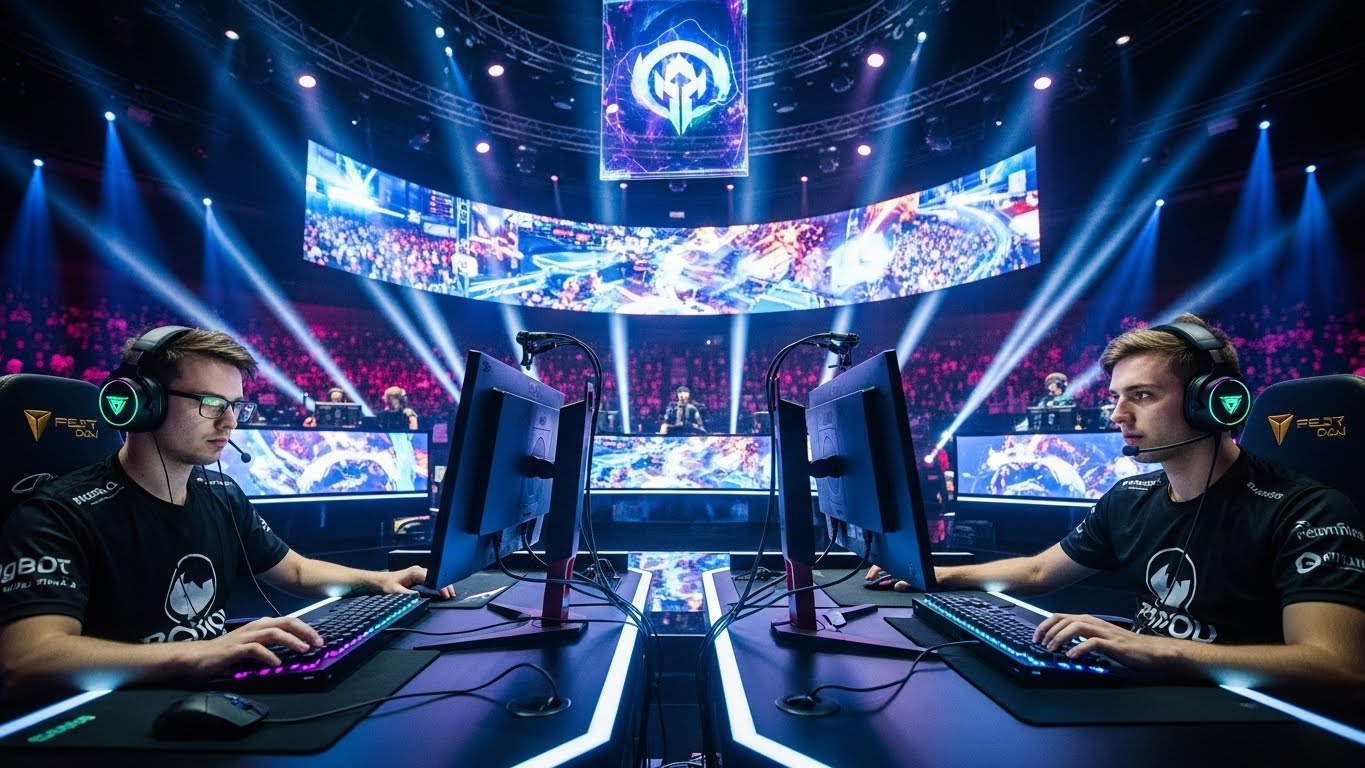
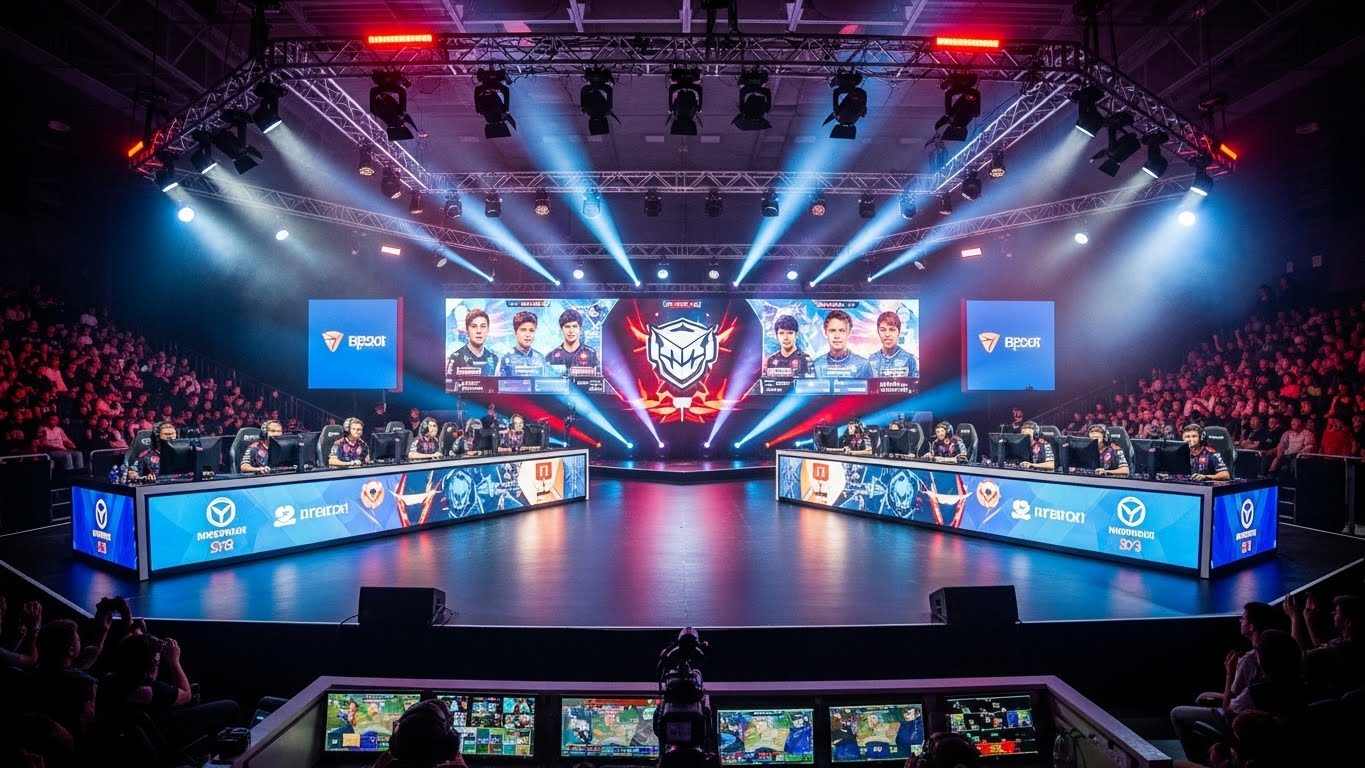
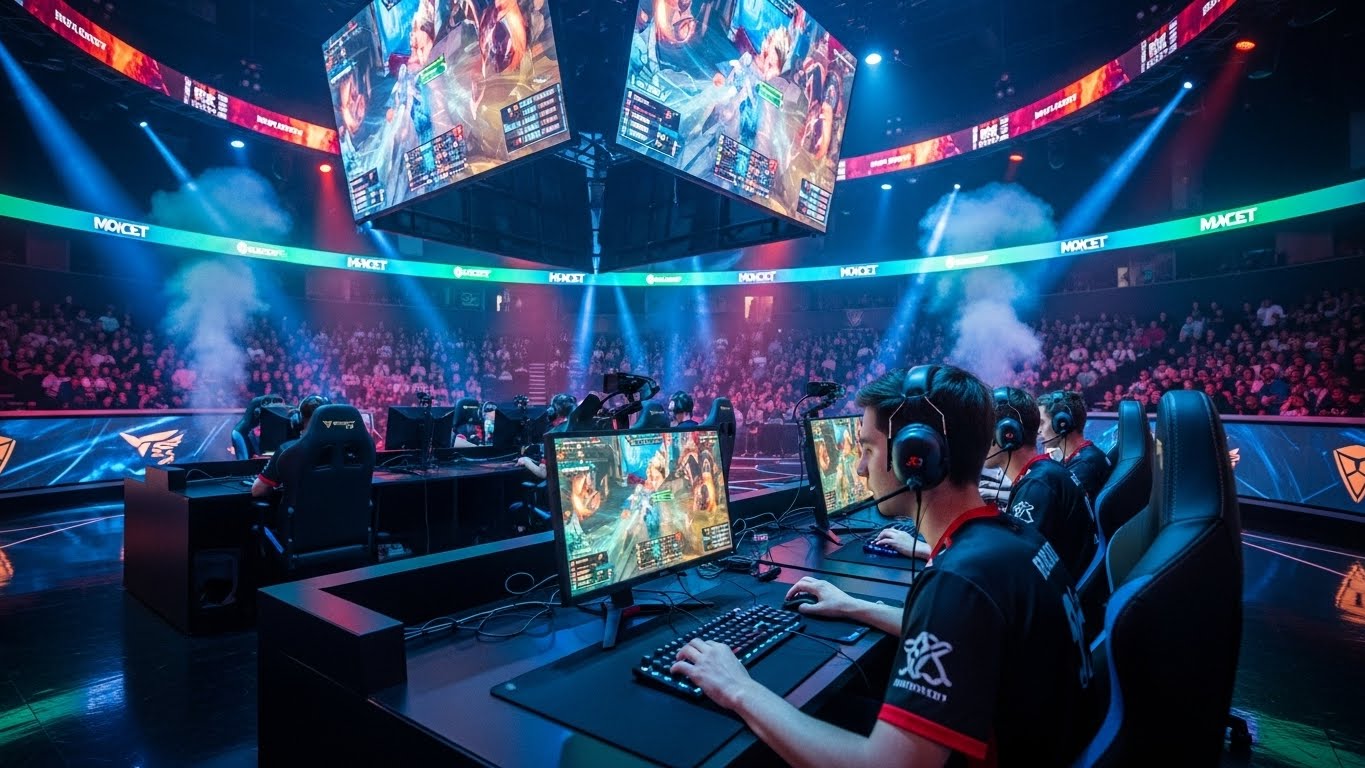
Additionally, stadium events have become major spectacles. Cheering crowds, immersive lighting, digital effects, and theatrical production elevate tournaments to the level of traditional sporting finals. The excitement, tension, and triumphs of esports moments echo those found in any physical arena.
Why Esports Connects with Modern Audiences
Esports resonates with today’s audiences for many reasons:
Accessibility
Anyone with a computer or console can attempt to play the same games that top players compete in. This inclusivity lets fans imagine themselves climbing the competitive ladder.
Global Community
Esports fandom transcends geography. A viewer in one part of the world can cheer for a team based thousands of miles away, interacting with fans from dozens of countries at once. The sense of connection is powerful.
Digital Native Appeal
Younger generations have grown up online. They engage with digital content instinctively, making esports a natural extension of their entertainment habits.
Interactive Experience
Unlike traditional sports, esports fans can immediately apply what they see in broadcasts to their own gameplay. This creates an active, engaged form of viewership.
Fast-Evolving Games
Esports titles are constantly updated, ensuring that the competitive landscape stays dynamic. Viewers never feel like they are watching the same game for years without change.
The Economics Behind Esports Growth
The economic ecosystem of esports is diverse and rapidly expanding. Revenue is generated through sponsorships, advertising, merchandise sales, media rights, and live event ticketing. Major brands from technology, fashion, automotive, food, and finance sectors have entered the scene, eager to tap into the youthful, global audience that esports offers.
Prize pools have reached multi-million-dollar levels, with some tournaments offering amounts rivaling or surpassing traditional sports championships. This financial growth has attracted investors, celebrities, and even professional sports organizations. Esports franchises have become valuable assets, generating income through brand partnerships and fan engagement.
Educational and Career Opportunities in Esports
Esports has also begun influencing education and career paths. Schools and universities worldwide now offer esports scholarships, competitive clubs, and academic programs focusing on game design, digital media, and sports management. Students who once viewed gaming as a casual hobby can now pursue professional careers as players, coaches, broadcasters, event organizers, or developers.
This integration represents a significant cultural shift. Gaming is no longer seen as a distraction but as a legitimate pathway to skill development, teamwork experience, and creative expression.
The Challenges Facing the Esports Industry
Despite its rapid growth, esports also faces important challenges:
Player Health and Burnout
Top players often train intensely for long hours, which can result in physical strain, mental stress, and shortened careers.
Regulation and Fair Play
Esports still lacks the universal governance seen in traditional sports. Issues like doping, cheating, and contract disputes require stronger oversight.
Financial Stability for Smaller Teams
While top organizations thrive, smaller teams struggle with sponsorships and funding.
Game Dependence
Esports is deeply tied to the publishers who control the games. Sudden changes or shutdowns can impact entire competitive scenes.
Addressing these challenges is crucial for ensuring long-term sustainability.
The Future of Esports: What Comes Next?
The future of esports is filled with innovation and opportunity. Emerging technologies like virtual reality, augmented reality, and AI-driven analytics promise to push competition to new heights. We may soon see hybrid gaming-sporting events where digital and physical interactions blend seamlessly.
Additionally, as mainstream acceptance grows, esports may become a regular feature in international sporting festivals, bringing even more legitimacy and visibility.
Esports will also likely continue expanding into mobile platforms, tapping into a global audience that primarily uses smartphones for gaming. The rise of mobile competitive titles has already proven that accessibility can drive massive engagement.
Finally, the lines between gaming, content creation, and entertainment will blur further. Esports organizations are evolving into full-scale entertainment brands that produce lifestyle content, apparel, and multimedia projects.
Conclusion: A New Era of Competition
Esports is more than just gaming. It is a cultural force that unites people across continents, inspires young talent, and showcases the power of digital connection. From its humble beginnings in arcades and community tournaments to sold-out arenas and millions of online viewers, the journey of esports reflects the evolution of modern entertainment.
As technology continues to advance and societies embrace digital experiences more fully, esports will only grow stronger. It has become a stage where strategy, skill, teamwork, and passion converge, offering a thrilling new frontier for competition in the twenty-first century.