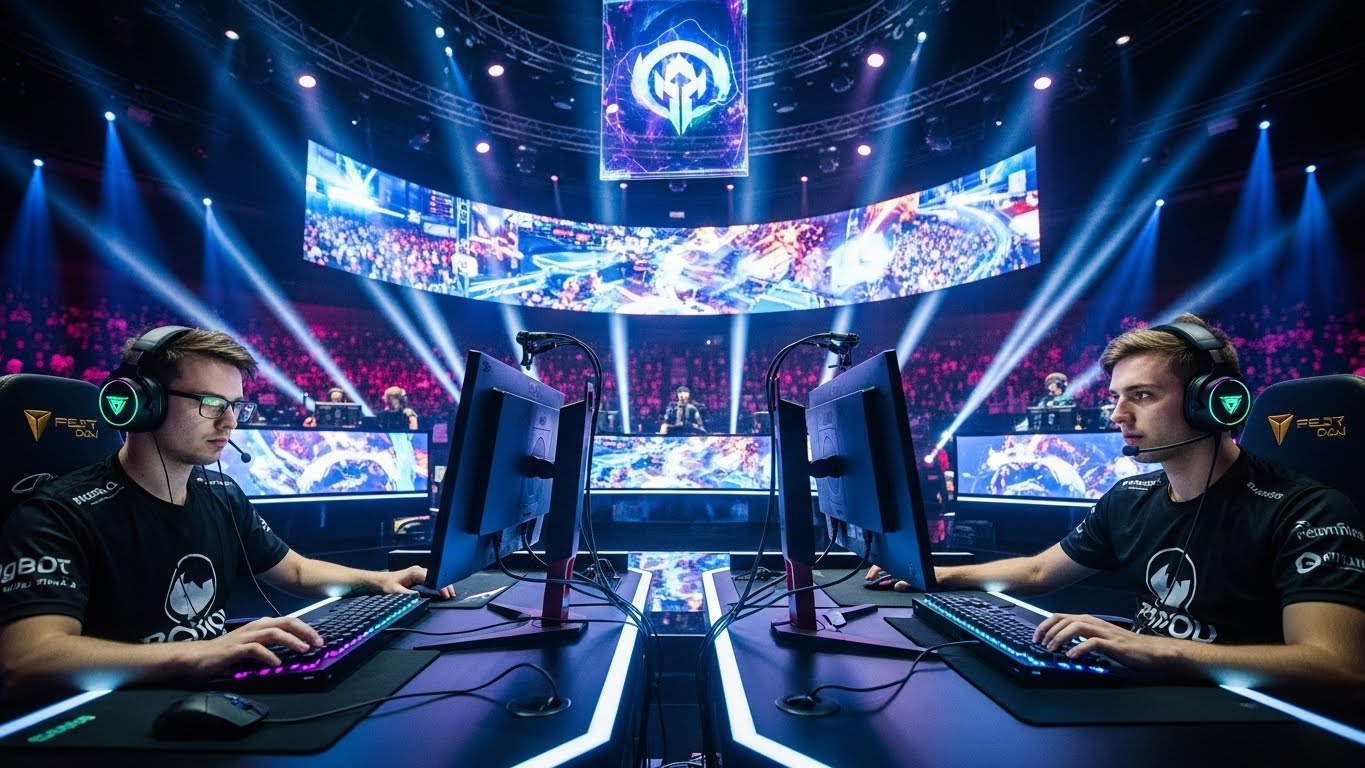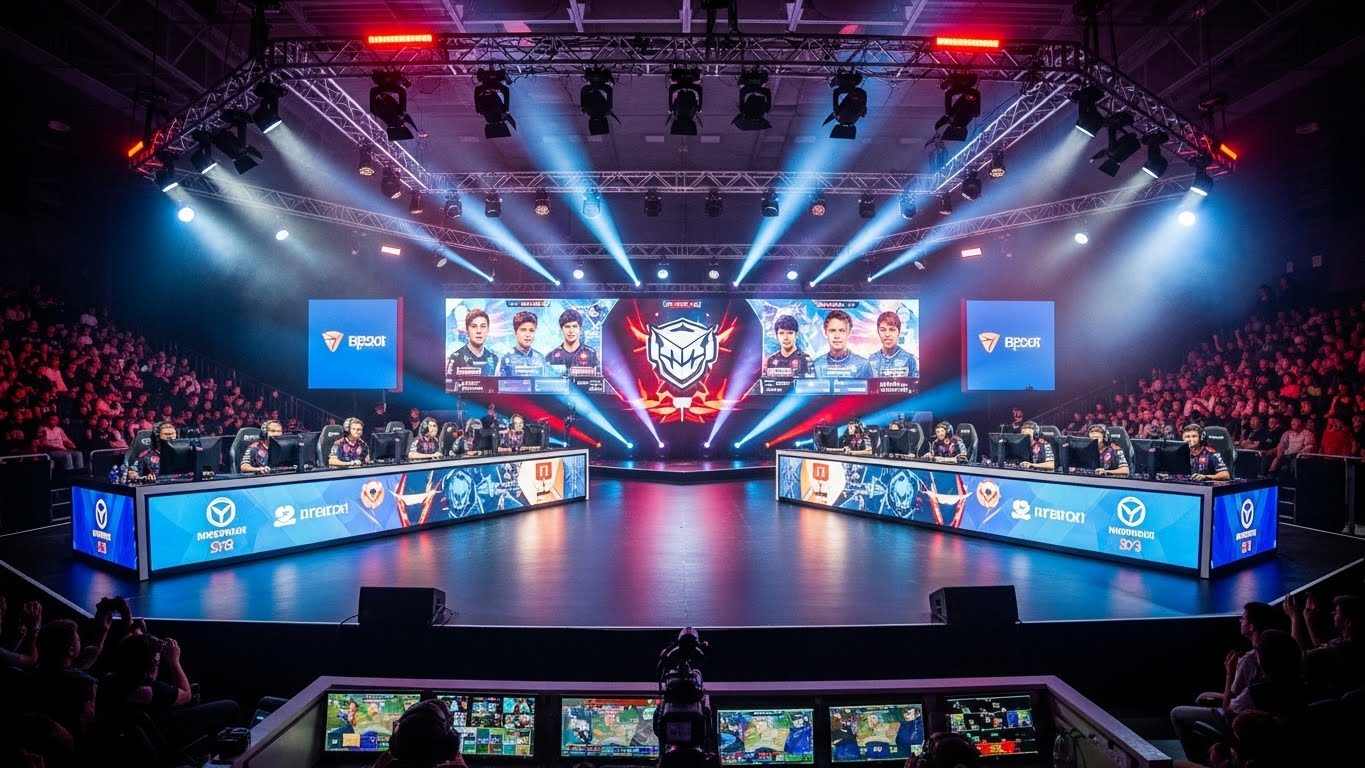
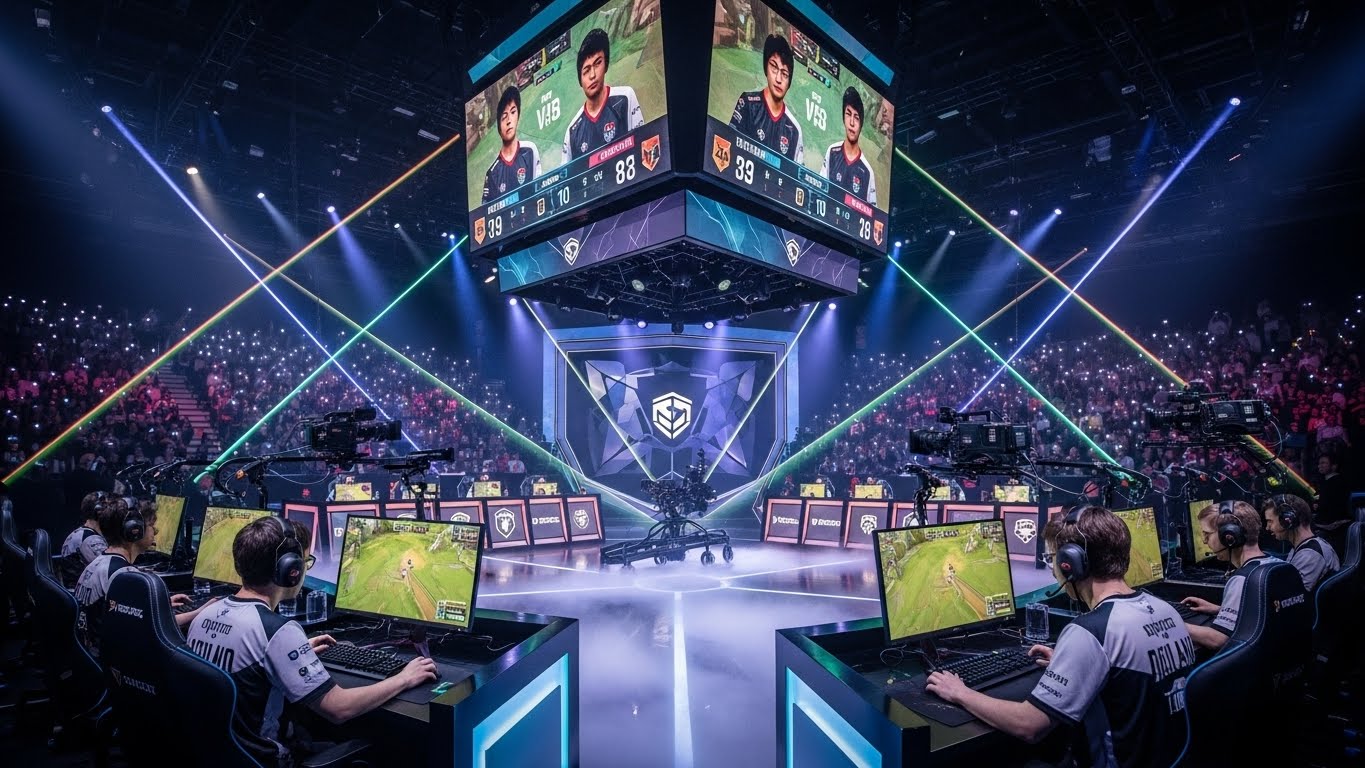
Esports, short for electronic sports, has exploded in popularity over the past decade. What once started as a niche hobby among hardcore gamers has evolved into a global multi-billion-dollar industry. With massive tournaments, sponsorship deals, celebrity players, and dedicated fan bases, esports has solidified its place as a prominent form of entertainment. But what exactly is esports, and why has it become so popular? In this blog post, we will dive deep into the world of esports, examining its history, growth, major games, the ecosystem surrounding it, and what the future holds for this digital revolution.
What is Esports?
Esports is essentially competitive video gaming at a professional level. Unlike casual gaming, where players simply play for fun, esports focuses on organized, multiplayer video game competitions, often involving professional players or teams. These competitions can take place in various formats, from online tournaments to massive live events streamed to millions of viewers across the globe.
What sets esports apart from traditional video games is the competitive nature, similar to how traditional sports like football, basketball, or soccer are played professionally. Esports players train rigorously, developing their skills to compete at the highest level. These tournaments can have prize pools that reach millions of dollars, with top players and teams gaining celebrity-like status within the gaming community.
A Brief History of Esports
The history of esports dates back to the 1970s, but it wasn’t until the late 1990s and early 2000s that the industry began to gain significant traction. The first notable esports event took place in 1972, when Stanford University hosted a tournament for the game Spacewar. However, it wasn’t until the advent of the internet and online multiplayer games that esports truly began to grow.
The turn of the millennium saw the rise of some of the first major esports competitions. One of the key moments was the launch of StarCraft in 1998, which became one of the most significant games in esports history. South Korea, in particular, embraced esports early on, and the country’s national television networks began broadcasting StarCraft matches. This laid the foundation for what would become a global phenomenon.
The early 2000s also saw the development of popular esports titles like Warcraft III, Counter-Strike, and Dota, with organizations and professional teams beginning to form around these games. By 2010, esports was beginning to break through into mainstream culture, with large tournaments like The International, the premier Dota 2 event, offering multi-million-dollar prize pools.
The Growth of Esports: A Global Industry
Esports is no longer just a pastime for gamers. It has become a multi-billion-dollar industry, drawing in millions of fans worldwide. According to Newzoo, a leading gaming analytics firm, the global esports market was valued at around $1.08 billion in 2021, and it’s projected to continue growing rapidly in the coming years.
Several factors have contributed to this remarkable growth. One of the biggest drivers has been the rise of streaming platforms like Twitch, YouTube Gaming, and Facebook Gaming. These platforms allow fans to watch live streams of esports tournaments, interact with players, and become part of a vibrant, global community. Streamers, some of whom are professional players themselves, have become celebrities, and their channels attract millions of views.
Additionally, major media companies and traditional sports networks have recognized the potential of esports. In recent years, mainstream sports channels like ESPN and Fox Sports have started airing esports tournaments, giving the industry a platform on par with traditional sports.
Another factor fueling esports’ growth is the increasing involvement of large corporations and brands. Companies from various industries, including technology, automobiles, and even fast food, are investing heavily in esports sponsorships and partnerships. This influx of investment has contributed to the expansion of esports leagues, prize pools, and the overall ecosystem surrounding competitive gaming.
The Major Games Driving Esports Success
While there are countless games played in the esports world, a few have stood out as key players in the industry. These games not only provide the competitive excitement that fans crave but also have developed robust ecosystems with professional teams, leagues, and tournaments.
- League of Legends (LoL)
One of the most popular and influential esports games is League of Legends, developed by Riot Games. Launched in 2009, LoL quickly became the game to play for professional esports teams, with its massive tournaments like the League of Legends World Championship. The game’s dynamic gameplay, strategic depth, and regular updates keep players and fans engaged year-round. - Counter-Strike: Global Offensive (CS: GO)
CS: GO, a tactical first-person shooter developed by Valve, has been a cornerstone of competitive gaming for over a decade. The game’s competitive nature, teamwork mechanics, and skill-based play have made it one of the most enduring esports titles in history. It features major tournaments like ESL Pro League and DreamHack Masters that attract thousands of viewers. - Dota 2
Another flagship title from Valve, Dota 2 is a multiplayer online battle arena (MOBA) game that has become synonymous with high-stakes esports. The International, the game’s annual championship tournament, is famous for its jaw-dropping prize pools, often exceeding $30 million. The intense strategic gameplay and high level of skill required to compete at the top make Dota 2 one of the most respected games in esports. - Fortnite
Although Fortnite is more of a casual game than a traditional esport, its competitive scene has exploded over the past few years. Epic Games introduced massive Fortnite tournaments, including the Fortnite World Cup, which offered a $30 million prize pool. The game’s battle royale format and constant updates have helped maintain its popularity among both casual players and esports competitors. - Overwatch
Blizzard Entertainment’s Overwatch is a team-based first-person shooter that has attracted a strong esports following with its diverse heroes, each offering unique abilities and playstyles. The Overwatch League (OWL) features city-based teams that compete in a global league, and it has drawn significant attention from both players and fans, offering a unique twist on the traditional esports scene.
The Esports Ecosystem: More Than Just Players
While the professional players are at the heart of esports, the ecosystem that surrounds competitive gaming is vast and multifaceted. This ecosystem includes team organizations, coaches, analysts, sponsors, event organizers, broadcasters, and a dedicated fan base that supports the industry.
- Teams and Organizations
Professional esports teams have become brands in their own right. Organizations like Cloud9, Team Liquid, and G2 Esports field top-tier players across various titles and are involved in team management, branding, and content creation. These teams often have their own training facilities, coaches, and analysts who help players refine their skills and strategies. - Coaches and Analysts
Esports is a strategic pursuit, and just like in traditional sports, having a strong coaching staff can be the difference between victory and defeat. Coaches and analysts play a crucial role in helping players improve their skills, formulate strategies, and analyze opponents. Many esports organizations invest in top-tier coaching staff, and some even have entire departments dedicated to player development. - Sponsors and Partnerships
Esports has attracted sponsorships from some of the biggest companies in the world. Brands like Coca-Cola, Intel, Mercedes-Benz, and Nike have all partnered with esports events, teams, and players. These sponsorships provide significant funding for tournaments and help to raise the profile of esports on a global scale. - Event Organizers and Broadcasts
Esports tournaments are meticulously organized, with companies like ESL, DreamHack, and Riot Games hosting large-scale events that draw in thousands of spectators both online and offline. Streaming platforms like Twitch have become the go-to destination for esports fans to watch live broadcasts, with commentators and analysts providing in-depth coverage of matches and events.
The Future of Esports
Looking ahead, the future of esports is brighter than ever. As technology continues to evolve, so too will the ways in which we experience esports. Virtual reality (VR) and augmented reality (AR) could take competitive gaming to new heights, offering even more immersive experiences for both players and viewers.
The continued growth of mobile gaming is also likely to play a significant role in the future of esports. Mobile esports, particularly in regions like Southeast Asia and India, is expected to expand rapidly, with games like PUBG Mobile and Free Fire already drawing large audiences.
Moreover, the rise of college esports programs in universities across the globe is creating a pipeline of young talent that will drive the industry forward. As esports becomes a more established part of mainstream culture, we may even see it become part of the Olympic Games in the future.
Conclusion
Esports has transformed from a niche hobby into a global entertainment powerhouse. With a dedicated fan base, massive sponsorships, and high-stakes competitions, esports has proven that it’s more than just a trend – it’s a new era of digital entertainment. As the industry continues to evolve, it will be exciting to see how it further integrates into mainstream culture and what new innovations emerge. For now, one thing is certain: esports is here to stay.