Introduction: A New Era of Competitive Gaming
In recent years, competitive gaming, or esports, has transcended its niche status to become a cultural and economic powerhouse. Once considered a pastime for a select group of enthusiasts, esports now draws millions of viewers, offers substantial career opportunities, and is recognized as a legitimate sport in many countries. Its growth is fueled by technological advancements, the ubiquity of high-speed internet, and the rise of live-streaming platforms that allow fans to engage with their favorite players in real-time. The rapid evolution of esports is not just reshaping entertainment; it is redefining the concept of professional competition in the digital age.
The Origins of Esports
Esports has roots that date back to the early days of video gaming. In the late 1970s and early 1980s, arcade competitions and tournaments became the first platforms for competitive gaming. Titles such as Space Invaders and Pac-Man attracted players eager to prove their skills, with local high-score competitions becoming a staple of the gaming culture. By the 1990s, multiplayer PC games like Quake and StarCraft established the foundation for organized competitive gaming. StarCraft, in particular, became immensely popular in South Korea, setting the stage for the country to become the global epicenter of professional esports.
The early 2000s saw the emergence of dedicated esports organizations and online tournaments. Games like Counter-Strike and Warcraft III developed professional circuits, creating a structure similar to traditional sports leagues. These developments laid the groundwork for the modern esports ecosystem, where professional players, teams, sponsors, and fans all interact within a sophisticated global network.
Esports as a Spectator Sport
One of the most remarkable aspects of esports is its appeal as a spectator sport. Unlike traditional sports, which require physical presence to experience the full intensity, esports thrives on digital platforms. Streaming services allow fans to watch live matches, analyze gameplay, and even interact with players through chat features. The accessibility of esports content has helped cultivate a global audience, with tournaments attracting millions of viewers from diverse demographics.
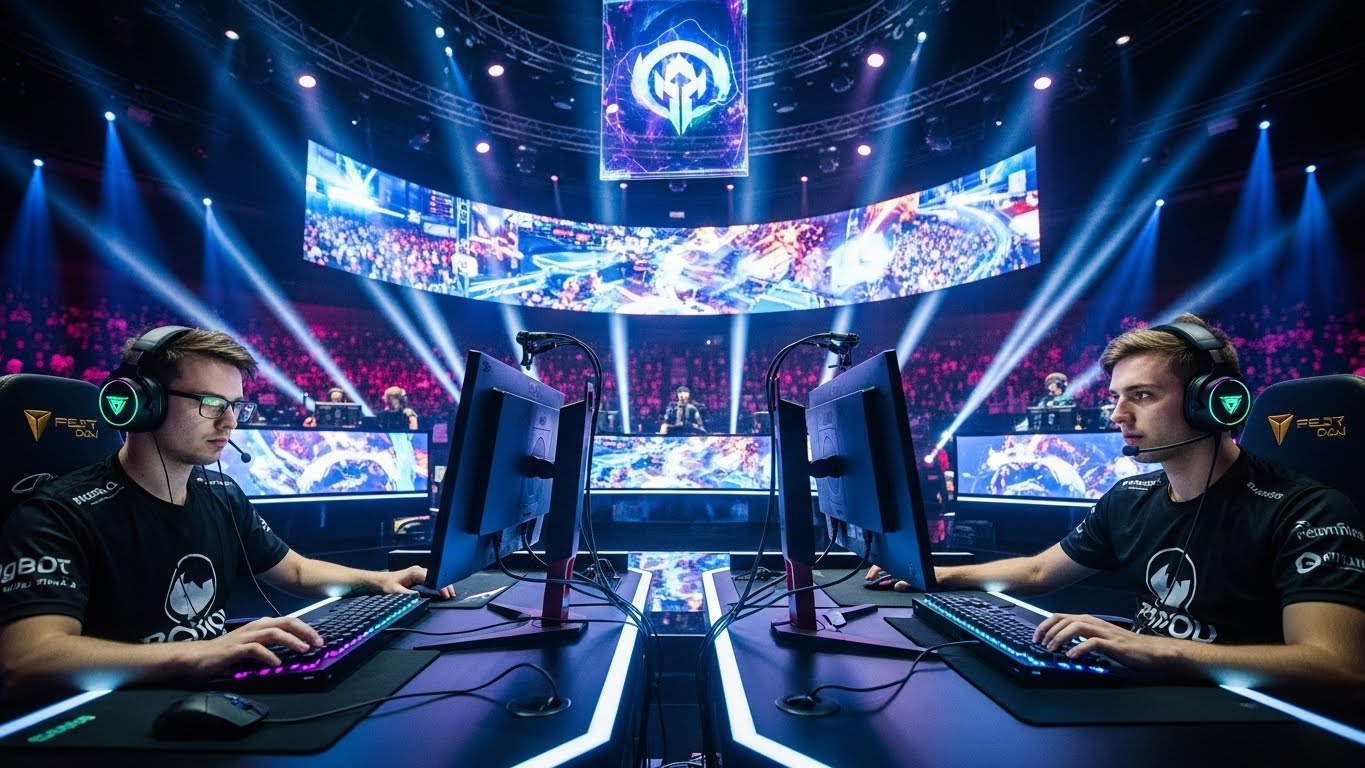
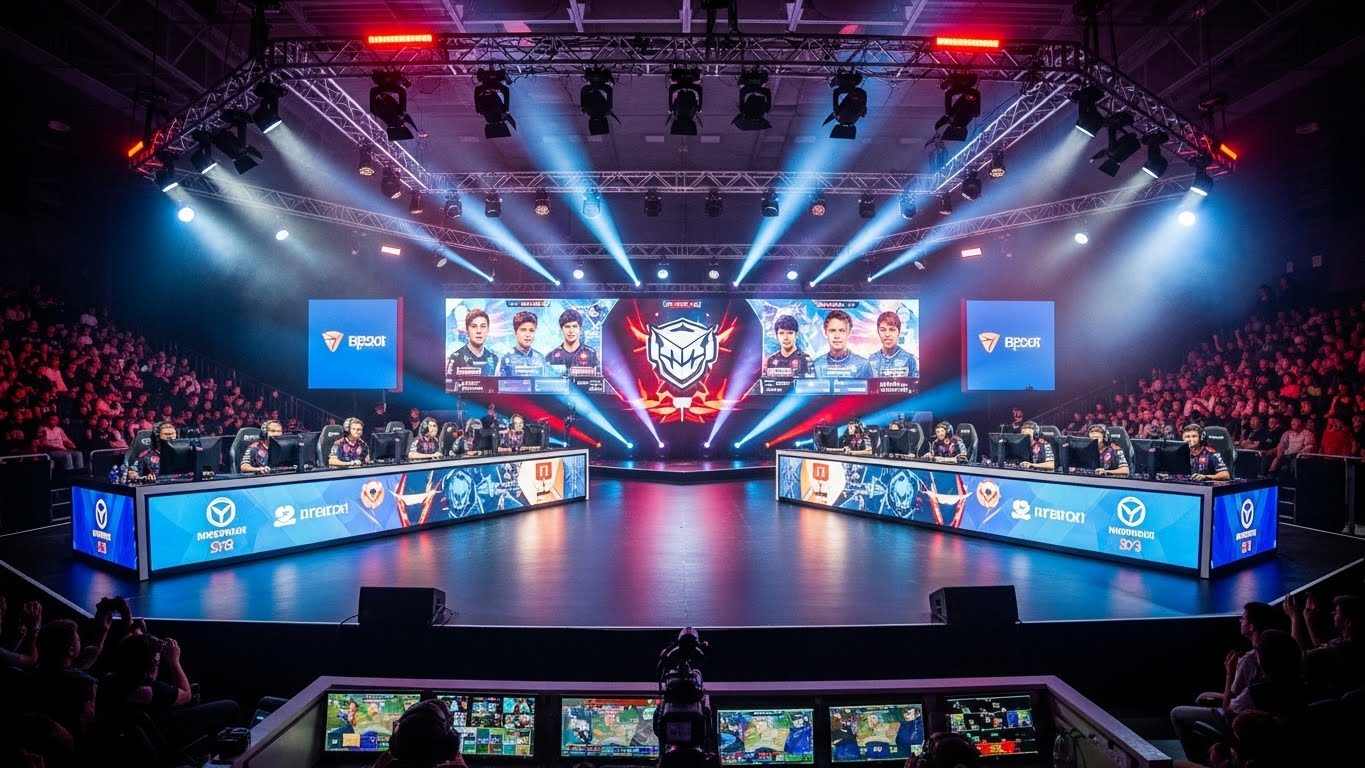
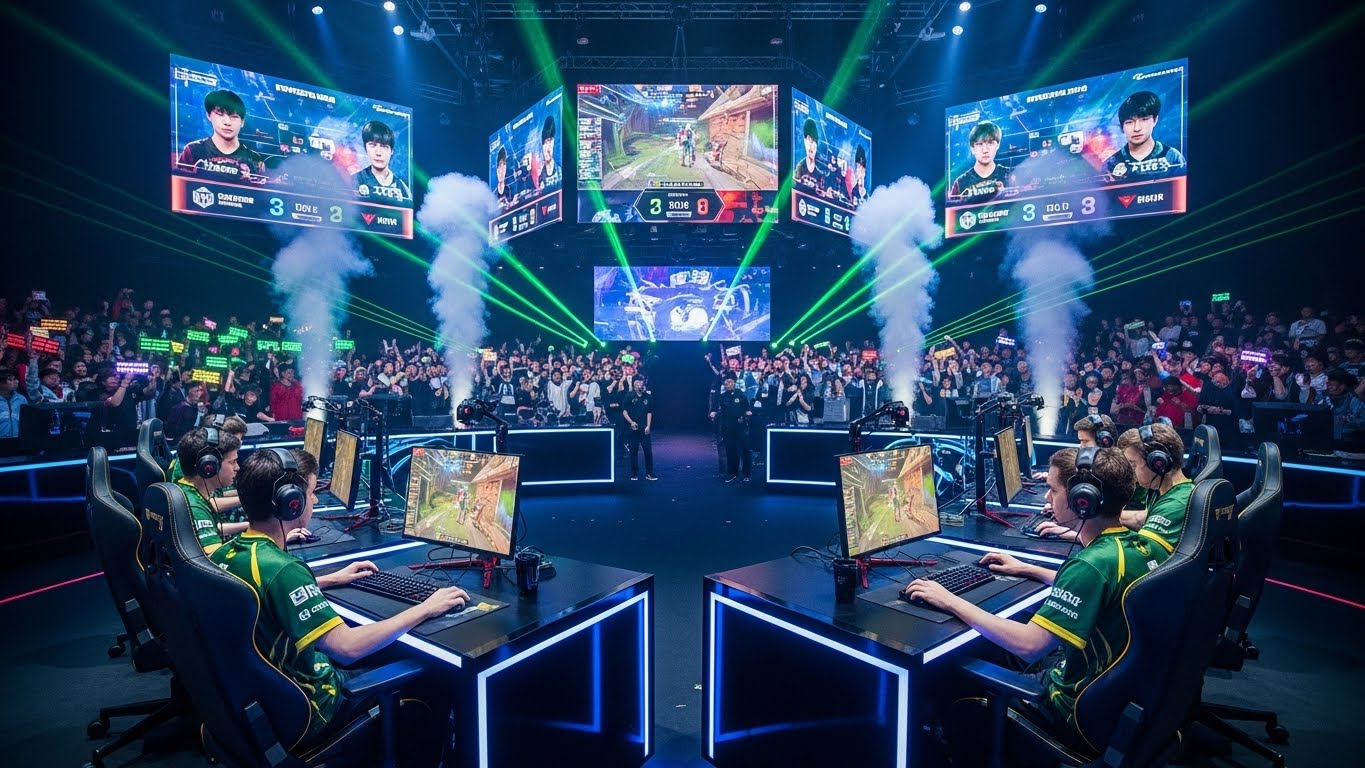
Esports events are now held in massive arenas, with production values rivaling those of professional football or basketball games. Events like The International for Dota 2 or the League of Legends World Championship feature elaborate stage designs, live commentary, and immersive graphics. The spectacle not only entertains but also validates the legitimacy of esports as a professional and serious competitive endeavor.
Popular Esports Titles
The esports ecosystem is diverse, encompassing multiple game genres. Multiplayer Online Battle Arenas (MOBAs) such as League of Legends and Dota 2 are among the most popular, combining strategy, teamwork, and fast-paced action. First-Person Shooters (FPS) like Counter-Strike: Global Offensive and Call of Duty attract audiences who appreciate precision, reflexes, and tactical coordination. Additionally, fighting games, real-time strategy games, and sports simulations contribute to the rich tapestry of esports competitions.
Each game genre has its own unique competitive scene, with professional players specializing in specific titles. The diversity of games ensures that esports appeals to a wide range of interests, from tactical masterminds to high-speed reflex players. This variety has been instrumental in the growth of esports as a mainstream entertainment phenomenon.
The Economics of Esports
The economic impact of esports is staggering. The industry generates revenue from multiple streams, including sponsorships, advertising, media rights, merchandise, and ticket sales. Major corporations recognize the marketing potential of esports and invest heavily in teams and tournaments. Sponsorship deals often rival those seen in traditional sports, reflecting the commercial viability of esports as a platform for brand promotion.
Players can also earn substantial incomes through tournament winnings, streaming, and endorsements. Top-tier professional gamers are known to earn salaries comparable to traditional athletes, and their influence extends beyond the game through social media presence and fan engagement. The financial opportunities in esports are expanding rapidly, making it an attractive career option for skilled players.
Training and Professionalism in Esports
Contrary to the stereotype of casual gamers, professional esports players undergo rigorous training regimens. Success in competitive gaming requires a combination of mechanical skill, strategic understanding, teamwork, and mental resilience. Teams employ coaches, analysts, and psychologists to optimize performance, mirroring the support structures seen in traditional sports.
Professional players often dedicate 8 to 12 hours a day to practice, studying opponents, refining strategies, and maintaining peak performance. Physical fitness is also emphasized, as endurance, reflexes, and mental focus are critical in high-stakes tournaments. This level of professionalism underscores esports as a serious discipline, demanding dedication and skill comparable to any other professional sport.
The Role of Technology
Technology plays a central role in the growth of esports. High-speed internet, advanced gaming hardware, and sophisticated software enable seamless online competition. Streaming platforms, virtual arenas, and real-time analytics enhance both player performance and viewer experience. Innovations such as augmented reality and artificial intelligence are beginning to shape the future of esports, providing immersive experiences and personalized engagement for fans.
Moreover, the accessibility of esports has democratized competitive gaming. Players from around the world can participate in tournaments without the need for physical travel, making esports a truly global phenomenon. Technology not only supports competition but also fosters a sense of community among players and fans alike.
The Global Impact of Esports
Esports has transcended cultural and geographic boundaries, creating a global community united by shared passion. Countries like South Korea, China, and the United States lead in professional leagues and viewership, but emerging regions are quickly establishing themselves on the international stage. Governments are increasingly recognizing esports as an official sport, providing funding, infrastructure, and educational programs to nurture talent.
Esports also has social implications, promoting teamwork, strategic thinking, and digital literacy among participants. Gaming communities often engage in charitable activities, cultural events, and collaborative projects, demonstrating that esports extends beyond competition into meaningful societal contributions.
Challenges Facing Esports
Despite its rapid growth, esports faces several challenges. Player burnout, mental health issues, and the pressure of constant competition are significant concerns. The industry must also navigate legal and ethical issues, including contract disputes, cheating, and the regulation of prize pools. Additionally, ensuring accessibility and inclusivity remains an ongoing challenge, as gaming communities strive to combat toxicity and promote positive engagement.
Sustainable growth will depend on addressing these challenges while maintaining the excitement and authenticity that attract millions of fans worldwide. Balancing commercial interests with player welfare and community integrity is crucial for the long-term success of esports.
The Future of Esports
The future of esports looks promising, with continued innovation, expanding audiences, and increasing legitimacy. Virtual reality, cloud gaming, and artificial intelligence are poised to revolutionize gameplay and spectator experiences. Esports may also see greater integration with traditional sports, education, and entertainment, creating hybrid experiences that appeal to diverse demographics.
As esports continues to mature, it is likely to influence broader societal trends, from career paths to cultural norms. The growing recognition of esports athletes, the professionalization of leagues, and the global connectivity of fans all point to a future where competitive gaming is firmly established as a mainstream cultural force.
Conclusion: Esports as a Cultural Phenomenon
Esports has evolved from humble beginnings into a global phenomenon, blending entertainment, competition, and technology. Its impact is felt across economies, cultures, and communities, redefining what it means to be a professional athlete in the digital era. With growing audiences, professional opportunities, and technological innovation, esports is more than a passing trend—it is a permanent fixture in the landscape of modern sports and entertainment. As players, fans, and investors continue to shape its trajectory, esports is poised to redefine the boundaries of competition and digital engagement for generations to come.