Introduction: The Rise of a Digital Revolution
In the past decade, a new form of competition has emerged that is reshaping the way people perceive sports and entertainment. Esports, or competitive gaming, has grown from niche communities into a global phenomenon that captivates millions of players and fans alike. With professional leagues, international tournaments, and multimillion-dollar prize pools, esports is no longer just a pastime; it is a cultural and economic powerhouse.
Unlike traditional sports, esports transcends physical limitations, enabling anyone with a computer, console, or mobile device to participate. It combines strategy, reflexes, teamwork, and creativity into a fast-paced, high-stakes environment that is accessible to a global audience. This blog explores how esports has evolved, the skills it fosters, its societal impact, and the future trajectory of this rapidly expanding industry.
The Evolution of Esports: From Arcades to Arenas
Esports has a fascinating history that mirrors the growth of technology and gaming culture. It began in the late 20th century with local gaming competitions and arcade tournaments. Early games like Pong, Street Fighter, and StarCraft laid the foundation for competitive gaming communities. Enthusiasts gathered in small venues, testing their skills against each other in high-intensity matches.
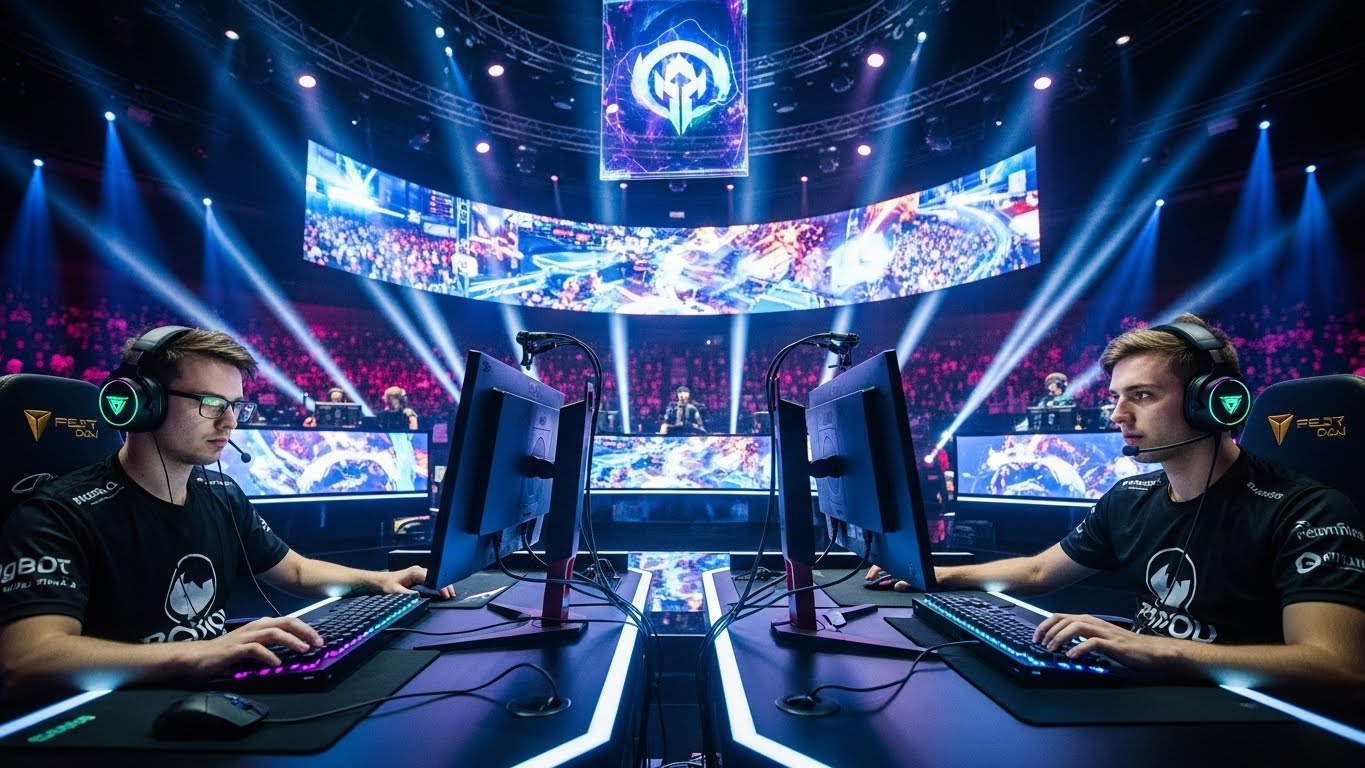
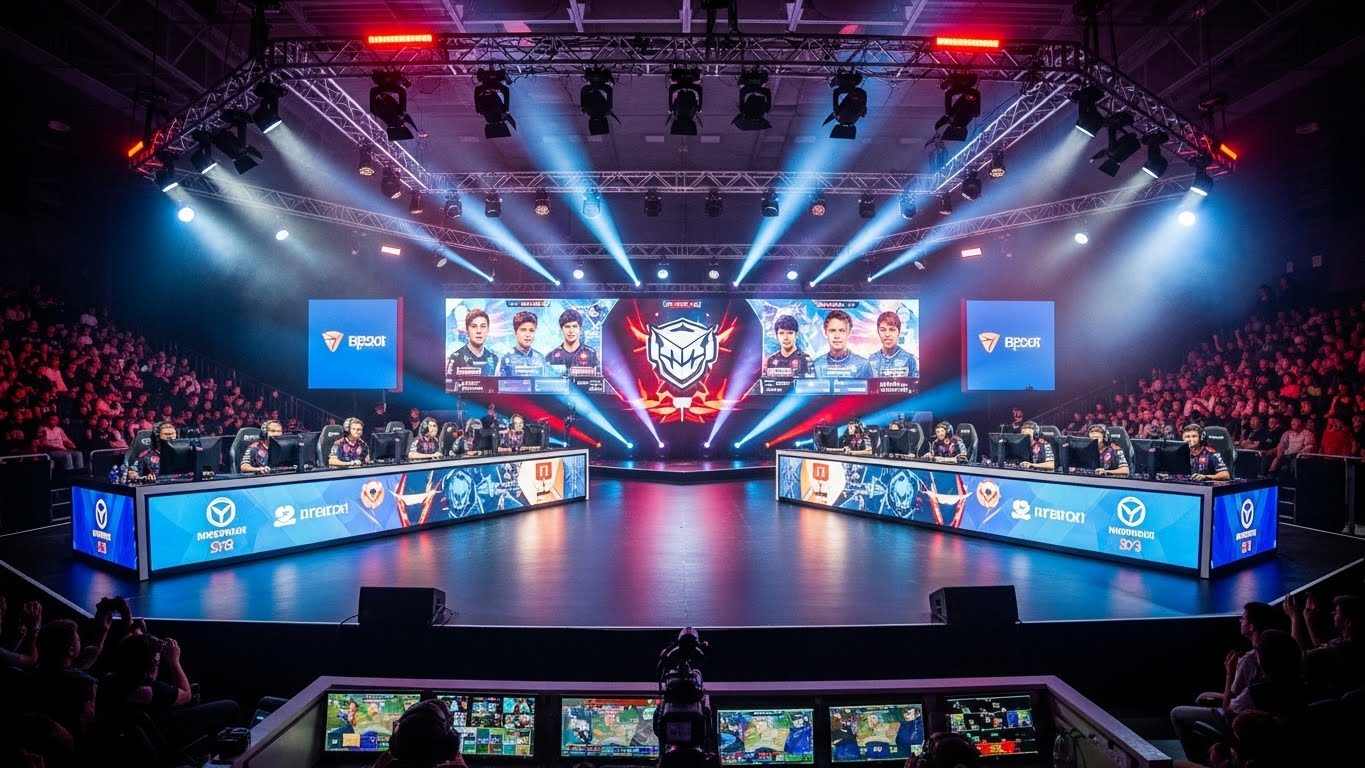
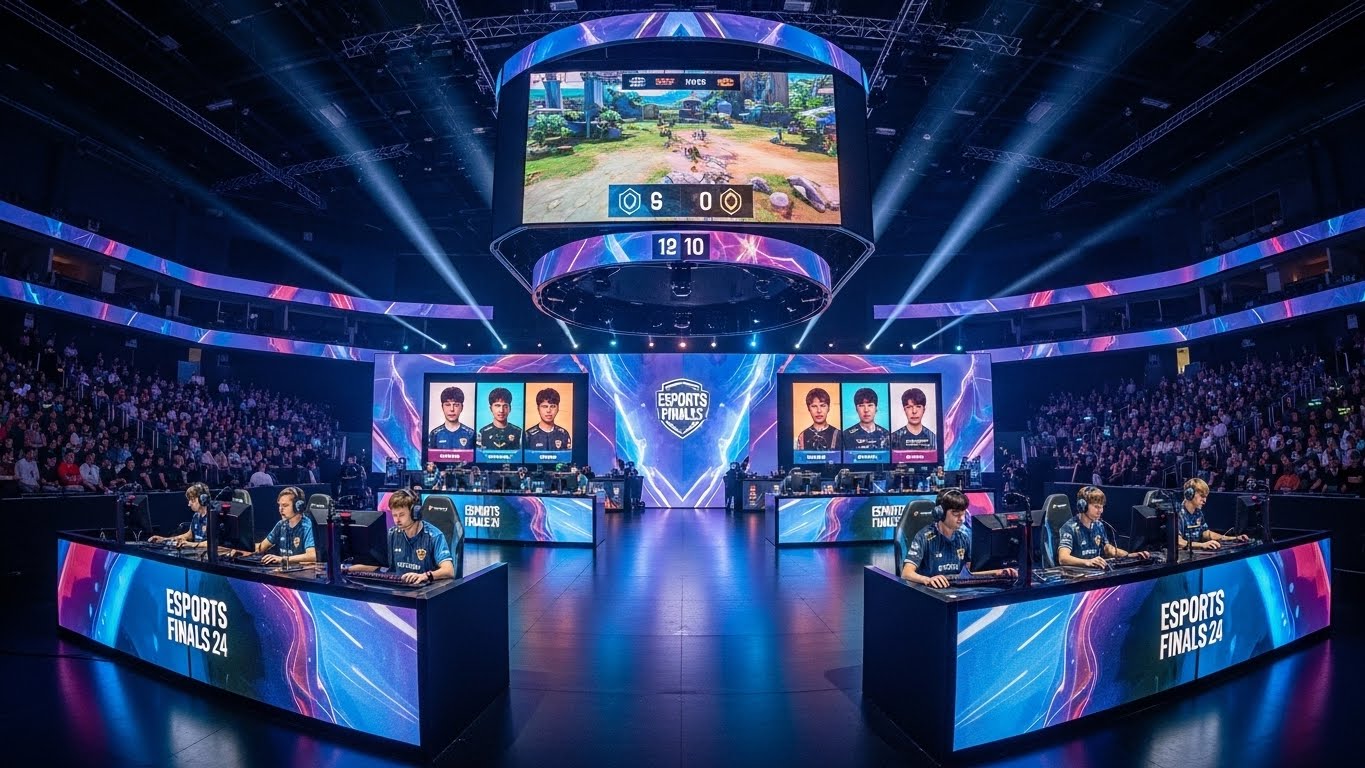
With the rise of the internet, esports experienced exponential growth. Online multiplayer games allowed players from across the world to compete in real time, breaking geographical barriers. The 2000s saw the formation of professional teams and leagues, with titles like Counter-Strike, League of Legends, and Dota 2 leading the charge. Today, esports commands massive arenas, broadcasted events, and sponsorships rivaling traditional sports. The journey from basement tournaments to sold-out stadiums demonstrates the transformative power of digital competition.
Esports as a Professional Career
One of the most striking aspects of esports is the emergence of professional careers. Players, coaches, analysts, and content creators are building sustainable livelihoods in the industry. Professional esports players dedicate countless hours to training, refining strategies, and mastering game mechanics. The discipline required is comparable to that of traditional athletes, with some teams incorporating physical fitness, mental coaching, and nutrition into their routines.
The career opportunities in esports extend beyond playing competitively. Analysts and strategists study opponents, coaches manage team dynamics, and streamers engage audiences through social media and live broadcasts. Sponsorships, brand partnerships, and prize winnings provide financial incentives, while the global exposure elevates players to celebrity status. Esports has become a viable professional path for those passionate about gaming, breaking the stereotype of gaming as a mere hobby.
Skills Developed Through Esports
Esports is more than entertainment; it cultivates valuable skills that translate into personal and professional development.
Strategic Thinking
Most esports games require players to make quick, calculated decisions under pressure. Developing strategies, anticipating opponents’ moves, and adapting to changing situations enhances problem-solving and critical thinking skills.
Teamwork and Communication
Team-based esports titles rely heavily on coordination and collaboration. Players must communicate effectively, share responsibilities, and execute strategies cohesively. These skills are transferable to workplaces and collaborative environments.
Reflexes and Hand-Eye Coordination
Competitive gaming sharpens reflexes, precision, and hand-eye coordination. High-level players can execute complex sequences at speeds unmatched by casual gamers, demonstrating exceptional control and focus.
Resilience and Adaptability
Defeat is an inevitable part of competition. Esports teaches players to handle setbacks, analyze mistakes, and bounce back stronger. This resilience is essential not only in gaming but also in real-life challenges.
The Societal Impact of Esports
Esports is reshaping social interaction, education, and cultural perceptions. It fosters inclusive communities where individuals from diverse backgrounds connect over shared interests. Online platforms allow players to form friendships, participate in global events, and exchange knowledge.
Educational institutions are recognizing the benefits of esports, incorporating programs to develop strategic thinking, digital literacy, and teamwork. Scholarships for esports players are becoming more common, legitimizing competitive gaming as a respected pursuit.
Culturally, esports is challenging traditional notions of sports and competition. Fans celebrate skill, strategy, and innovation in ways similar to traditional sports, while the digital medium allows unprecedented accessibility. This cultural shift emphasizes that competition is not limited to physical prowess but extends to mental agility and creativity.
Esports and Technology: A Symbiotic Relationship
Technology is at the core of esports, driving its growth and evolution. Advances in graphics, processing power, and network connectivity have transformed gaming experiences, enabling large-scale competitions with global participation. Live streaming platforms have revolutionized how audiences consume esports, making it possible to watch matches in real time from anywhere in the world.
Virtual reality and augmented reality are beginning to redefine competitive gameplay, offering immersive experiences that blur the line between physical and digital competition. Additionally, artificial intelligence is used for training, strategy analysis, and performance optimization, providing players with data-driven insights to enhance their skills. Technology ensures that esports remains dynamic, innovative, and constantly evolving.
Women in Esports: Breaking Barriers
While esports has historically been male-dominated, women are increasingly making their mark. Female players, commentators, and content creators are challenging stereotypes and contributing to a more inclusive community. Organizations and leagues are actively promoting diversity, encouraging female participation at all levels.
The success of women in esports demonstrates that skill and strategy are not defined by gender. Their presence enriches the competitive landscape, inspires new generations, and fosters a culture of equality. The growing visibility of women in esports signals a positive shift toward a more balanced and representative industry.
Economic Impact of Esports
Esports is no longer just a cultural phenomenon; it is a significant economic force. Revenue streams include sponsorships, advertising, merchandise, ticket sales, and digital content subscriptions. Major tournaments attract millions of viewers and generate substantial income for teams, organizers, and players.
Brands across industries are investing in esports to reach younger, digitally engaged audiences. Partnerships with tech companies, beverage brands, and apparel lines have created mutually beneficial relationships, further fueling the industry’s growth. This economic influence ensures that esports will continue to expand and innovate for years to come.
Challenges Facing the Esports Industry
Despite its growth, esports faces several challenges. Physical and mental health concerns are prominent, as long hours of practice can lead to fatigue, stress, and repetitive strain injuries. Balancing intense training with well-being is a growing focus for teams and organizations.
Additionally, regulatory and ethical issues such as fair play, cheating, and sponsorship ethics must be addressed to maintain integrity. The global nature of esports introduces legal complexities, including contract enforcement, intellectual property disputes, and international competition regulations. Ensuring a sustainable and fair ecosystem is essential for long-term success.
The Future of Esports
The future of esports promises even greater innovation and expansion. Emerging technologies such as virtual reality, augmented reality, and cloud gaming will transform gameplay and spectator experiences. Competitive leagues will continue to globalize, attracting talent from previously untapped regions and expanding fan bases.
Integration with education and professional development will grow, with esports fostering leadership, strategic thinking, and career readiness. The lines between gaming, entertainment, and sports will continue to blur, creating hybrid experiences that appeal to diverse audiences.
Ultimately, esports is poised to redefine the very concept of competition, combining technology, skill, and culture in ways previously unimaginable. Its potential is limitless, offering opportunities for players, fans, and businesses alike.
Conclusion: Esports as a Cultural Force
Esports has transcended its origins as a niche hobby to become a global cultural and economic phenomenon. It cultivates skills, fosters community, challenges traditional ideas of competition, and offers professional opportunities for millions. The combination of technology, strategy, and entertainment makes esports a unique and dynamic force in the modern world.
As esports continues to grow, it will not only redefine competition but also influence culture, education, and business. It represents a future where digital skill and strategic thinking hold the same prestige as physical prowess, proving that competition, passion, and excellence know no boundaries.