Introduction: The Rise of a Digital Phenomenon
Esports has transformed from a niche pastime into one of the fastest-growing competitive entertainment industries in the world. What began decades ago as small gatherings of passionate gamers has now become a full-fledged global spectacle, attracting millions of viewers, athletes, coaches, analysts, and massive investments. Today, esports stands shoulder to shoulder with traditional sports in terms of influence, commercialization, and cultural relevance. This blog dives deep into how esports reached this point, what makes it unique, and why it continues to grow at an unprecedented pace.
The Seeds of Esports: From Arcades to Arenas
The earliest form of competitive gaming sprouted in the late twentieth century when arcade centers became popular meeting spots for players to test their skills. With games like Space Invaders and Pac-Man, friendly high-score battles became the foundation of competitive gaming culture. As technology progressed and personal computers and consoles became more accessible, competitive gaming took a new turn.
In the 1990s, games such as Doom, StarCraft, and Street Fighter helped establish organized tournaments. These events were small compared to what esports has become today, but they planted the seeds of community, competition, and professional gaming. Over time, online multiplayer capabilities allowed players from different continents to face each other without ever leaving their homes. That connectivity became the catalyst for esports’ explosive global growth.
Esports as a Sport: Beyond Just Playing Games
Some observers used to question whether esports qualifies as a sport. However, a deeper look reveals undeniable parallels. Professional esports athletes undergo rigorous training routines, study game strategies, maintain strict schedules, and often work with coaches, analysts, dietitians, and sports psychologists. Their performance demands quick reflexes, mental discipline, strategic thinking, and teamwork—skills that mirror traditional athletic competition.
Unlike traditional sports, though, esports demands mastery of constantly evolving digital environments. Game updates, patches, and new mechanics keep the competitive landscape dynamic. Esports athletes must adapt quickly or risk falling behind. This challenge of continual learning and rapid evolution is part of what gives esports its unique identity.
Popular Esports Titles and Their Impact
Esports is not defined by a single game but rather a collection of competitive titles, each with its own community, rules, and competitive ecosystem. Some of the most influential games include:
Multiplayer Online Battle Arenas (MOBA)
Games in this genre, such as League of Legends and Dota 2, emphasize team strategy, coordination, and complex decision-making. Their tournaments draw massive audiences, partly because the strategic depth creates limitless possibilities in every match.
First-Person Shooters (FPS)
Titles like Counter-Strike, VALORANT, and Overwatch highlight precision, reflexes, and tactical gameplay. Their fast-paced action and clear objectives make them attractive both to longtime fans and newcomers.
Battle Royale Games
Games such as Fortnite and PUBG introduced a new competitive format focused on survival, adaptability, and unpredictable maps. The battle royale format has appealed to younger audiences and expanded the reach of esports even further.
Sports and Racing Simulations
Games like FIFA, NBA 2K, and racing simulators have created a bridge between digital and traditional sports fans. These titles blur the lines between athleticism and virtual skill, opening esports to broader audiences.
Each genre contributes to the growth of esports by appealing to different groups of players and viewers. This diversity helps ensure the industry’s longevity and resilience.
The Growth of Esports Viewership
Esports viewership has skyrocketed over the past decade. Millions of fans tune in to watch live tournaments, follow their favorite teams, and learn from top players. The accessibility of streaming platforms has played a significant role in this growth. Fans no longer need television broadcasts to enjoy esports; they can watch tournaments anytime, anywhere, and interact live with the gaming community.
This interactive nature sets esports apart from traditional sports broadcasts. Fans can communicate directly with players during personal livestreams, participate in live chats, and become part of the ecosystem in a more intimate way. This closeness strengthens fan loyalty and helps build massive online communities.
Professional Esports Teams and Players
Esports organizations operate much like traditional sports teams. They recruit talent from all over the world, sign sponsorship deals, develop training facilities, and participate in international tournaments. Some teams have become iconic brands recognized far beyond the gaming world.
Players themselves often rise to celebrity status. Top competitors can earn significant income through tournament winnings, sponsorships, and content creation. Many become influencers, using their platforms to build personal brands and connect with fans.
However, professional gaming is not without its challenges. Just as in physical sports, esports careers can be short due to the high mental strain, fast reaction requirements, and constant need for adaptation. This reality has led to more support systems for player wellness and career longevity.
The Business of Esports: A Booming Industry
Esports is now a multibillion-dollar industry supported by a vast financial ecosystem. Revenue streams include sponsorships, advertising, merchandising, media rights, and ticket sales for live events. Major companies from diverse industries invest heavily in esports because they recognize the enormous marketing potential.
Global brands—ranging from technology companies to beverage businesses and sports apparel manufacturers—now sponsor esports teams and tournaments. This influx of capital has helped legitimize the field and expand its reach even further.
Esports has also encouraged growth in related industries such as game development, streaming technology, event management, and performance analytics. As a result, esports has created thousands of jobs worldwide, extending well beyond players alone.
Esports Arenas and Live Events
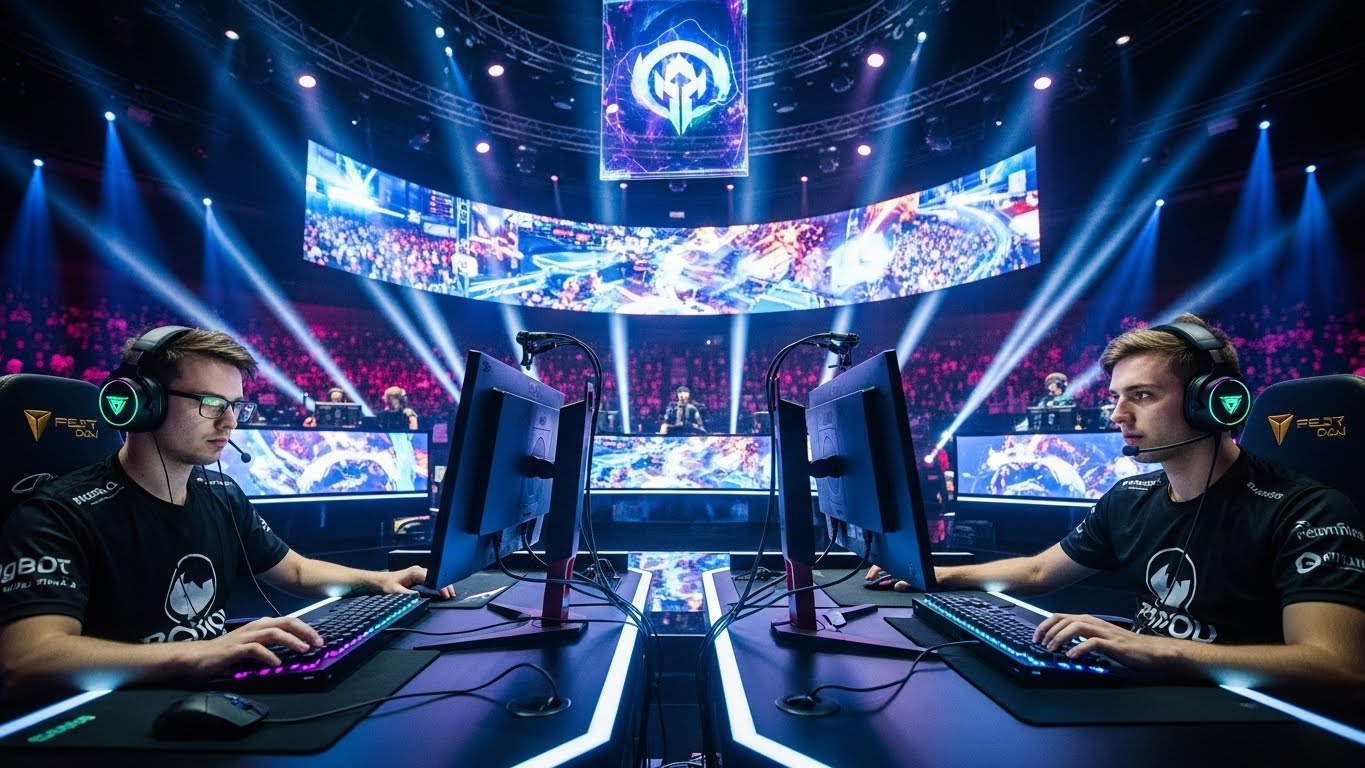
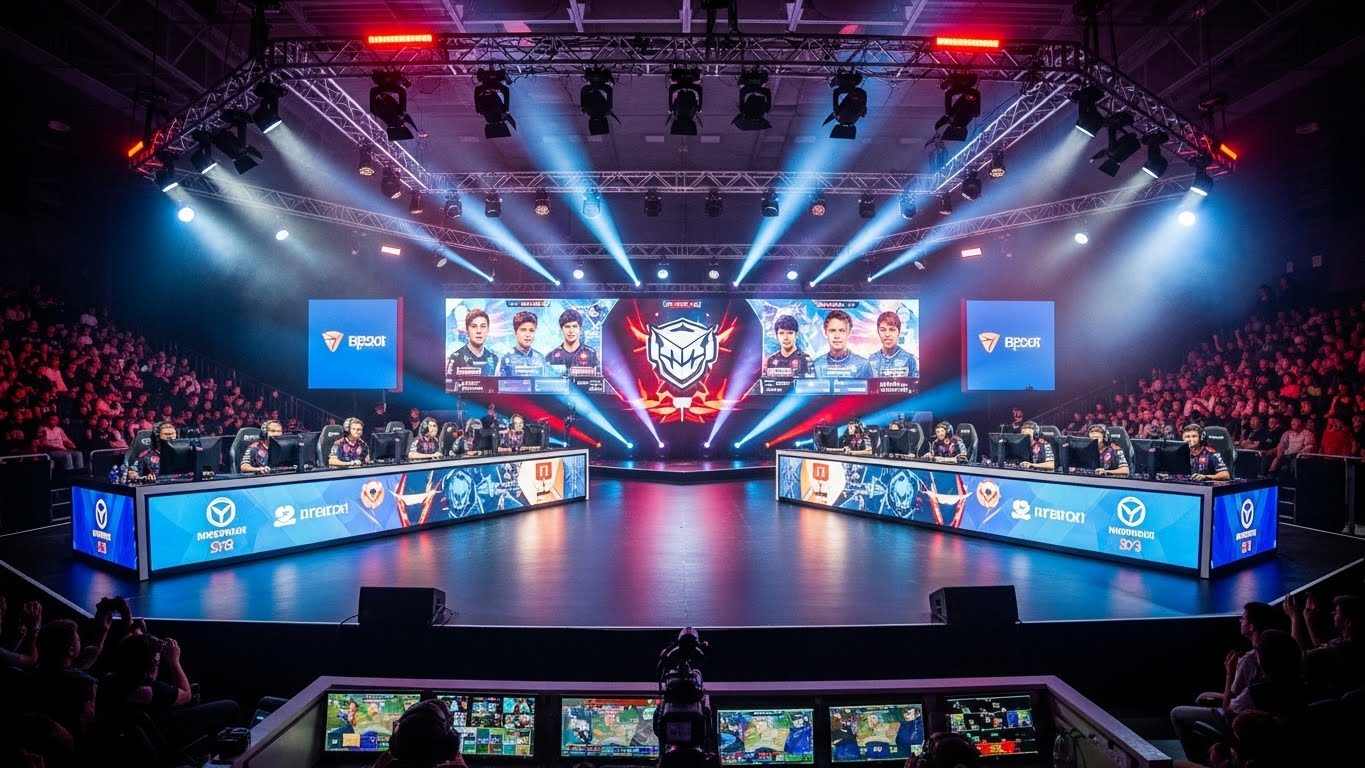
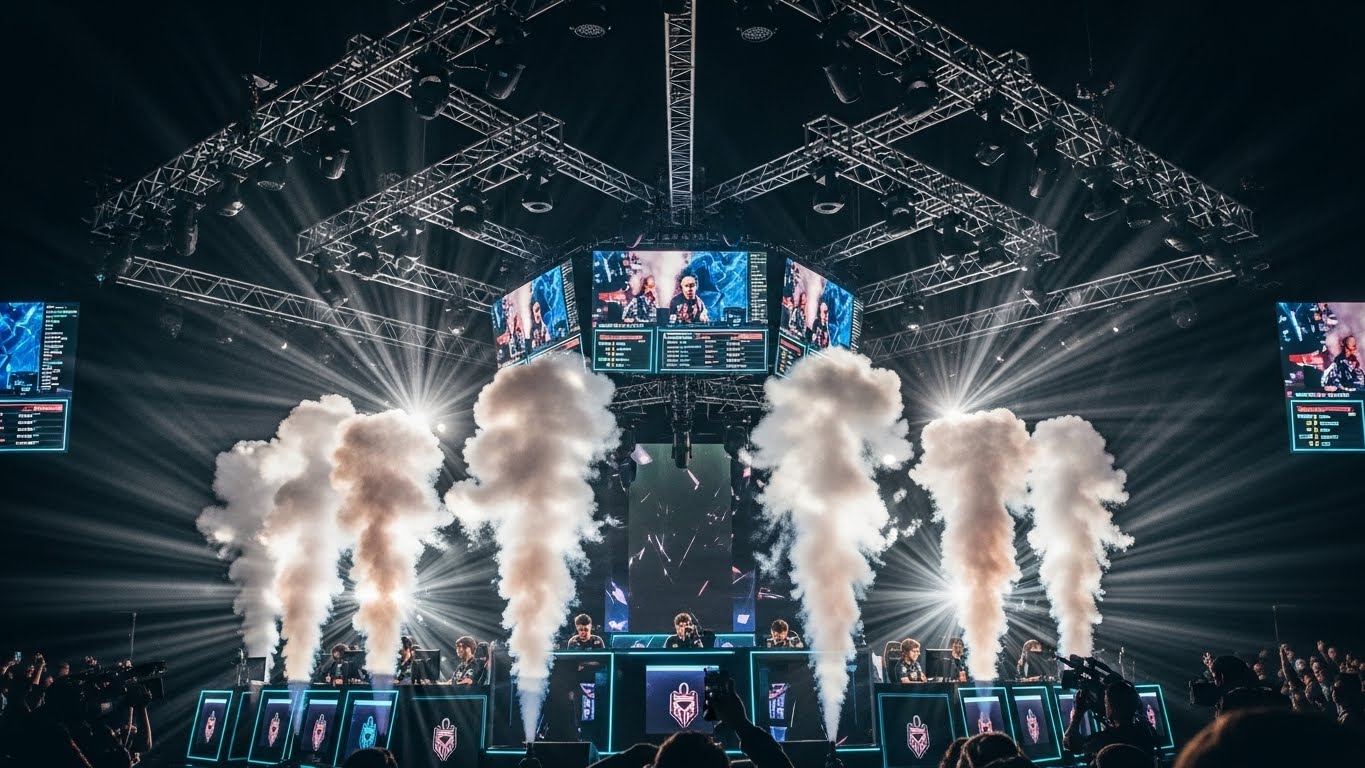
One of the most striking developments in esports is the creation of dedicated arenas designed specifically for gaming competitions. These venues host massive events featuring intense matches, dramatic lighting, and roaring crowds. The energy in an esports arena rivals that of major traditional sports stadiums.
Live events offer fans a unique sense of community. They gather to support their favorite teams, enjoy the immersive environment, and share their passion with others. The excitement of these events has played a significant role in showcasing esports as a legitimate global sport.
Esports in Education: A New Pathway for Students
Schools and universities worldwide now recognize esports as an opportunity to engage students and offer new academic pathways. Many institutions have developed esports clubs, varsity teams, and even scholarship programs for competitive players.
Esports also opens doors for students interested in careers such as game design, broadcasting, marketing, coaching, and event production. Educational programs teach not only gameplay but also teamwork, communication, leadership, and technology literacy—skills valuable in countless industries.
The Cultural Influence of Esports
Esports has become a major cultural force—shaping entertainment, fashion, communication, and technology. Gaming slang and references have entered mainstream conversations. Clothing brands collaborate with esports teams to release exclusive collections. Musicians and celebrities participate in gaming tournaments, further bridging the gap between pop culture and esports.
This cultural impact extends to how people socialize. Gaming platforms act as social hubs where friends meet, talk, and bond over shared experiences. For many, esports offers a sense of belonging and identity within a global community.
The Future of Esports: Innovation and Expansion
The future of esports looks promising as technology continues to evolve. Advancements in virtual reality, artificial intelligence, and internet connectivity will likely create new competitive formats and interactive experiences. Esports may also expand into traditional sports arenas through collaborations, augmented gameplay, and hybrid events.
Additionally, the increasing recognition of esports by global organizations and governments could lead to further integration into major international competitions. The possibility of esports appearing alongside traditional events in global tournaments is becoming more realistic each day.
Conclusion: A New Era of Competition
Esports is far more than digital entertainment—it is a cultural, economic, and social revolution. Its rapid growth showcases the power of technology, creativity, and global connectivity. As more communities embrace esports, the industry continues to reshape how we think about sports, careers, and entertainment.
What started as small gaming meetups has evolved into a worldwide competitive arena where talent, strategy, and passion collide. Esports stands proudly as the new arena of champions, crowned not by physical trophies alone but by the power of pixels, innovation, and a global community united by play.